Product image supplied by the brand
In this guide
Two useful objects share an awkward property: neither works alone. A pegboard is a sheet with slots until the accessories arrive. A portable mouse needs a battery, and sometimes a receiver. In each case the listed price, here in Canadian dollars, is an entry fee, not a total.
Manufacturers are not playing a trick; this is what a modular product looks like from the outside. The useful habit is one arithmetic step before checkout: write down what has to arrive in the same week for the thing to do its job, and add those numbers to the price you were quoted.
The things in this guide
A closer look at the products, who they may suit, and what to check before buying.
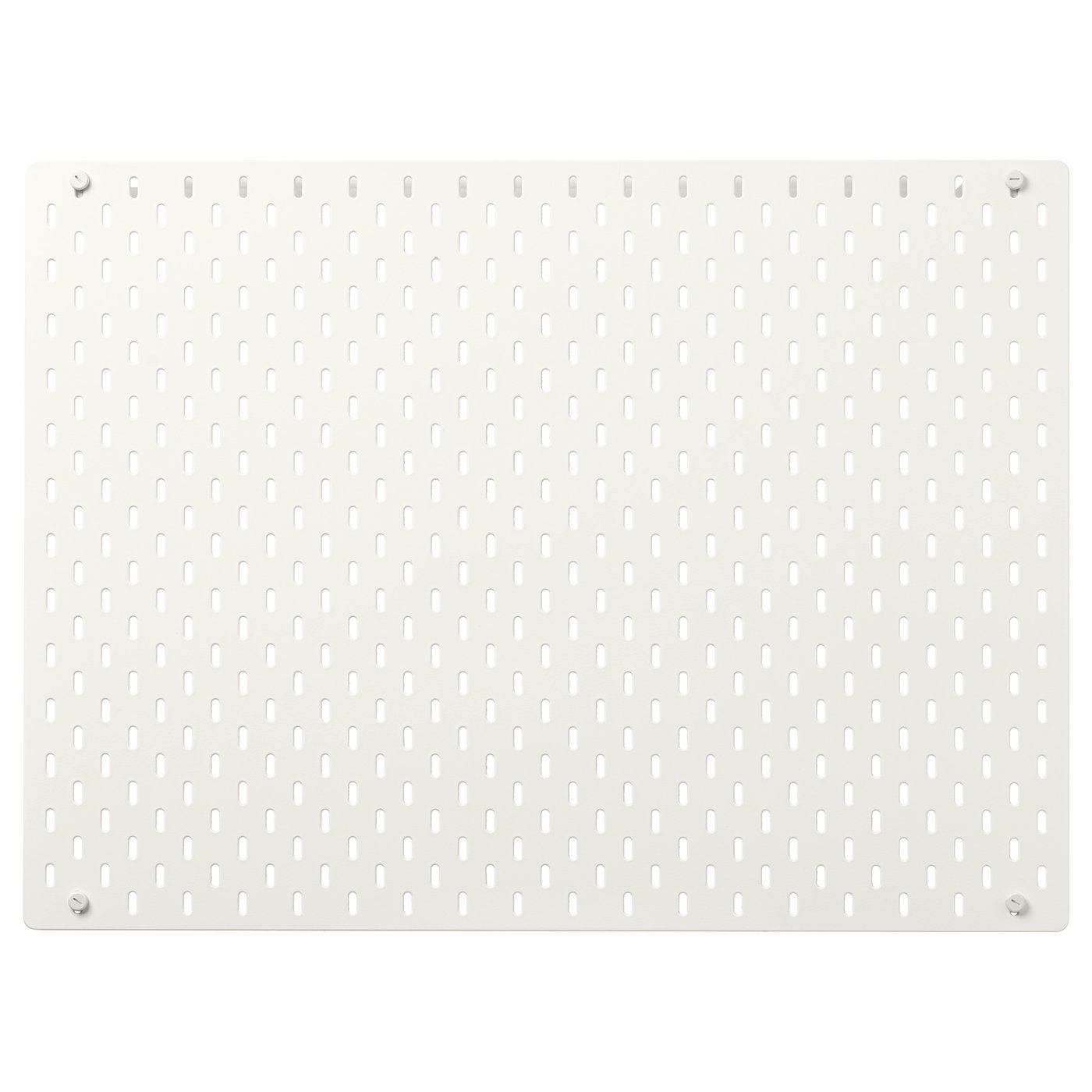
SKÅDIS Pegboard · 30 × 22 in
The $24.99 board is a platform. IKEA Canada includes the wall rail but sells the wall screws separately, and a 3-pack of containers with lids is another $17.00.
Before you buy: Settle the fixings for your wall type before ordering. IKEA's page warns that the board must be securely anchored with suitable screws and plugs for your home.
Price checked October 17, 2026. Retailer prices can change.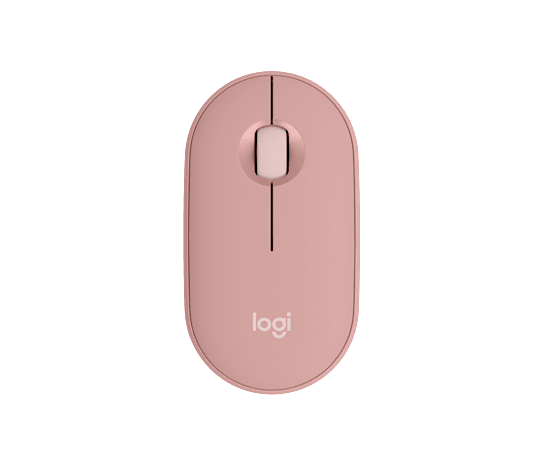
Pebble Mouse 2 M350s
At $24.99 it pairs over Bluetooth with up to three devices and ships with a pre-installed AA battery, so the running cost is small but not zero.
Before you buy: The Logi Bolt receiver is $19.99 extra and is not in the box. A computer that needs the receiver rather than Bluetooth takes the pair to $44.98.
Price checked October 17, 2026. Retailer prices can change.Write the week-one list before you pay
The method is short enough to run at the checkout screen. Ask what has to be present for this object to perform its stated job in the first week, and list only those items. IKEA Canada sells the white SKÅDIS, 76 × 56 cm, at $24.99 with its wall rail, but the wall screws are sold separately, and a 3-pack of containers with lids is another $17.00. A Bluetooth mouse needs a battery in it, and a receiver where a machine cannot pair without one.
What the list deliberately excludes is the wish list. A second set of containers you might want later, a desk mat, a laptop stand: those are future decisions and they distort the comparison you are making now. Keeping the list to week one keeps the number honest, and an honest number is the only kind worth setting against an alternative product.
Platforms and tools fail differently
It helps to sort a candidate purchase into one of two shapes. A platform is designed to be extended: a pegboard, a rail system, a charger with ports you will fill later. Its price is deliberately the floor, and its accessory range is the business model. A tool is designed to be complete: a peeler, a hanger, a spatula. Its price sits close to the total, and the only ongoing cost is replacing it.
The failure modes follow from the shape. A platform disappoints by arriving incomplete and quietly asking for more money each month. A tool disappoints by being the wrong size, which you discover immediately and can usually return. The Pebble mouse sits between the two: Bluetooth makes it a tool, and the $19.99 Logi Bolt receiver is the platform half that only some computers need. Knowing which shape is in your basket tells you whether to budget once or to budget with a margin.
Consumables set the price you actually live with
Batteries, filters, bags, cartridges and pads behave differently from accessories, because they never stop. Not every one of them is worth worrying about. The Pebble ships with one AA alkaline battery installed, and Logitech quotes 24 months of life, which varies with how you use it. At that pace the battery is a footnote, not a line in the budget.
Do the arithmetic at whatever cadence matches your use. A daily coffee, a weekly clean, a monthly replacement: multiply, then set the annual figure against alternatives that front-load their cost instead. Sometimes the expensive object with no consumables is the cheaper choice; sometimes the consumable is trivial and the worry was misplaced. Know which case you are in before the first reorder, not after the third.
A larger total is not automatically a worse buy
None of this argues for buying the cheapest complete thing. Modularity is what lets a wall system grow with the room and a charger serve the next phone. Counting the second purchase is about comparing like with like, not about disqualifying anything that has accessories.
A useful test at the end: if the full week-one number had been printed on the product page from the start, would you still be at this checkout? If yes, buy it and stop worrying about the itemization. If the answer changes, you have avoided the specific disappointment where a product technically works and still feels like a mistake.
The four lines to write down
Keep it to four lines: the listed price, the fixings or connections required, the starter accessories without which it cannot be used, and the yearly consumable cost. Four numbers, added once. Most purchases pass this check comfortably, which is exactly why it is quick to run.
The ones that fail tend to fail loudly. A $24.99 board that needs $17.00 of containers and screws for your wall, a $24.99 mouse that becomes $44.98 once a receiver is needed. Both are fine purchases with the full number in view, and avoidable regrets without it.
How we put this together
Built from the product pages and listings below, without test scores or results we have not measured. Specifications and prices change, so check the original page for the exact model, current price, delivery, and returns.
- IKEA Canada: SKÅDIS pegboard, white, 76x56 cm (opens in a new tab)
- Logitech Canada: Pebble Mouse 2 M350s product page (opens in a new tab)
- Logitech Canada: Logi Bolt USB Receiver (opens in a new tab)