Product image supplied by the brand
In this guide
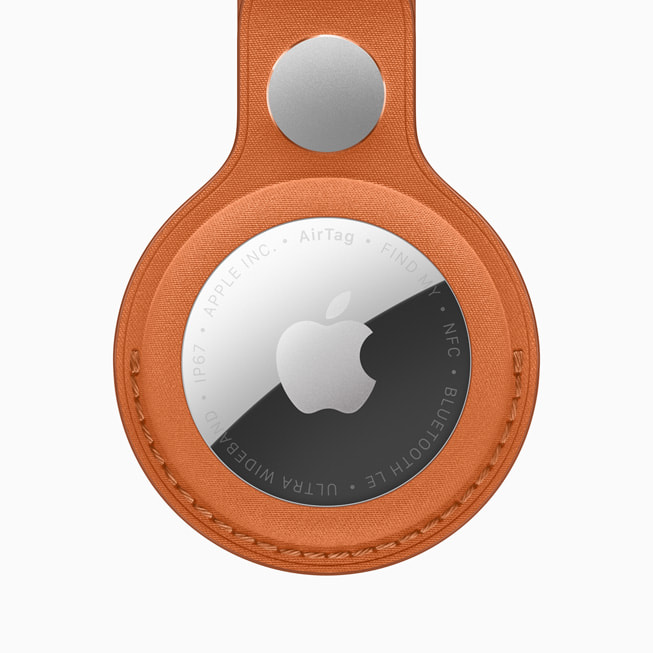
AirTag is the tracker Apple built around its own Find My network: a coin-shaped disc with Bluetooth, an Ultra Wideband chip, NFC and a speaker. Apple Canada sells it singly at $39 or as this four-pack at $129, both in Canadian dollars before GST/HST or provincial tax. The second generation arrived in January 2026 with a speaker Apple rates 50% louder and a Precision Finding range up to 1.5 times the original, in a body the same size as the 2021 model.
The four-pack is the version most households end up wanting, because the use cases arrive in clusters: two suitcases, the car keys, a bike. The saving over four singles is $27, and the more important number is zero, which is what Apple charges per month to run the network. What the pack cannot do is work without an iPhone or iPad, and that constraint decides the purchase before any spec does.
Our verdict
For a home that already runs on iPhones, buy the four-pack: second-generation tags at $129, no subscription behind Find My, and a coin cell any drugstore sells. Skip it if the finding phone runs Android.
- A good fit for
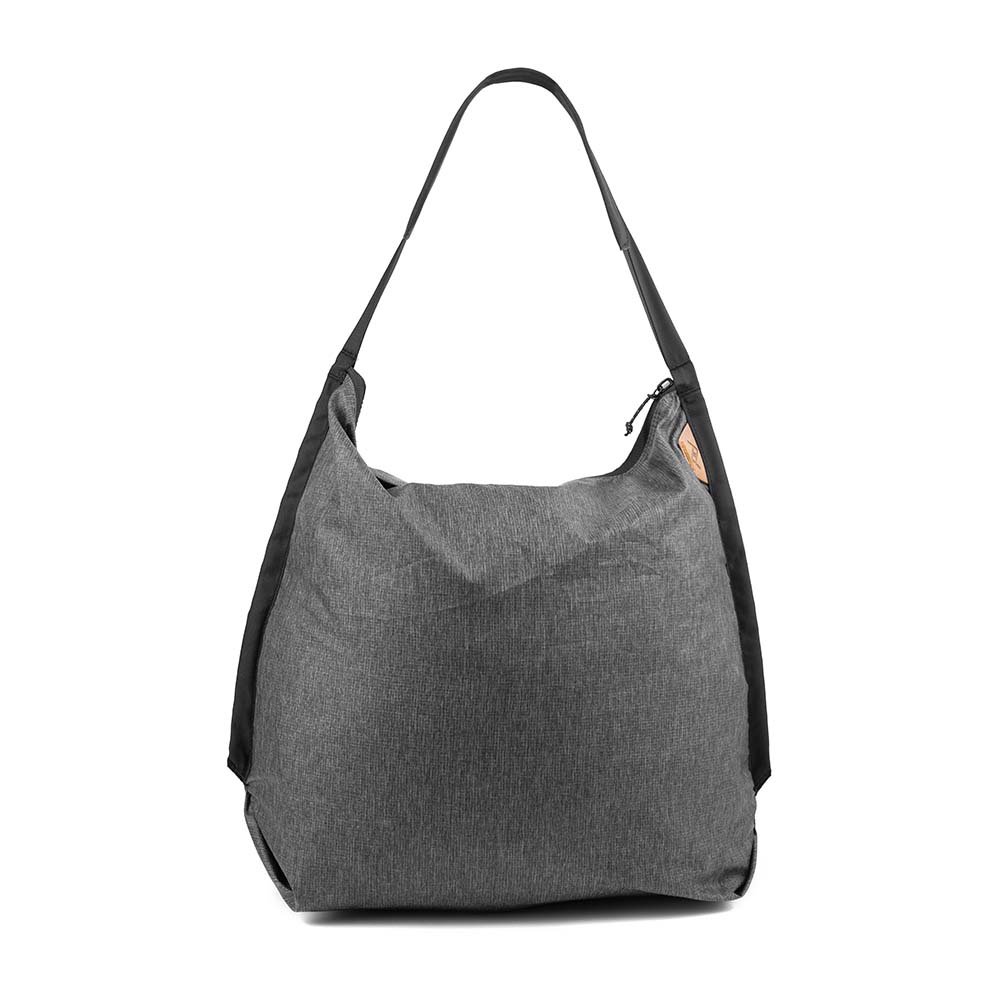
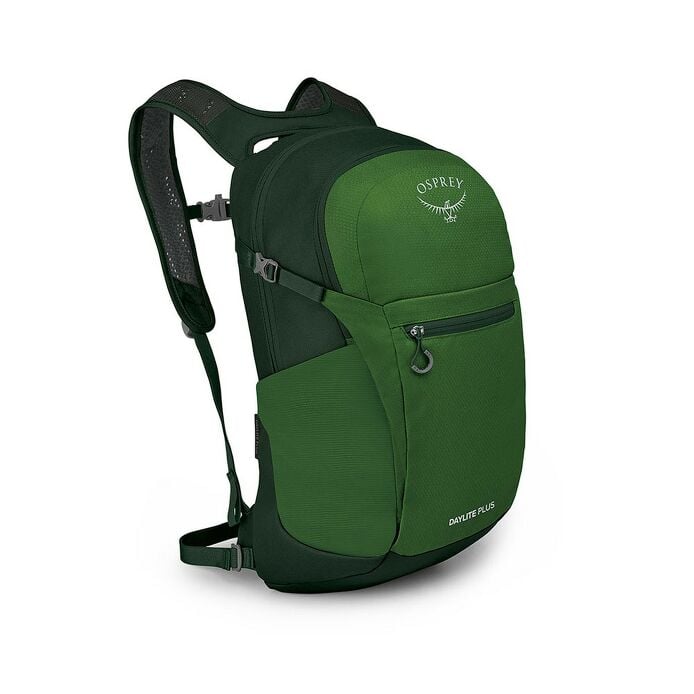
- A family on iPhones that wants to tag two suitcases, a set of car keys and a backpack, and would like the tags shared so more than one person can find them.
- We would skip it if
- Your phone runs Android, you need to track a person or a pet, or you only ever lose one thing and a $39 single covers it.
Reasons to consider it
- Four tags at $129 against $39 each singly, with free engraving on apple.com and in the Apple Store app
- No subscription: the Find My app, the network and Lost Mode are part of the Apple Account you already have
- CR2032 coin cell rated for more than a year, replaced by pressing down and twisting off the steel cover
The compromises
- Setup and finding require an iPhone on iOS 26 or an iPad on iPadOS 26; a phone running Android only receives unwanted-tracking alerts
- The longer Precision Finding range needs an iPhone Air or an iPhone 15 or later, and Apple excludes the iPhone 16e and 17e
- No hole or loop on the tag, so each one needs a holder, and Apple's FineWoven Key Ring is $49 on its own
What we have not verified: Cell life, speaker loudness and finding range rest on Apple's own lab figures with no outside measurement to check them against, so the numbers you get could land lower.
The things in this guide
A closer look at the products, who they may suit, and what to check before buying.
AirTag (2nd generation) 4 Pack
Four second-generation tags for $129, IP67 bodies, a user-replaceable CR2032 rated past a year, Precision Finding with a recent iPhone, sharing with up to five people and a Find My network that costs nothing to use.
Before you buy: Every tag needs a holder, the full finding range needs an iPhone Air or an iPhone 15 or later, and there is no Android setup path at all.
Price checked October 17, 2026. Retailer prices can change.Three ways to find a tag, and the network that costs nothing
An AirTag has three finding modes and they cover different distances. Up close, the Items tab in Find My plays a sound through the built-in speaker, which Apple rates as 50% louder on the second generation so it can be heard from up to twice as far.
In the same room or the same car, Precision Finding uses the Ultra Wideband chip to show distance and an arrow, and with an iPhone Air or an iPhone 15 or later Apple lists a range up to 1.5 times the original tag's; the iPhone 16e and 17e are excluded. An Apple Watch Series 9 or Ultra 2 or newer on watchOS 26.2.1 can do the same on the wrist.
Everywhere else, the Find My network takes over. The tag broadcasts a secure Bluetooth signal, any of what Apple describes as more than a billion iPhones, iPads and Macs that pass by relays its position to iCloud, and the owner sees a map pin. Apple stores no location history on the tag, encrypts the relay so it cannot see the location itself, and charges no fee for any of this. Lost Mode adds a notification when the tag is next seen and lets a finder tap it with an NFC phone to get your contact details, and a lost item's location can be shared with more than 50 airlines for up to seven days.
Setup needs an iPhone or iPad, and Android gets alerts only
Apple's setup is a one-tap pairing sheet that appears when a new tag is held near an iPhone; you name it, attach it and you are done. The requirements behind that sentence are strict: an iPhone on iOS 26 or an iPad on iPadOS 26, signed into an Apple Account. The shop page says 26.0 or later, while the spec table lists iOS 26.2.1 and iPadOS 26.1, so update first. No Android app is mentioned for pairing, so a household where the phone that will do the searching is not an iPhone has no way to use this pack.
Android phones are in the picture only on the safety side. If someone else's AirTag travels with an Android user, that phone can raise an unwanted-tracking alert, and after a while the tag itself starts chirping. Apple's instruction page puts the limit plainly: a Find My network accessory "should not be used to track people, and should not be used to track property that does not belong to you". Within an iPhone household the reach is wider: a tag can be shared with up to five people, so the family car keys or the shared umbrella show up in everyone's Items tab and anyone can ping them.
A CR2032 you swap yourself, in an IP67 disc with no loop
The battery is the ordinary CR2032 3 V lithium coin cell, installed in the box and rated by Apple for more than a year. When it runs low, an iPhone notification appears and Find My puts a Low Battery line under the tag's name. Replacement is a press down and a counterclockwise turn of the polished steel cover until it stops, a fresh cell dropped in positive side up, and the cover turned back until its three tabs line up with three slots. Apple adds one caution: some bitterant-coated cells, sold to deter children from swallowing them, might not work with AirTag, so look for packaging marked compatible with it.
The disc measures 31.9 mm across, 8.0 mm thick, and weighs 11.8 g, with an IP67 rating for 1 metre of water for 30 minutes. There is no keyring hole, which is the design's one recurring annoyance: every tag needs a loop, a sleeve or a pocket, and Apple's FineWoven Key Ring costs $49 per tag, more than the $39 single it holds. Apple sells third-party cases from $19.95 on the same page. The enclosure is 85% recycled plastic.
$27 saved over singles, one year of coverage, 15 days to change your mind
Apple Canada lists $39 for one AirTag and $129 for four, so the four-pack saves $27 against buying singly. The shop page carries both figures next to the free engraving of initials or an emoji, which Apple limits to apple.com and the Apple Store app. A holder is the real extra: four FineWoven Key Rings at $49 would add $196, which is why the cheaper cases on the accessories page matter more here than they would at a lower tag price.
AirTag falls under Apple's one-year accessory warranty, which runs from the original retail purchase and lets Apple choose between repair, exchange for the same model or a refund; normal battery depletion is excluded, which for a device with a user-replaceable cell is unlikely to matter. Apple's Canadian sales policy allows an exchange or refund for an undamaged product returned with its accessories, packaging and receipt within 15 days of receiving it, and refunds a price drop within 15 calendar days, excluding limited-time reductions such as Black Friday and Cyber Monday.
Skip it if the finding phone runs Android
The hard stop is the platform. If the phone that will hunt for the keys is an Android device, the four-pack is $129 of discs that cannot be paired, and the only thing they will ever do on that phone is warn its owner that someone else's tag is nearby. An iPad on iPadOS 26 can set them up, but nobody wants to carry a tablet through a parking garage, so treat this as an iPhone accessory and choose a tracker built for Android's network otherwise.
Pass on the pack, too, if the job is tracking a person; Apple states that Find My accessories should not be used for that, and its alerts are designed to defeat it. And if you lose one thing and one thing only, a $39 single is the honest buy. The pack only earns its price when at least four objects deserve a tag and a holder each, which for most people means the luggage, the keys and whatever they leave in cafes.
How we put this together
Built from the product pages and listings below, without test scores or results we have not measured. Specifications and prices change, so check the original page for the exact model, current price, delivery, and returns.
- Apple Canada: AirTag overview and tech specs (opens in a new tab)
- Apple Canada Store: Buy AirTag (opens in a new tab)
- Apple Canada Store: AirTag and accessories (opens in a new tab)
- Apple Support (Canada): How to replace the battery in your AirTag (opens in a new tab)
- Apple Canada: Accessory Warranty, English (opens in a new tab)
- Apple Canada: Canada Sales and Refund Policy (opens in a new tab)
- Apple Support (Canada): What to do if you get an alert that an AirTag is with you (opens in a new tab)