Product image supplied by the brand
In this guide
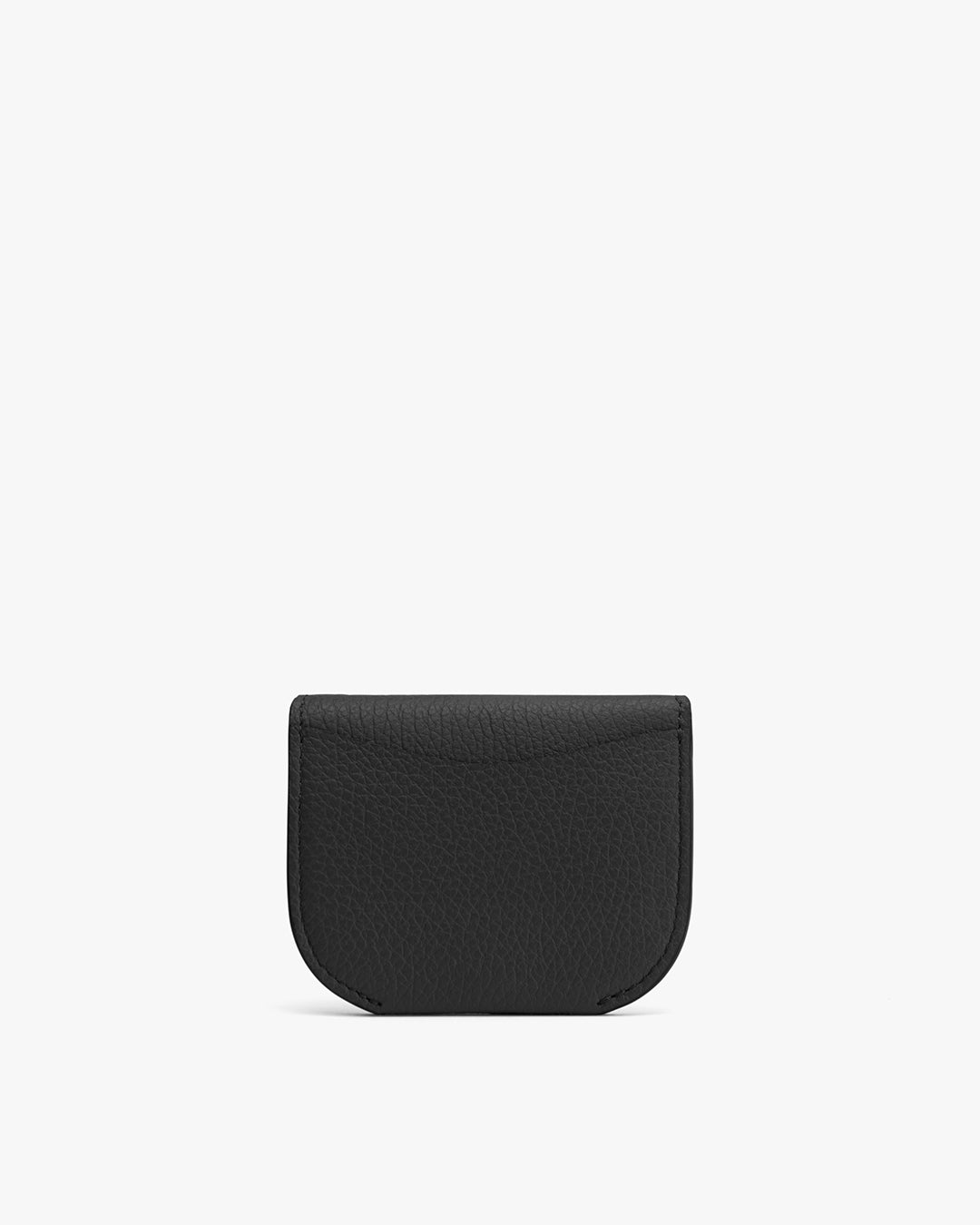
A cardholder is a wallet with a decision already made: most of what people used to carry has been moved somewhere else. The Cuyana Fold Cardholder, listed at $78, makes that decision explicit — two external slots, two inside, a snap closure, and Italian pebbled leather in a piece that folds to three by three and three-quarters inches.
The price is fair for the materials and the design, and sensible only for a carry that already fits inside it. Whether the object is well made is the easy question. Whether four slots match your actual Tuesday is the one that decides it.
Our verdict
A well-specified cardholder worth $78 for someone who has already slimmed their daily carry; an expensive compromise for anyone still carrying a full wallet’s contents.
- A good fit for
- A person who pays by card or phone, carries a handful of cards, and wants one leather object that does that job for years.
- We would skip it if
- You carry coins, more than four cards regularly, or receipts and notes that need a bill compartment with room.
Reasons to consider it
- Italian pebbled leather with a two-year warranty
- A snap closure that keeps folded bills contained
- A 2-ounce, half-inch profile that suits a front pocket
The compromises
- Four slots is a hard capacity ceiling, not a suggestion
- Folded bills are carried rather than organized
- Pebbled leather needs basic care and can show wear at the snap
What we have not verified: The cardholder was not carried here, the aging of the leather and snap was not assessed, and the stitching was not compared against cheaper alternatives.
The things in this guide
A closer look at the products, who they may suit, and what to check before buying.
Fold Cardholder
Pebbled leather, a two-year warranty, and a genuine front-pocket profile for a card-first daily carry.
Before you buy: Four slots and folded bills are the whole capacity. Wipe-clean care only, and the aging of the snap and leather is unverified here.
Price checked September 11, 2026. Retailer prices can change.Count your cards before you shop
The specification is small enough to repeat in full: two external card slots, two card slots inside, a snap closure, and a folded depth of half an inch at about 2 ounces. Cuyana describes bills as folded inside — carried, in other words, not organized into a bill compartment.
The practical test costs nothing. Empty your current wallet on a table and sort what you actually used this month. If the answer is four cards or fewer plus occasional folded cash, this format works. If a transit card, two IDs, insurance cards, and a stash of receipts all come along, the cardholder does not solve the problem — it relocates it to your other pockets.
Pebbled leather is forgiving, not maintenance-free
Cuyana lists Italian pebbled leather, made in Turkey, with a wipe-clean care routine and a two-year warranty covering small leather goods. Pebbling is a practical choice for daily handling: texture hides light scuffs that would mark smooth leather.
The parts that age first are the moving ones — the snap and the fold line — and we have not evaluated either over time. Monogramming is available and adds a few days to fulfillment, with monogrammed items subject to the standard return exclusions. Treat the personalization as a commitment, not a free flourish.
What the price buys, and what it does not
Seventy-eight dollars for four slots invites the obvious comparison: simple leather cardholders exist for a fraction of the price. The defensible difference is specification — leather source, a considered snap, warranty term, and repair-minded construction — rather than any claim of exclusivity. Whether that difference is worth it depends on how long you expect to use it.
Our rule of thumb: if a cardholder is replaced every couple of years when it frays, buy cheaper ones. If the intention is a single object kept for many years and redeveloping a patina, the materials justify the price. The middle case — buying the nice one and treating it as disposable — is where the money is wasted.
Keep the wallet if the wallet is working
The clearest skip is functional: coins, notes, many cards, or anything that needs compartments. A cardholder cannot hold coins at all, and folded bills under a snap are a compromise, not a system. People who carry cash regularly will find this format annoying within a week.
The subtler skip is aspirational. Buying a minimal cardholder does not create a minimal carry; it creates an overstuffed cardholder and a pile of cards left at home. Slim the carry first — the phone wallet, the cards you actually use — and let the object follow the habit rather than attempt to cause it.
How we put this together
Built from the product pages and listings below, without test scores or results we have not measured. Specifications and prices change, so check the original page for the exact model, current price, delivery, and returns.
About our shopping links