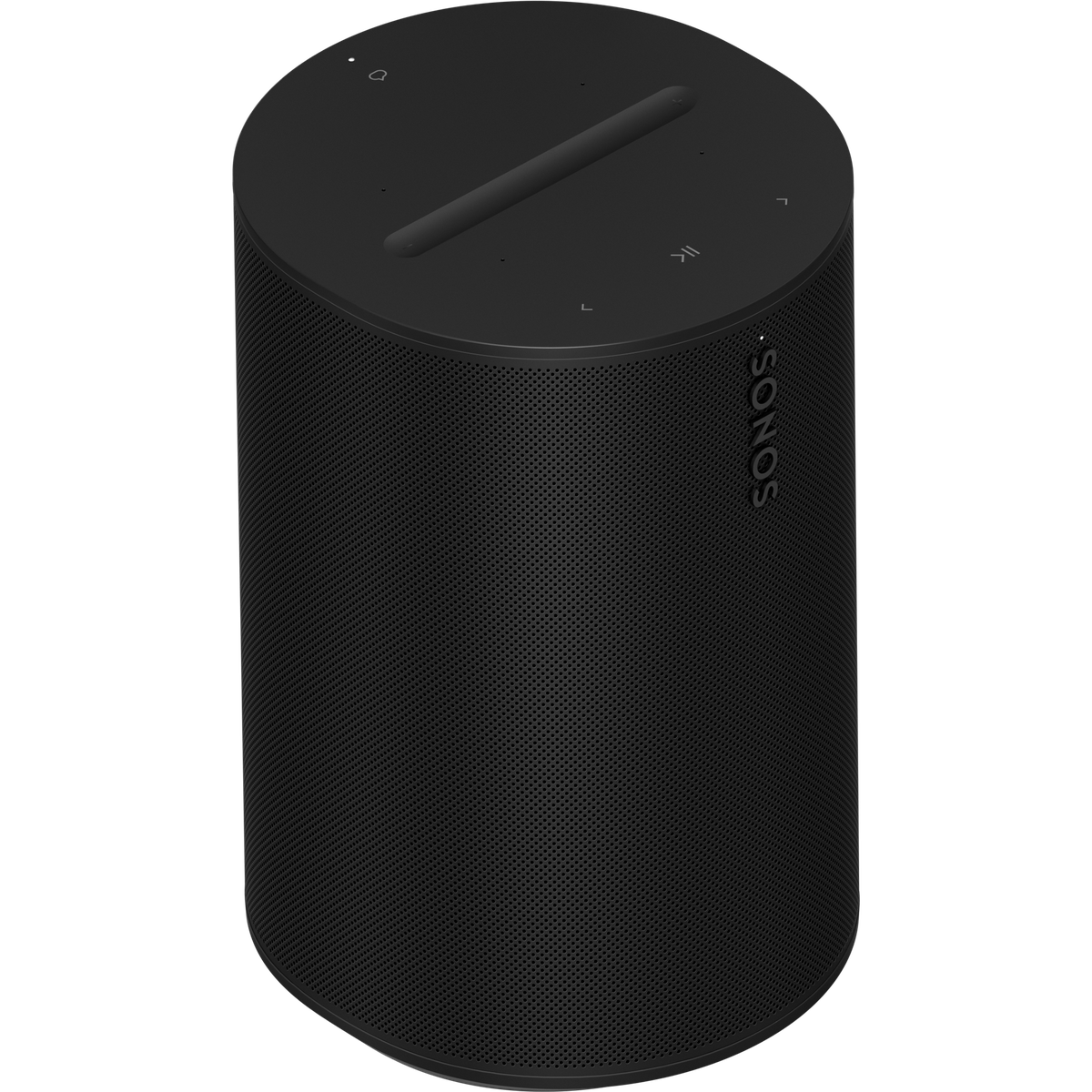
Sonos Era 100 Review: The $219 Entry Point to a Sonos System
A $219 Wi-Fi speaker for one fixed room, with a $19 wired-input adapter and a required Sonos account before it plays anything. Skip it if a phone over Bluetooth is the whole plan.
Our guides help you make considered choices. We may earn a commission when you buy through our links. Learn more
Useful technology that earns its place in your day, with the details that matter before you buy.

A $219 Wi-Fi speaker for one fixed room, with a $19 wired-input adapter and a required Sonos account before it plays anything. Skip it if a phone over Bluetooth is the whole plan.

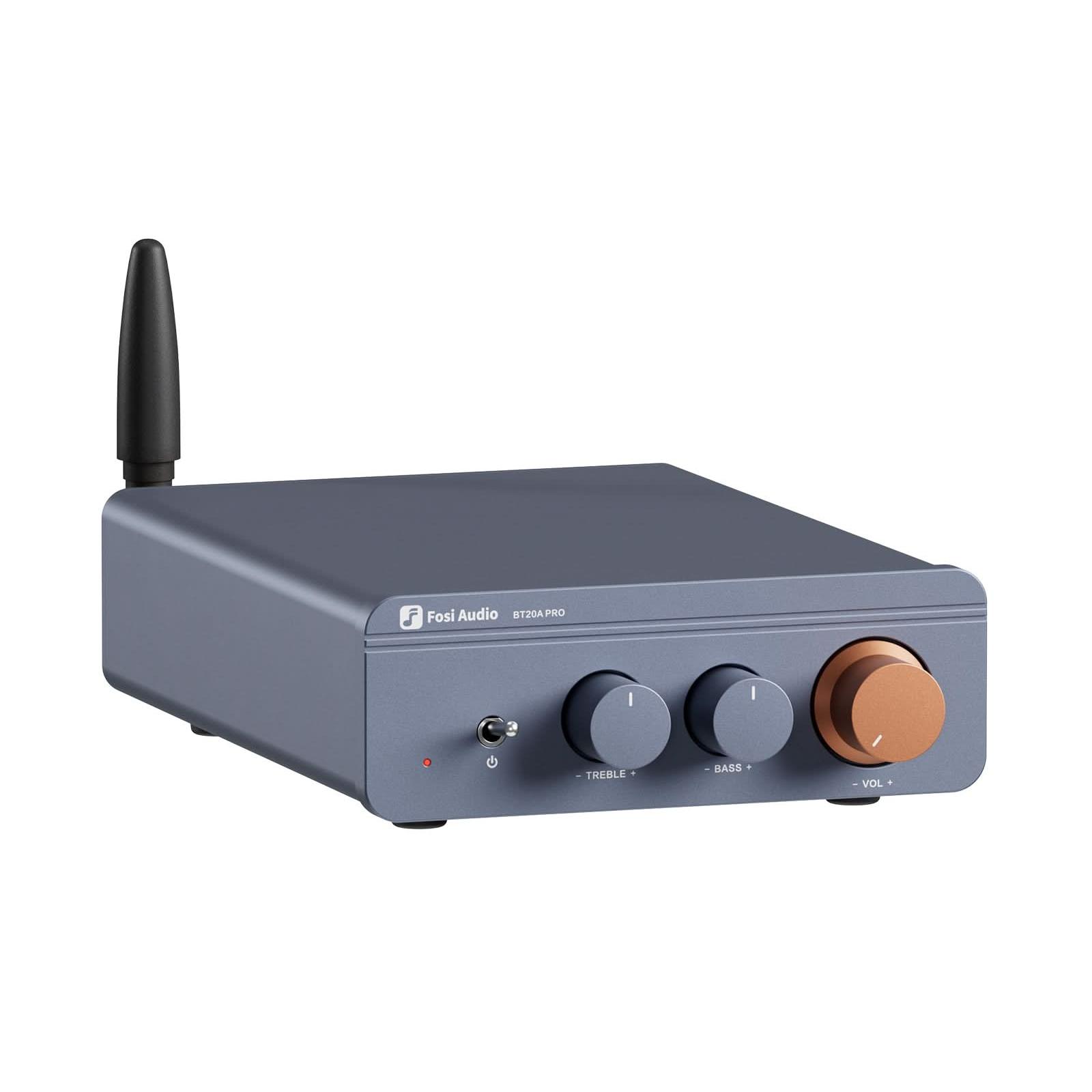
At $99.99 with the 32V 5A adapter, Fosi's own chart rates the BT20A Pro at 100W into 4 ohms; the 300W headline belongs to a supply this amp is not sold with.

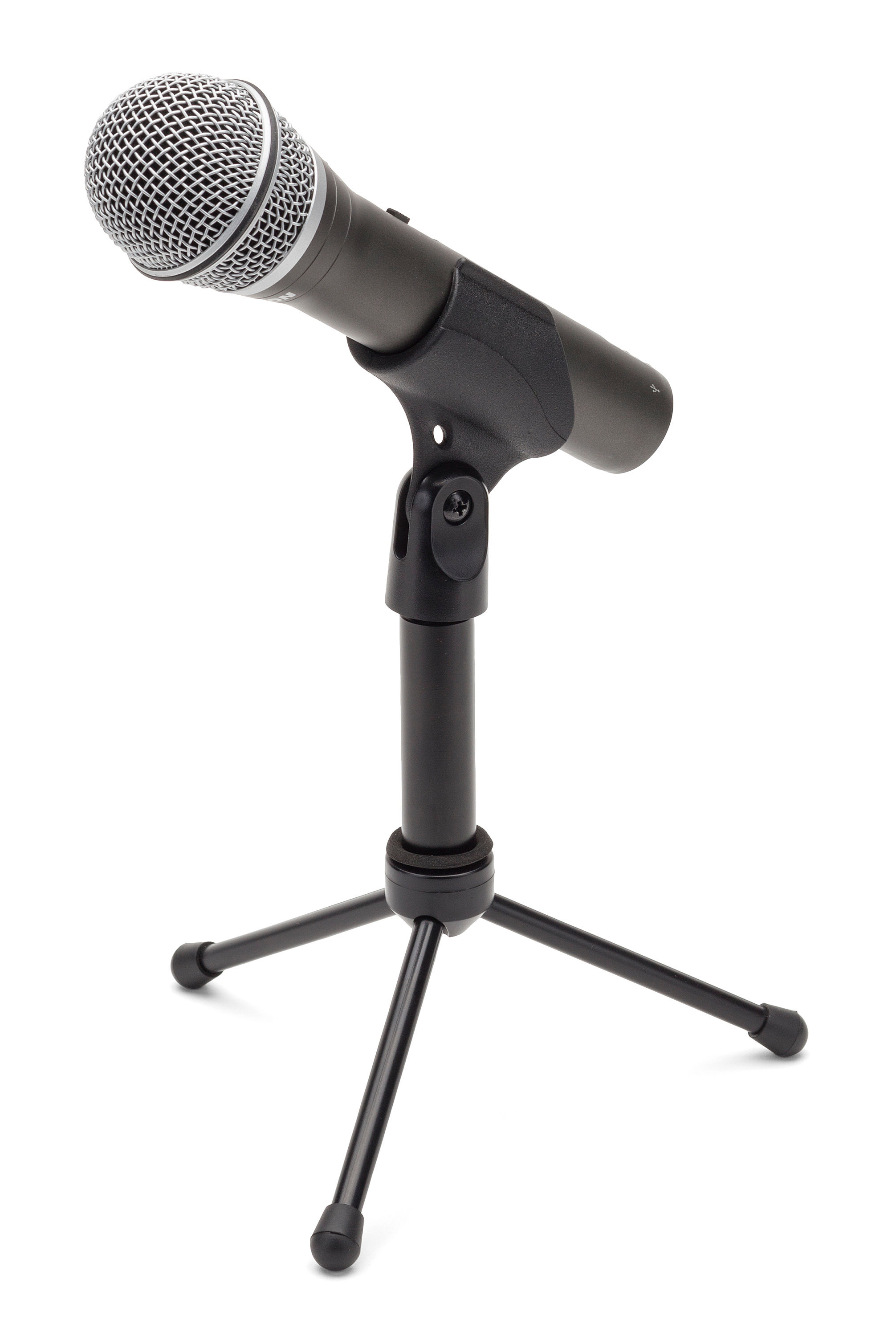
A first voice-recording mic at $79.99 that runs over USB-C today and keeps an XLR output for the interface you buy later — with the digital path capped at 16-bit/48 kHz.

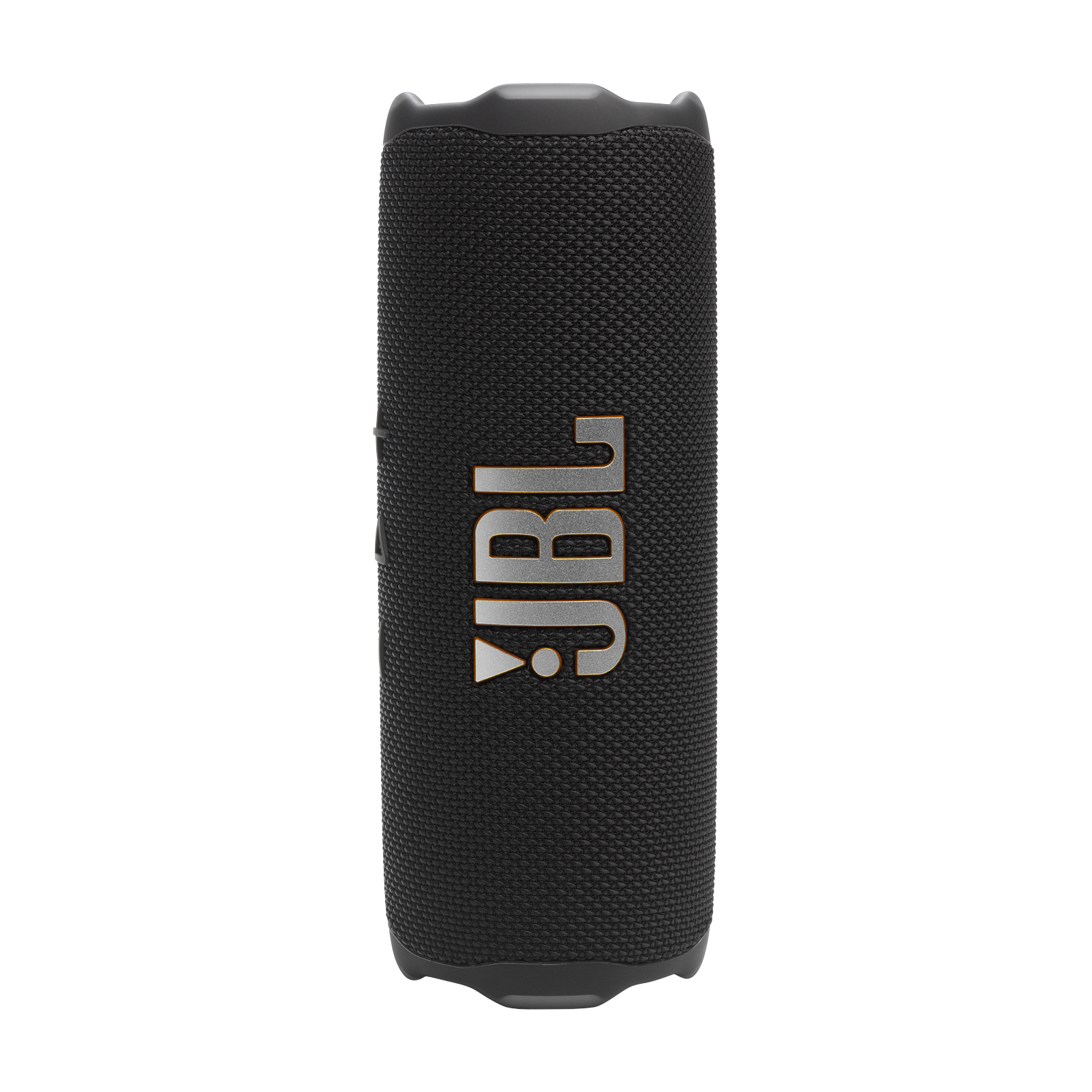
The 560 g Flip 7 offers more driver and battery capacity than the pocket-size Go 5, but existing PartyBoost owners cannot add it to their speaker group.

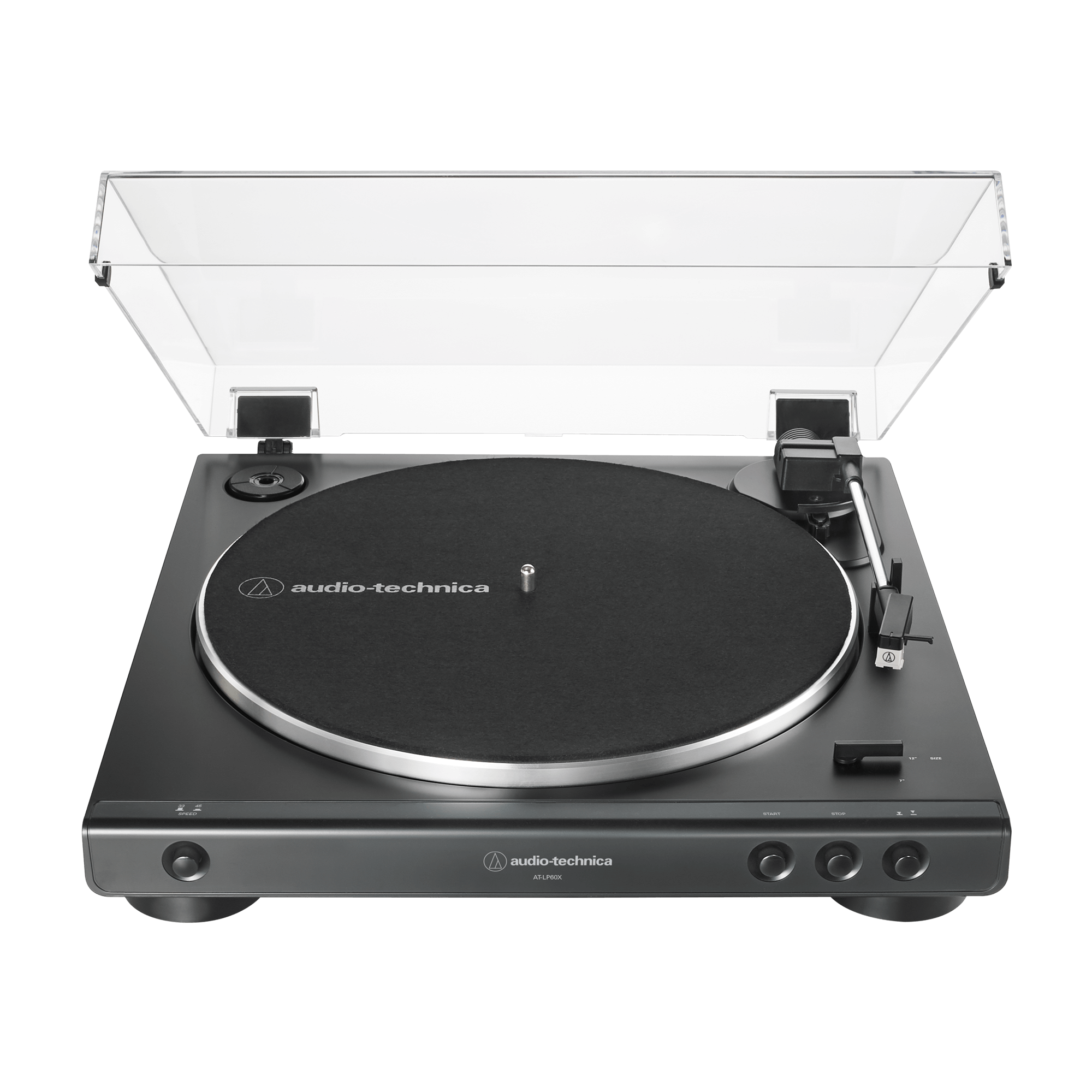
The black AT-LP60X lists $179 with a built-in, switchable phono preamp, so it plugs into powered speakers or any AUX input with the included cable. The factory-preset tonearm and the 300–500-hour stylus clock are what that convenience costs.

A compact speaker can be a sensible new purchase without being a necessary upgrade for an existing owner.

A small speaker can still have a useful life after its successor arrives. That does not mean the older model is a good buy at its old price.

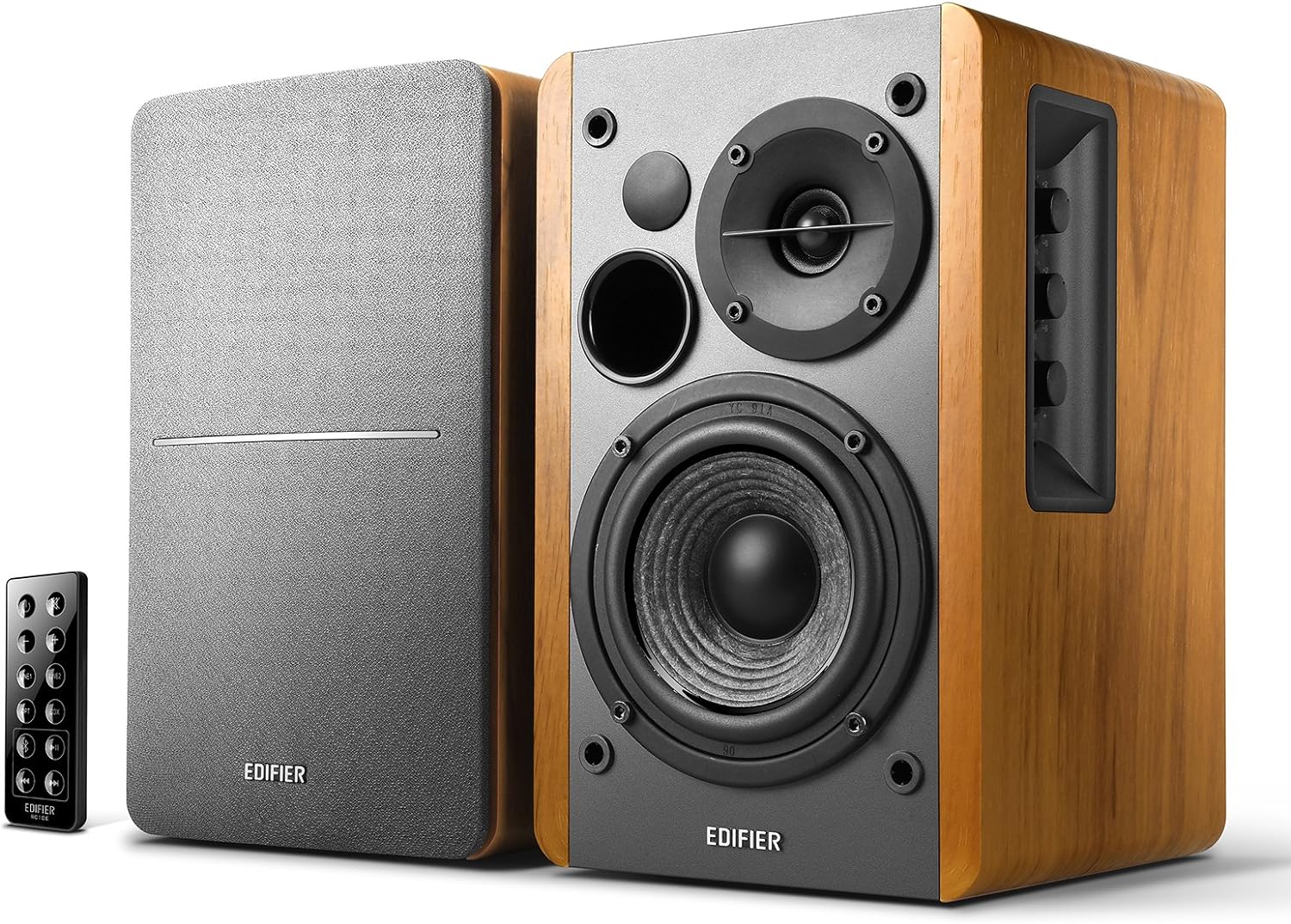
At $189.99 the R1280DB puts a two-way, remote-driven stereo pair with an optical input under a TV or desk; the 4-inch woofers stop at 55 Hz and the subwoofer output lives one model up.

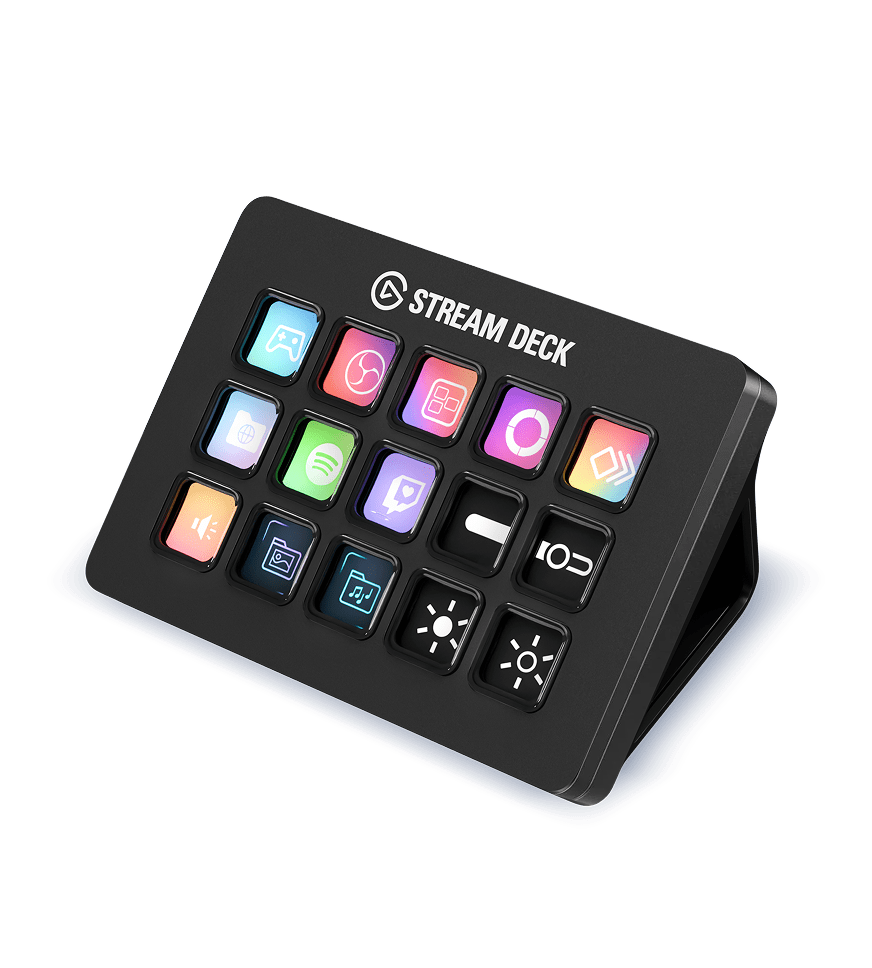
$149.99 buys fifteen programmable keys, a desktop stand and a USB-C cable. The purchase turns on whether your day already repeats the same eight actions in apps you keep open.

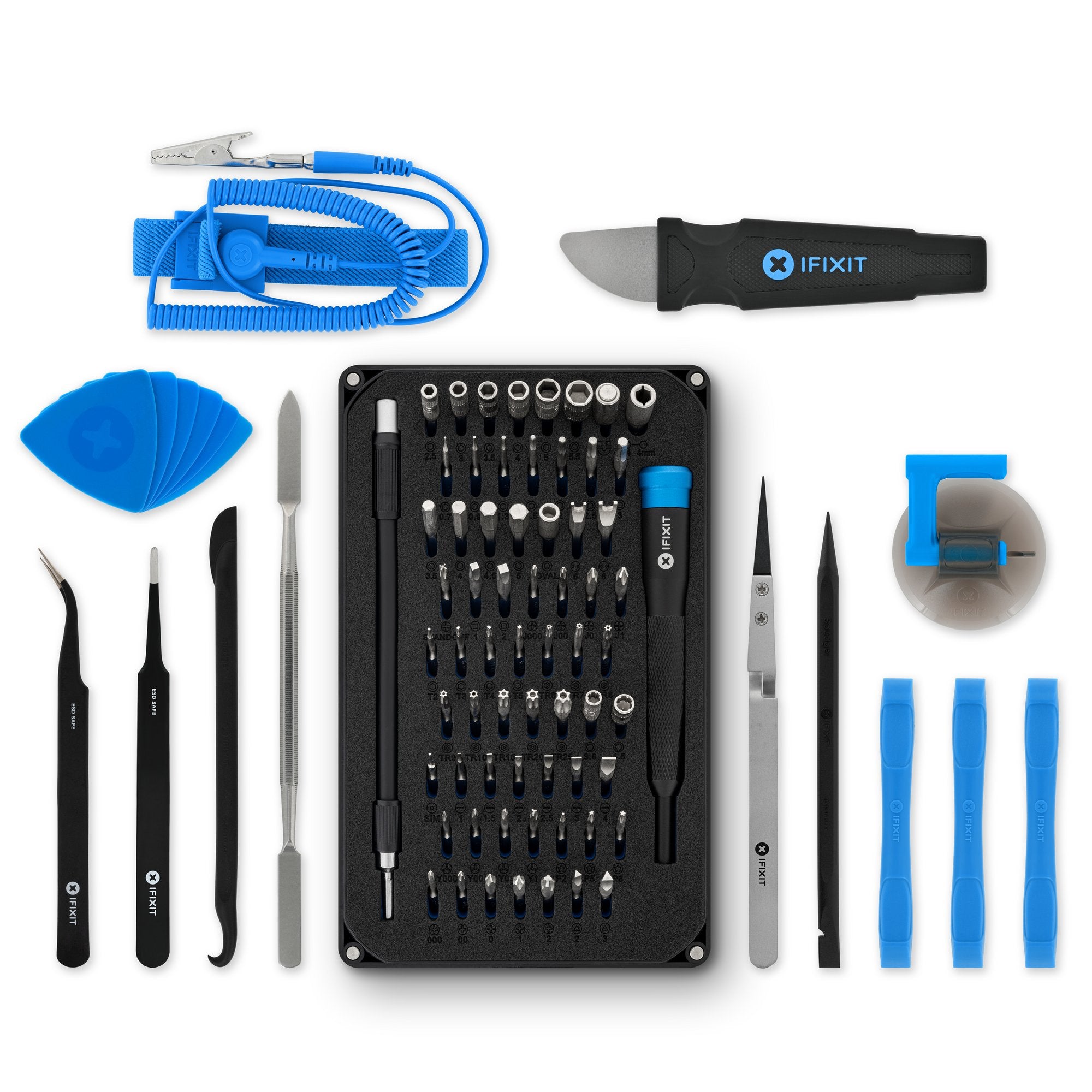
iFixit's $79.95 Pro Tech Toolkit is a $39.95 Mako driver kit plus eleven tool lines that list at $54.71 on their own — the extras come to $40 inside the roll.
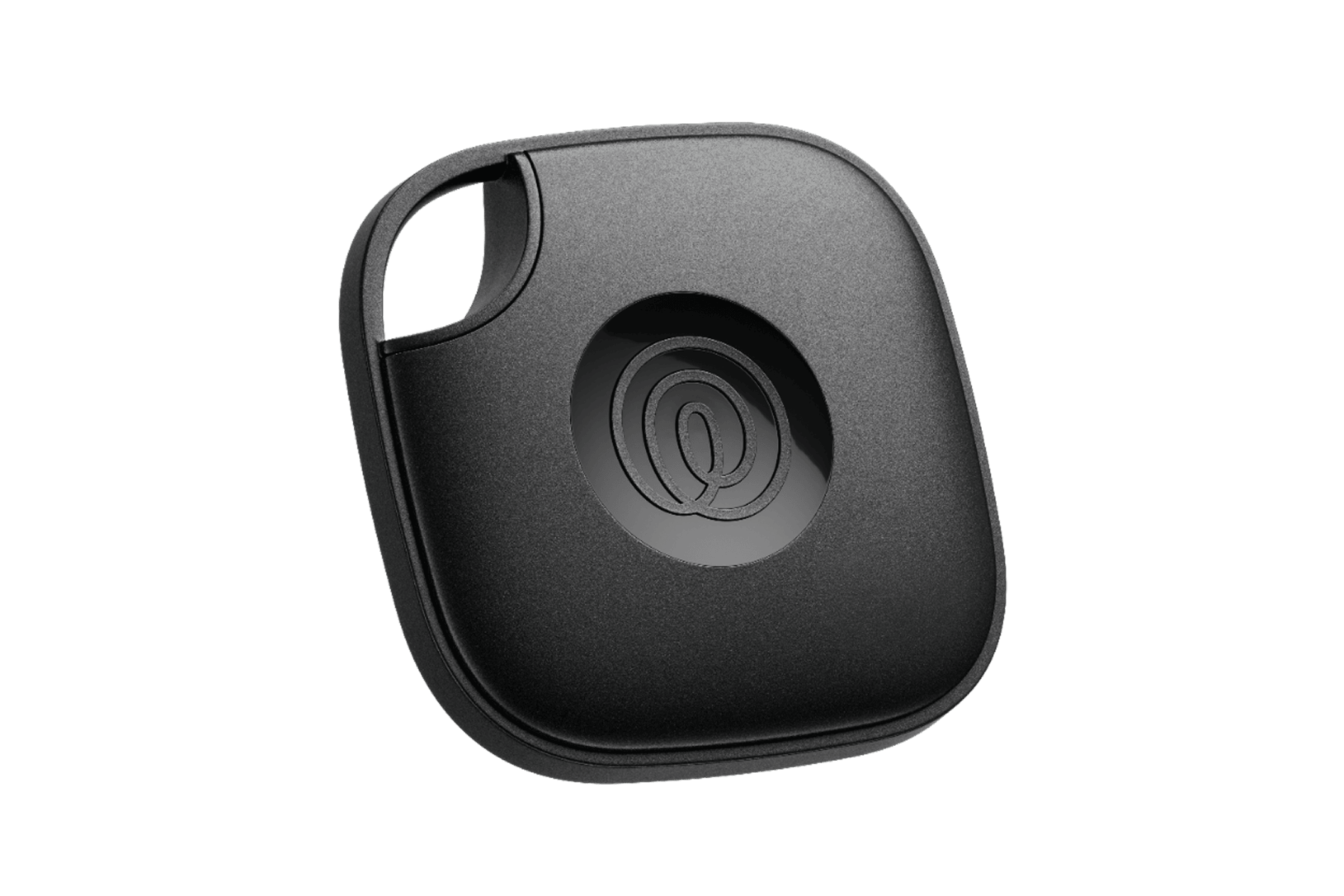
The 2024 Tile Mate costs $24.99, rings at 100 dB across a rated 350-foot Bluetooth range and pairs with iOS or Android through the free Life360 app, which is the point: no iPhone household required.

A single charger can simplify a travel kit, but a 65W label does not mean every connected device gets 65W.

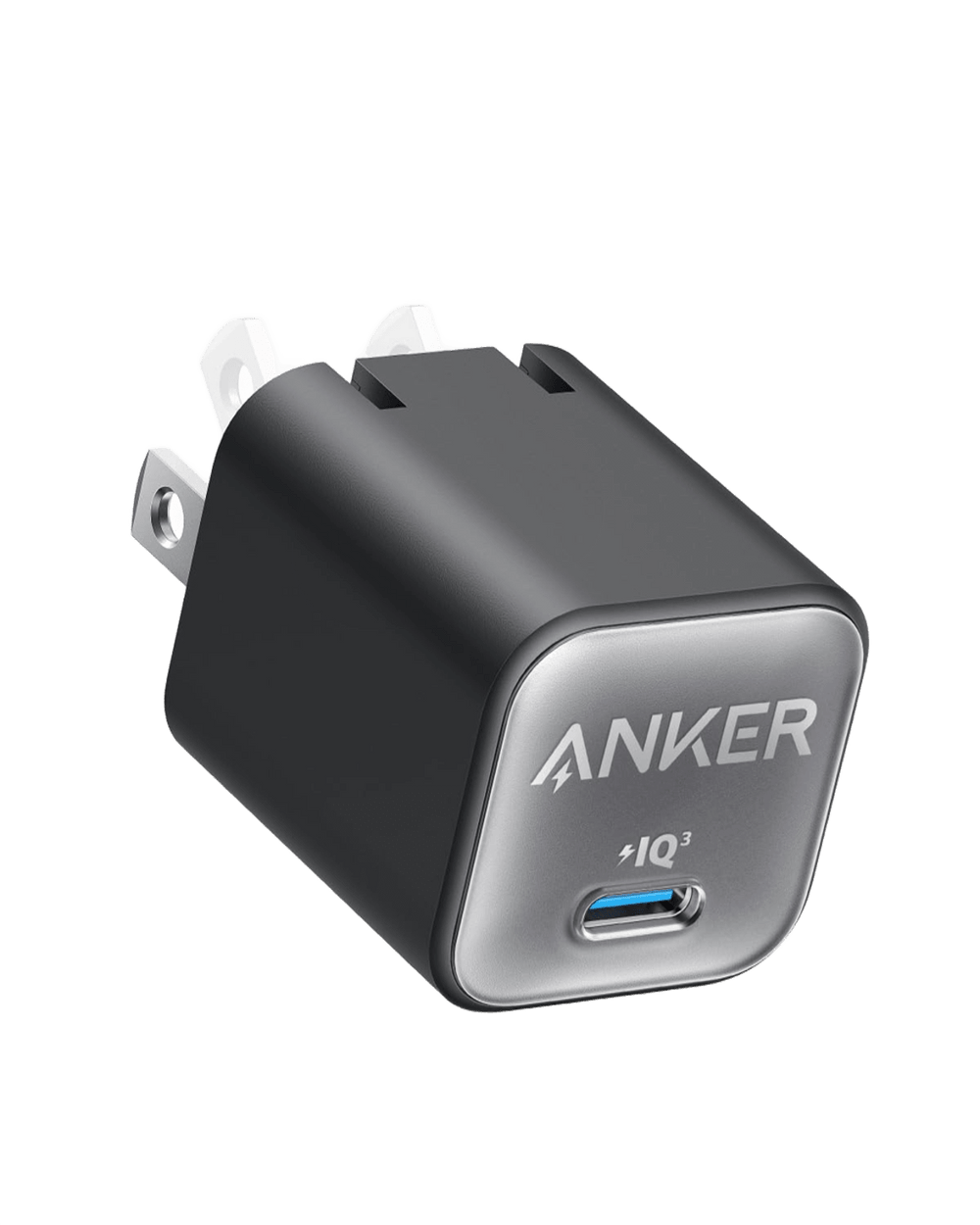
The A2147 is a compact answer to one charging job. Your evening queue matters more than the size of the plug.

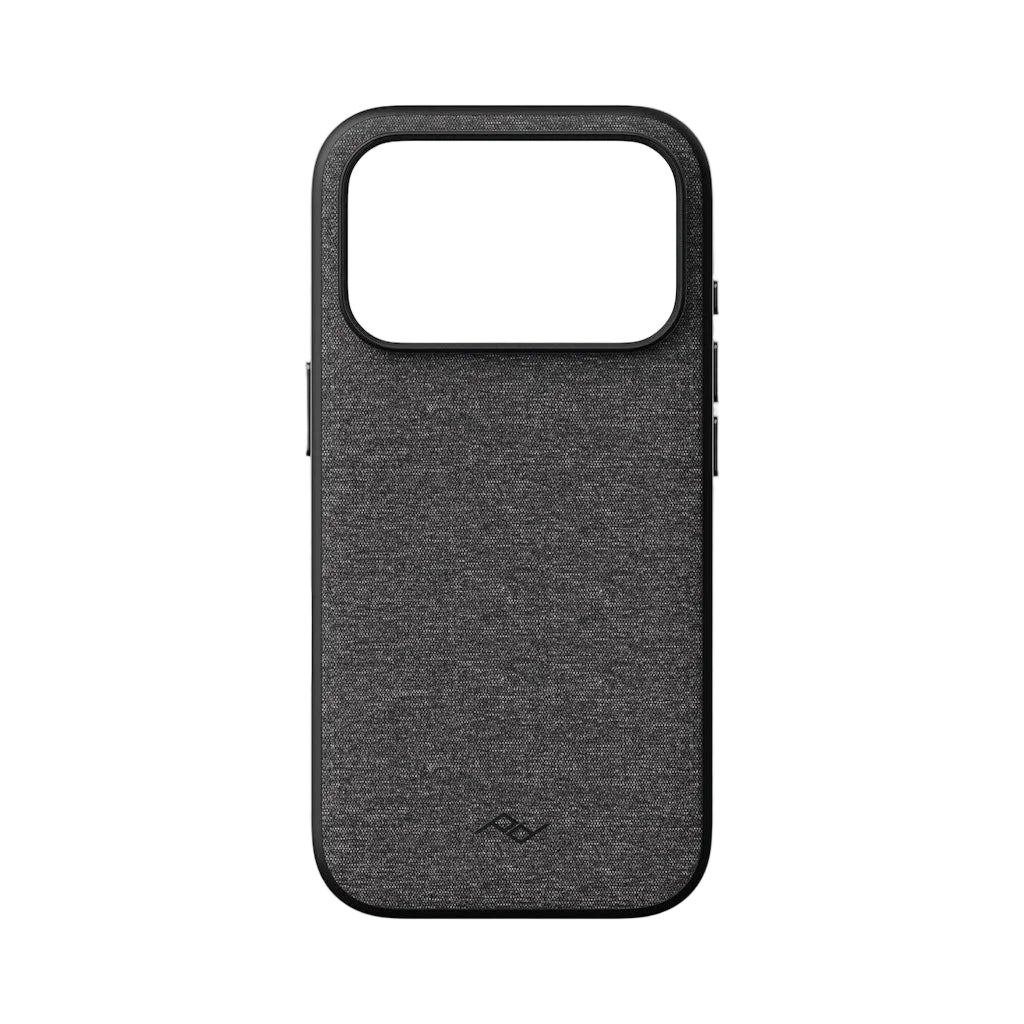
Peak Design removed its SlimLink locking square, cut the price to $39.95 and kept the bumper, the strap anchors and the lifetime guarantee. What you lose is the mechanical hold, and the brand itself says which buyers should care.

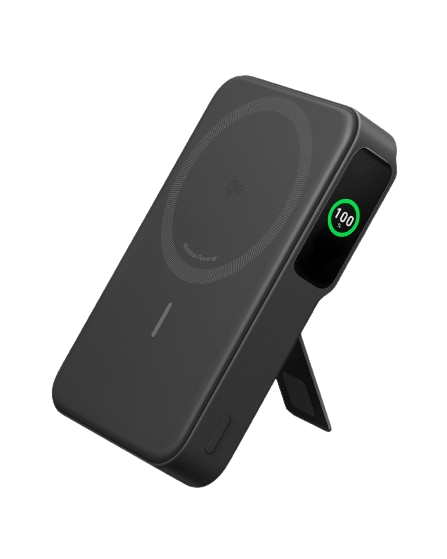
Anker's A1654 packs 15 W Qi2 magnetic charging, a 27 W USB-C port and a fold-out stand into 250 grams for $89.99. The FAQ rules out Android, which narrows who should pay for the magnet at all.

A phone is chosen in a store and lived with through its port, its charging rate and its storage. Three accessories we have reviewed show which of those a new handset changes, and which it quietly leaves behind.

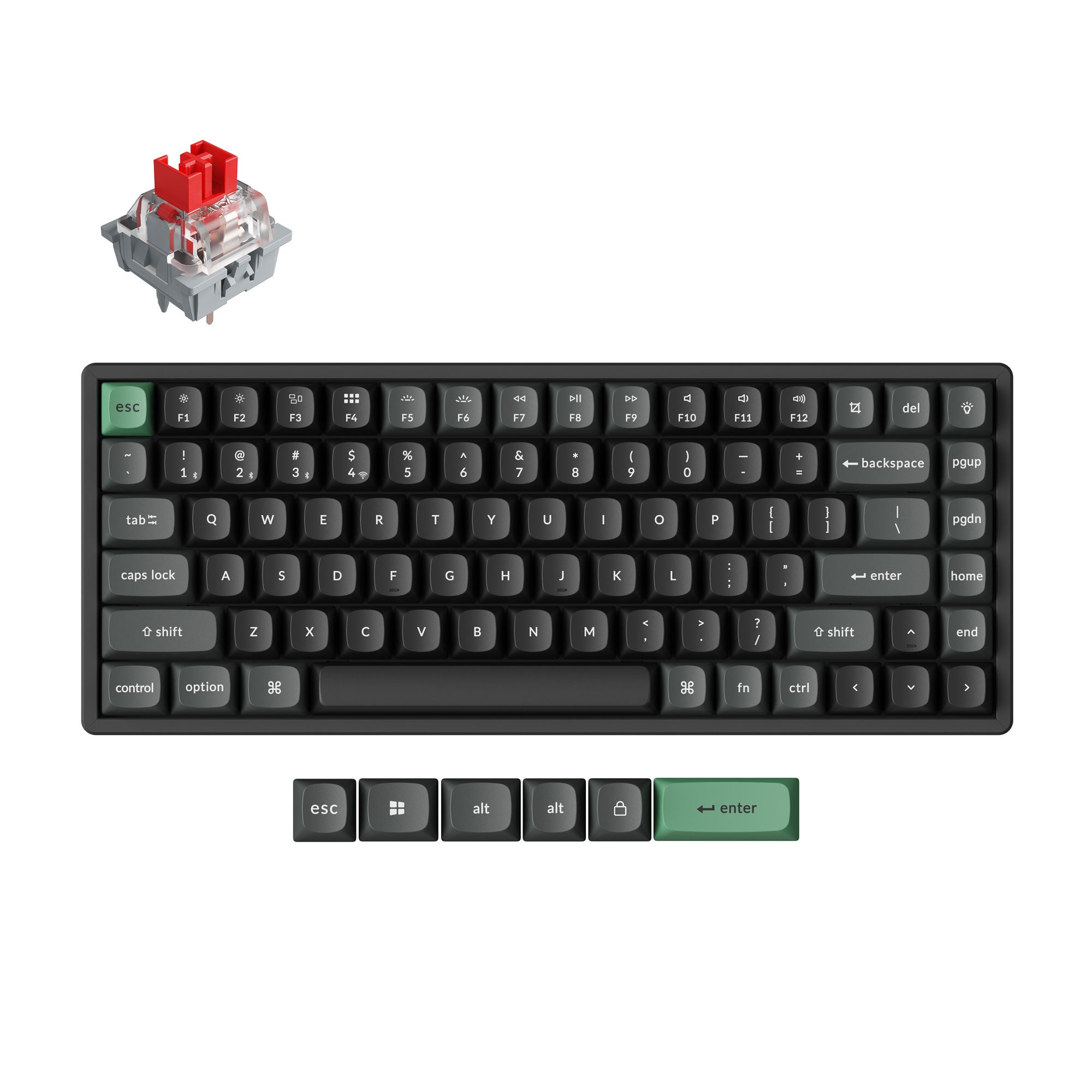
Keychron's $119.99 K2 Ultra 8K reports at 8,000 Hz over its cable and its 2.4 GHz dongle, eight times the K2 Max's rate and five dollars below the hot-swap aluminum Max.

A $119.99 low-profile keyboard whose backlight wakes when your hands approach and dims to the room. The typing feel is the same as its predecessor; the case for it is the automation and the three-device switching.

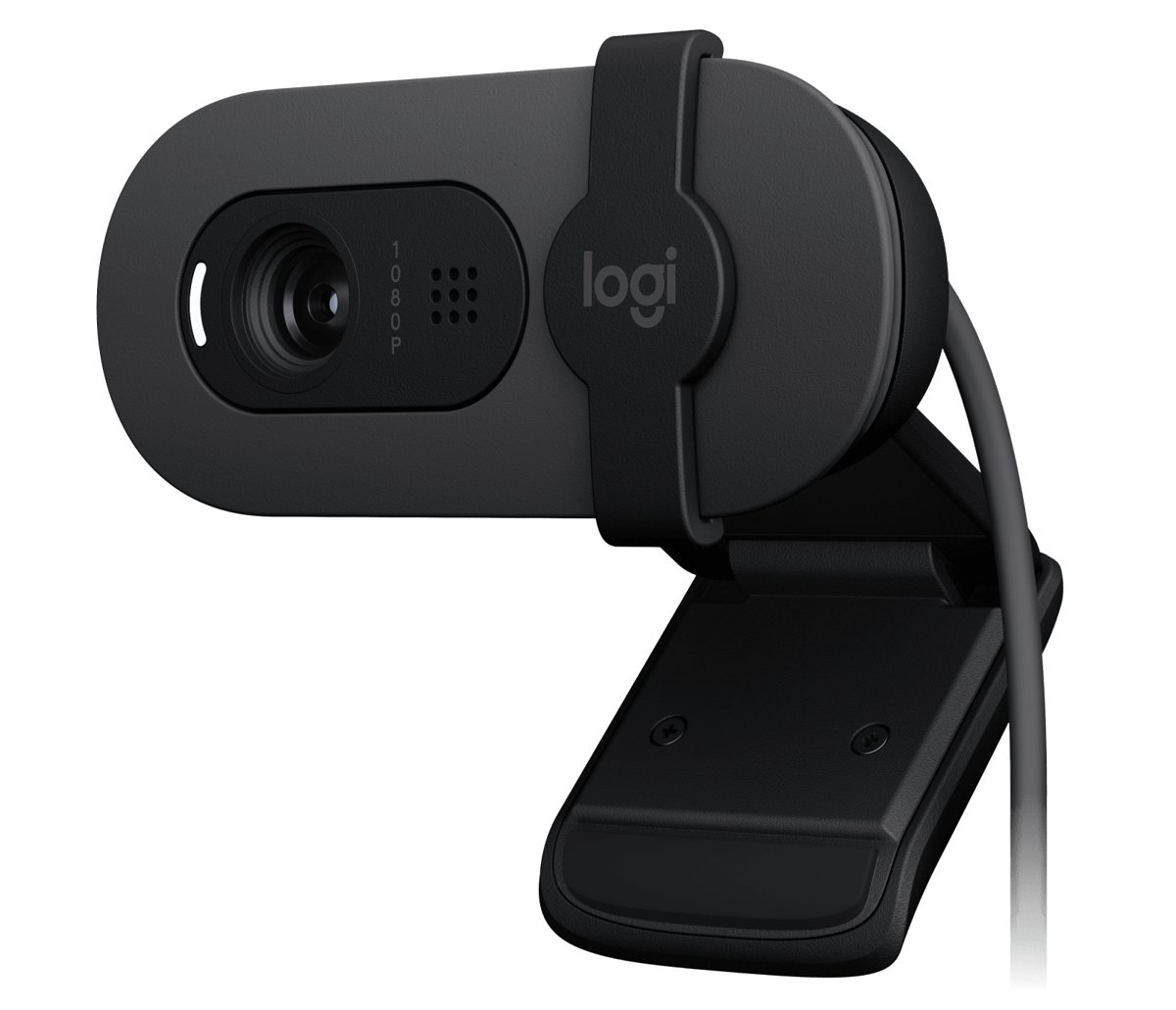
Logitech's cheapest current webcam lists 1080p at 30 fps, a 58 degree field of view, one omnidirectional microphone, and a sliding shutter for $29.99. The fixed-focus plastic lens is what separates it from the $59.99 C920s, and it is the one line on the spec list you cannot fix later.

A desktop is a box that has to live with a mouse, a keyboard and a printer. Three reviewed products show how the peripherals you keep decide the ports, the wireless and the placement a new computer needs.

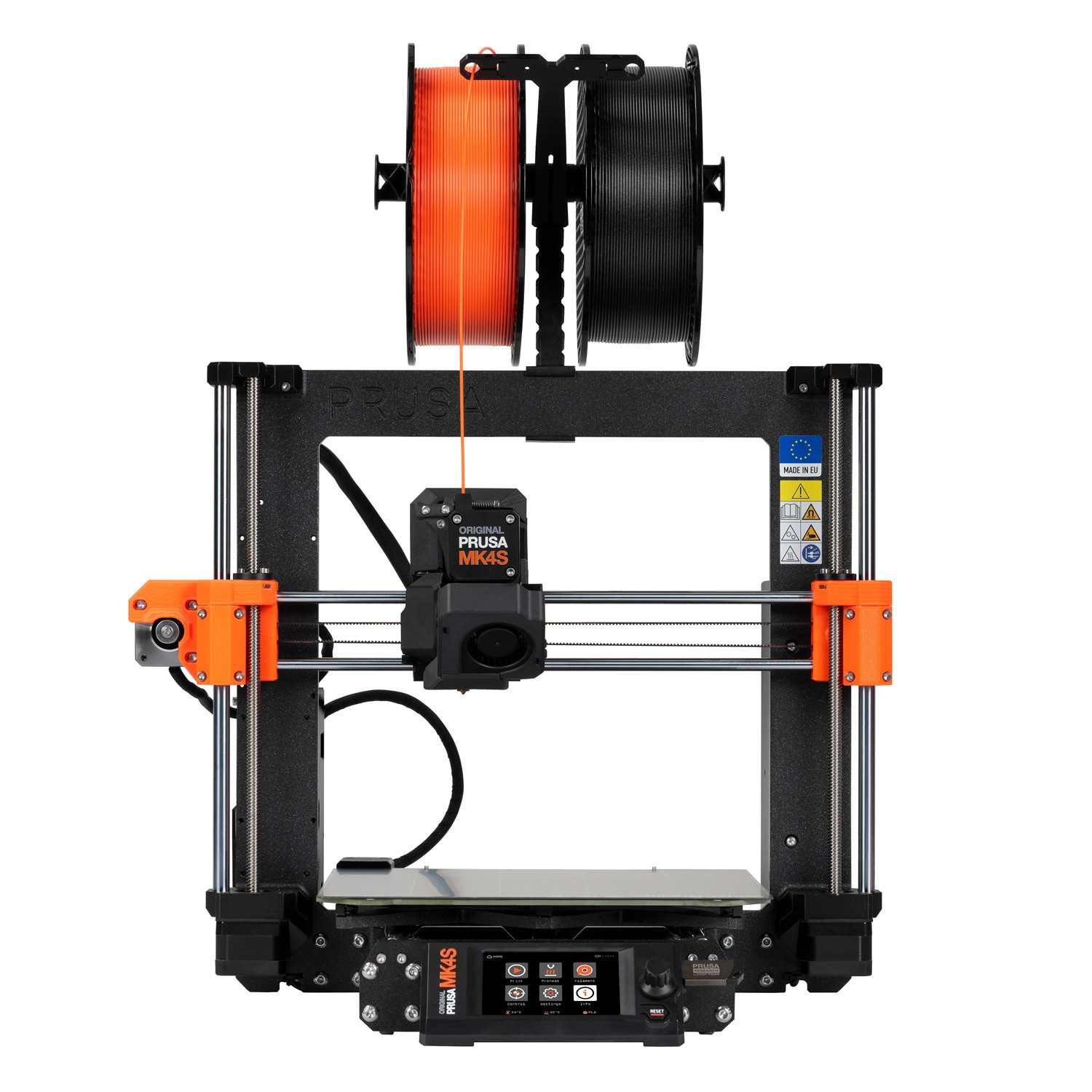
Buy the $709 kit only if you want to build, diagnose and repair the printer yourself; the one-year US warranty covers parts, not the labor on a machine you assembled.

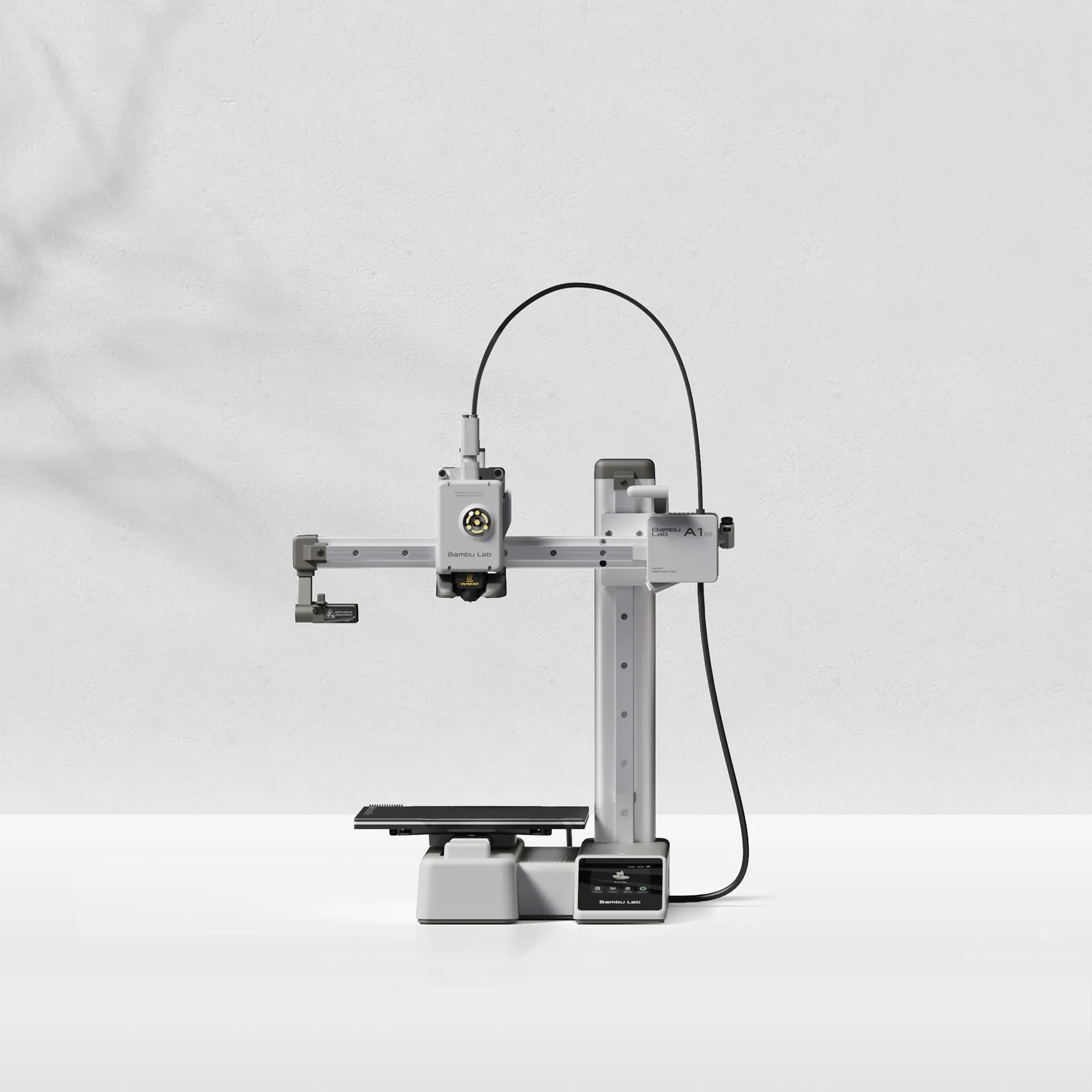
A $219 desk printer for parts that fit a 180 mm cube, in PLA, PETG, TPU and PVA. The $110 AMS lite buys four colors and a bin of purge waste; ABS is out.

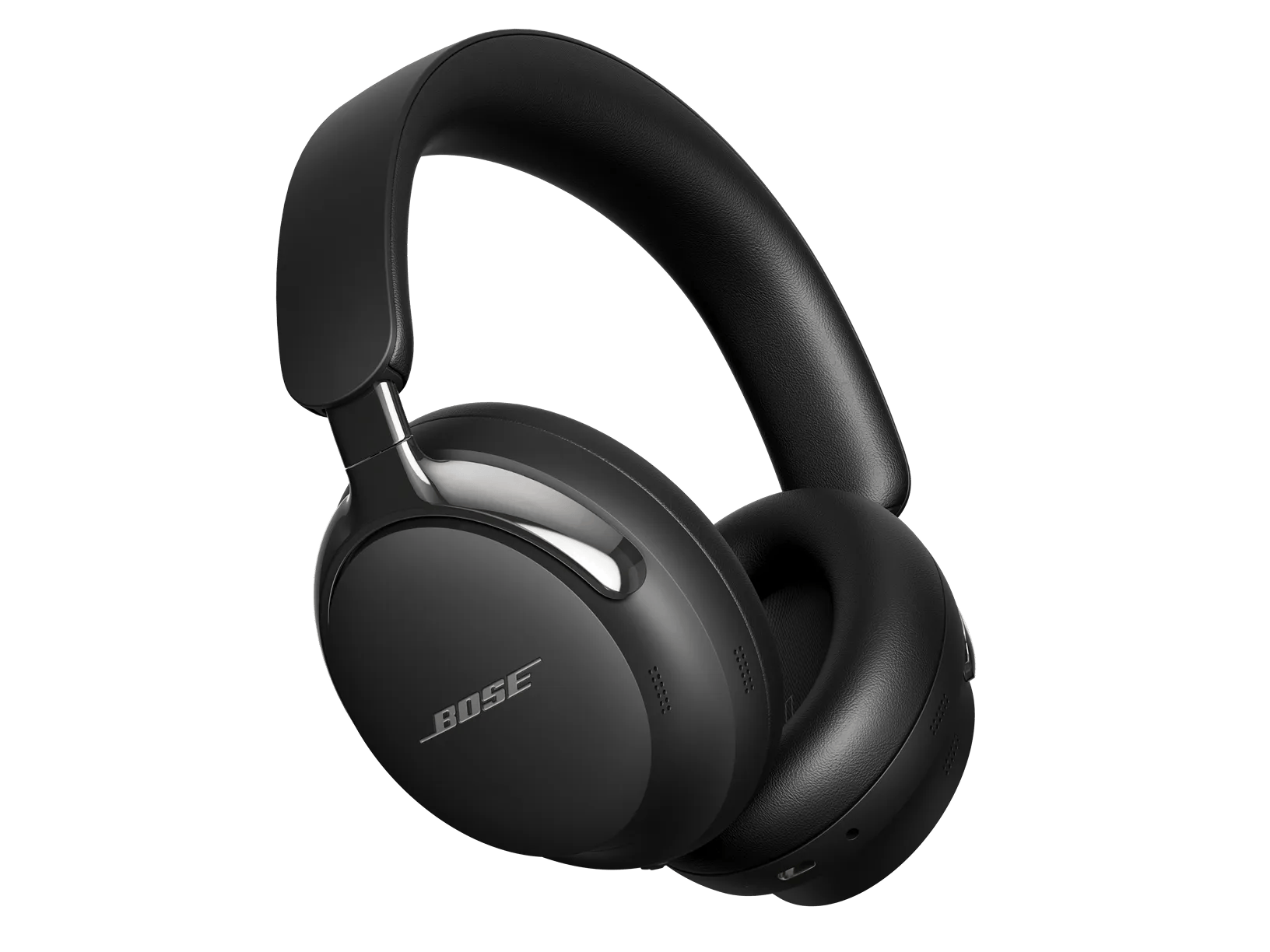
Bose's second generation adds lossless USB-C audio and Cinema Mode; the battery headline rises to 30 hours with cancelling on, and the list is $449.00.

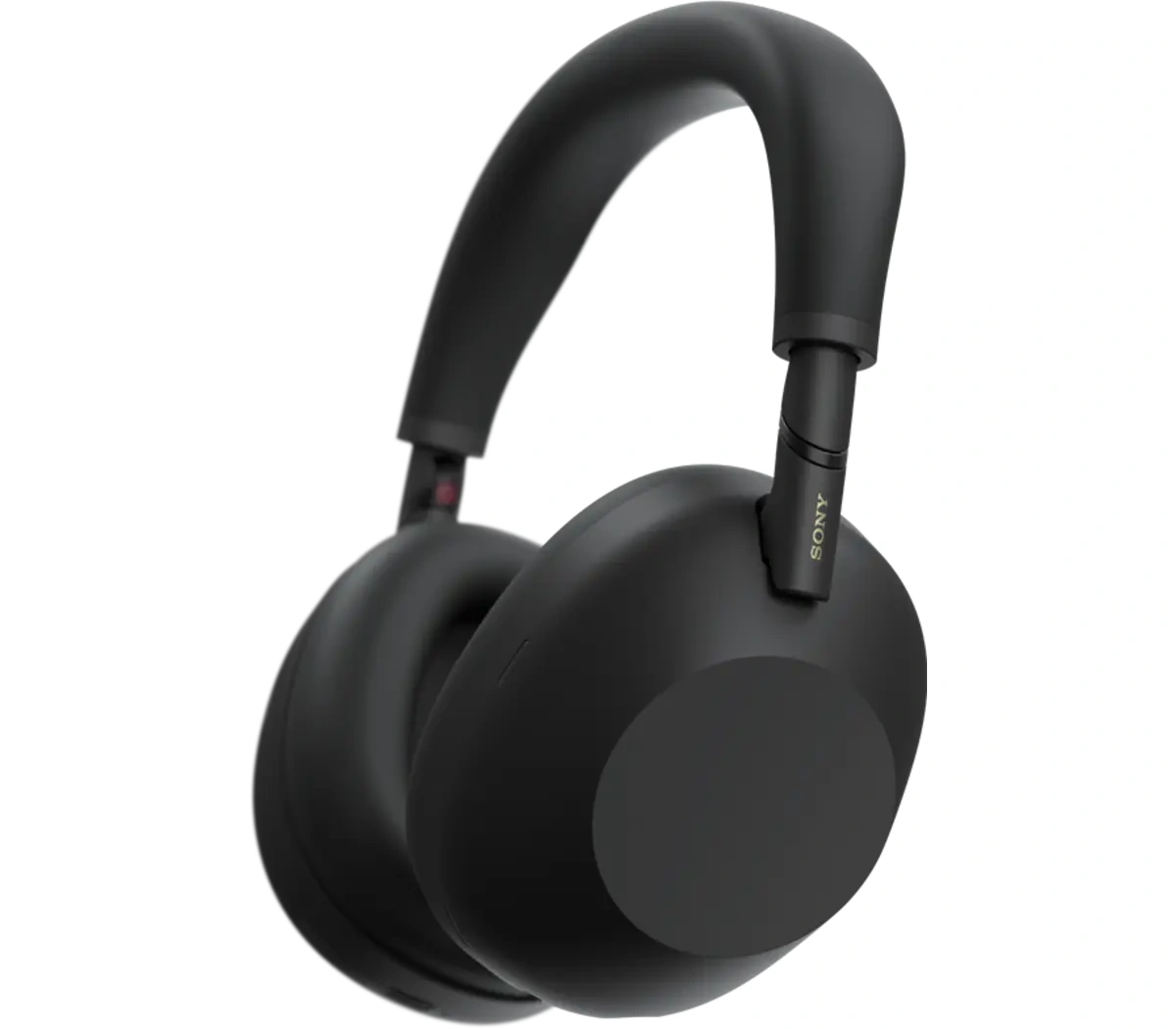
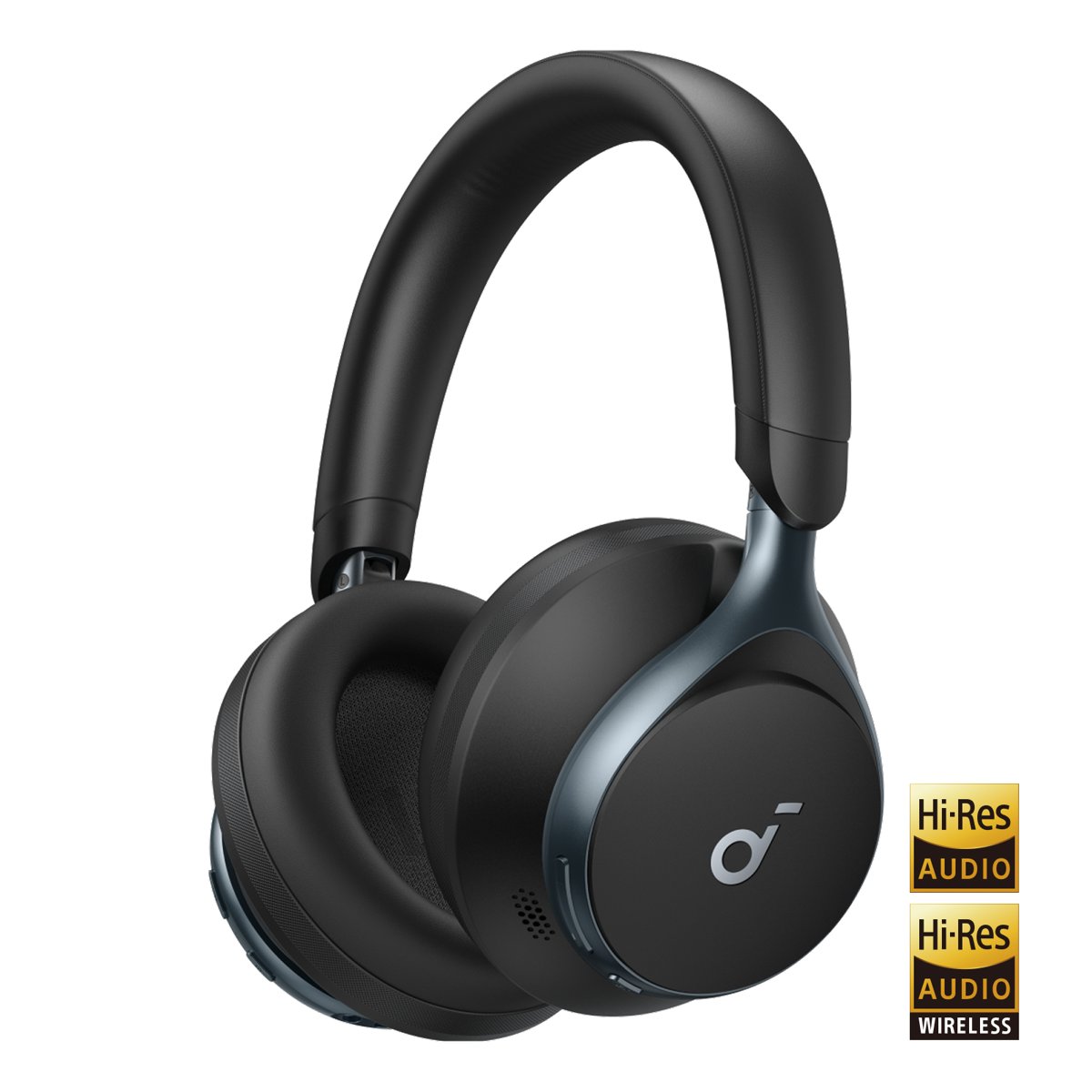
Sony's $379.99 flagship over-ear carries a 12-microphone adaptive canceller and LE Audio; against the $99.99 soundcore Space One it buys cancellation and LE Audio, not battery life.

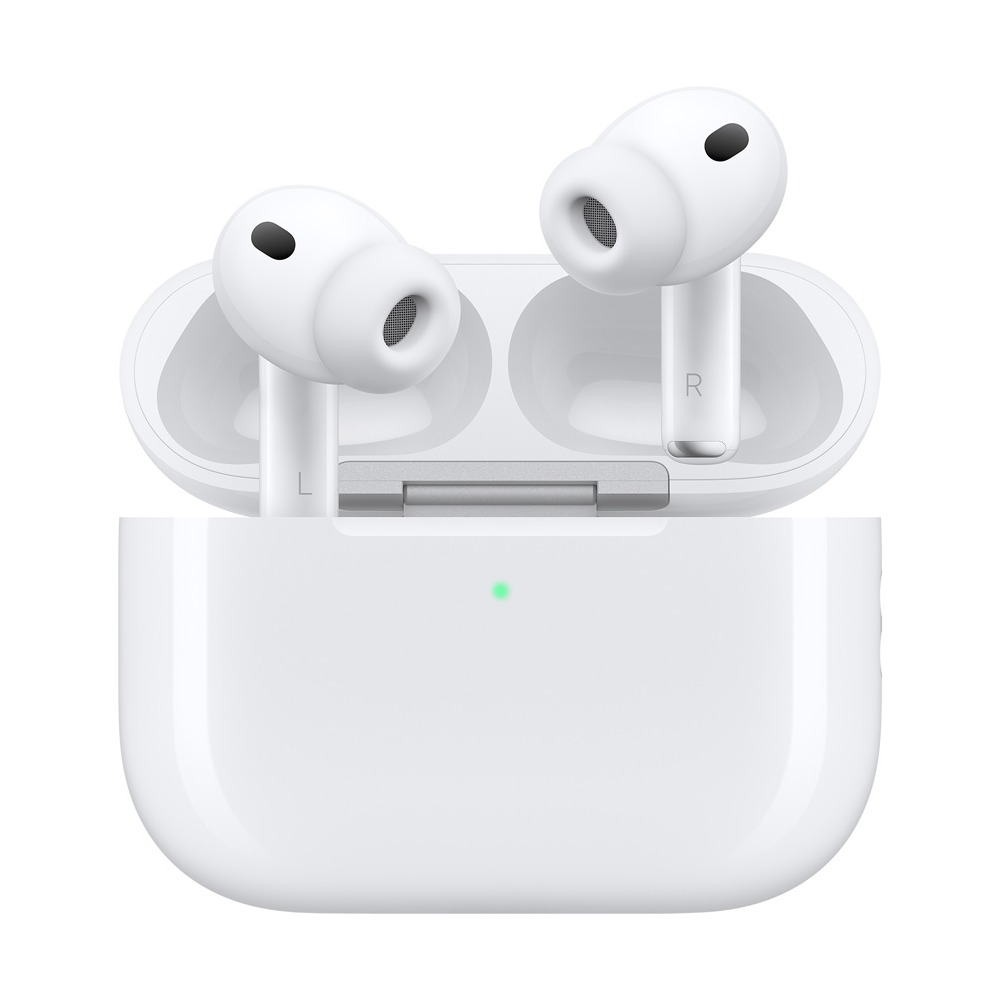
The AirPods Pro 3 pair what Apple calls the world's best in-ear noise cancelling with a hearing test, an authorized hearing-aid mode and workout heart rate. Apple asks $249, the same pair is $234 when Amazon is the seller, and neither box holds a USB-C cable.

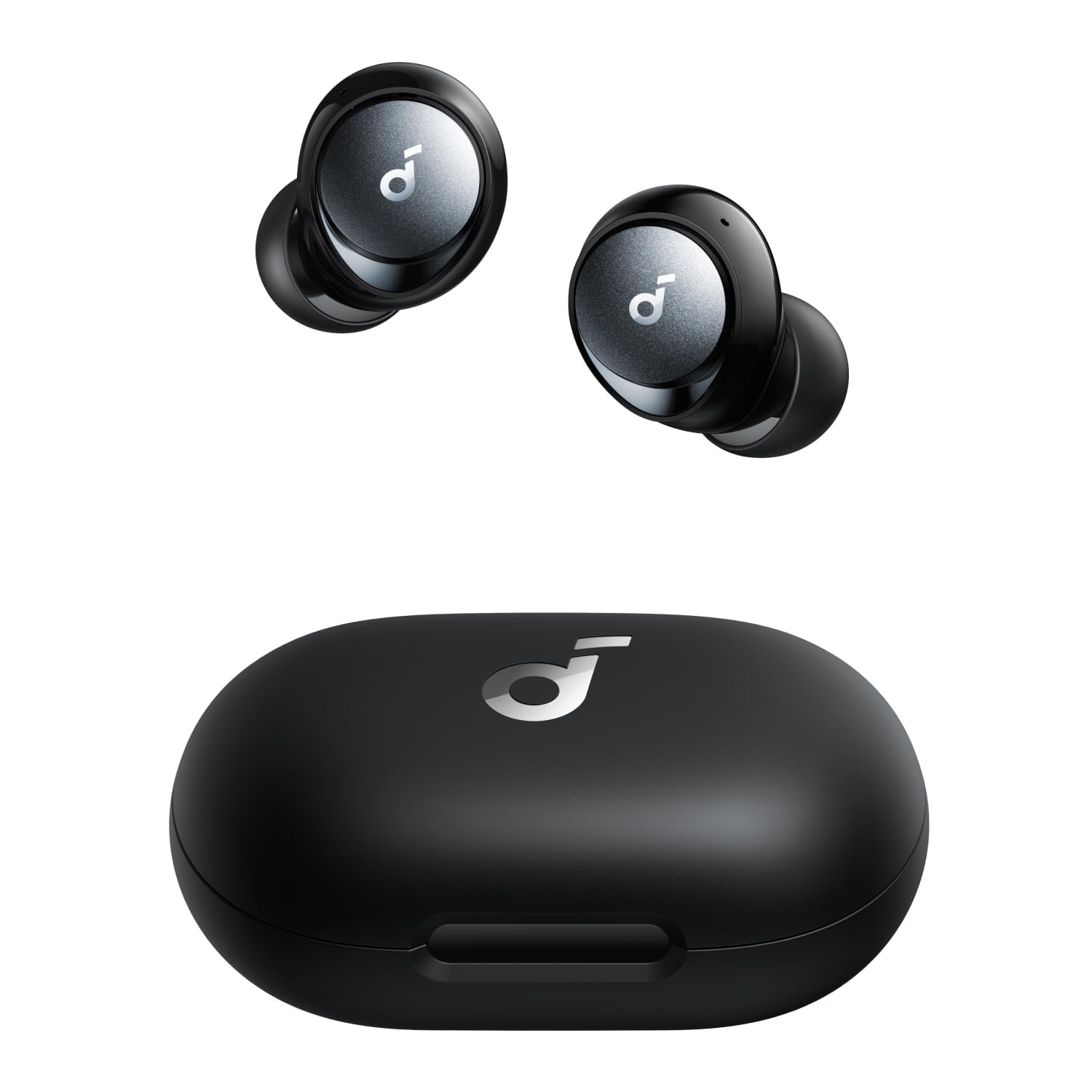
At Amazon's $54.99, the Space A40 packs adaptive ANC, LDAC, wireless charging, and a 50-hour case claim into earbuds — but soundcore's table cuts LDAC totals to 25 hours with ANC on and disables multipoint at the same time.

Adaptive noise cancelling, three call microphones, LDAC and wear detection for $99.99. Against the $79.99 Life Q30 the gains are in the microphones and the codec, and the battery actually gets smaller.

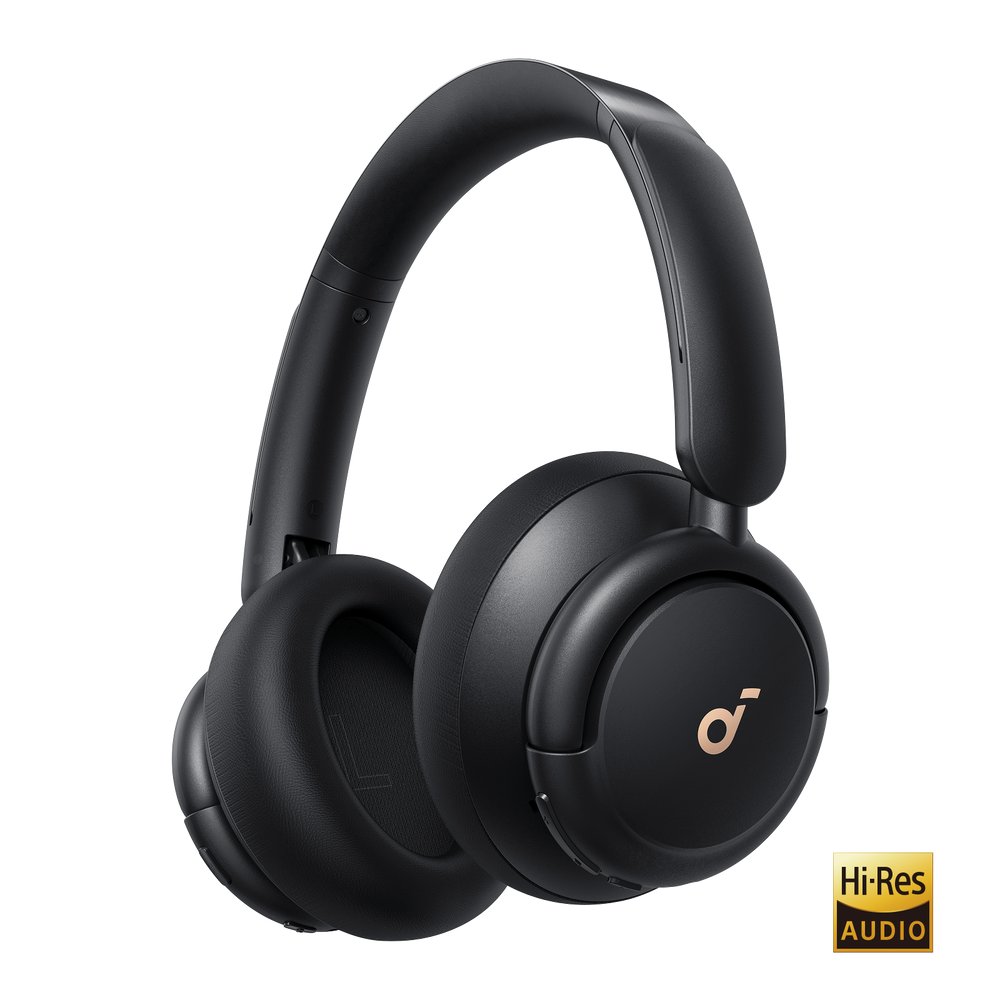
The Life Q30 is $79.99 in black on soundcore.com with hybrid noise cancelling, 40 mm drivers, multipoint, and a 40-hour ANC battery claim. It uses SBC and AAC only, cannot play while charging, and its own page prints two different playtime numbers.

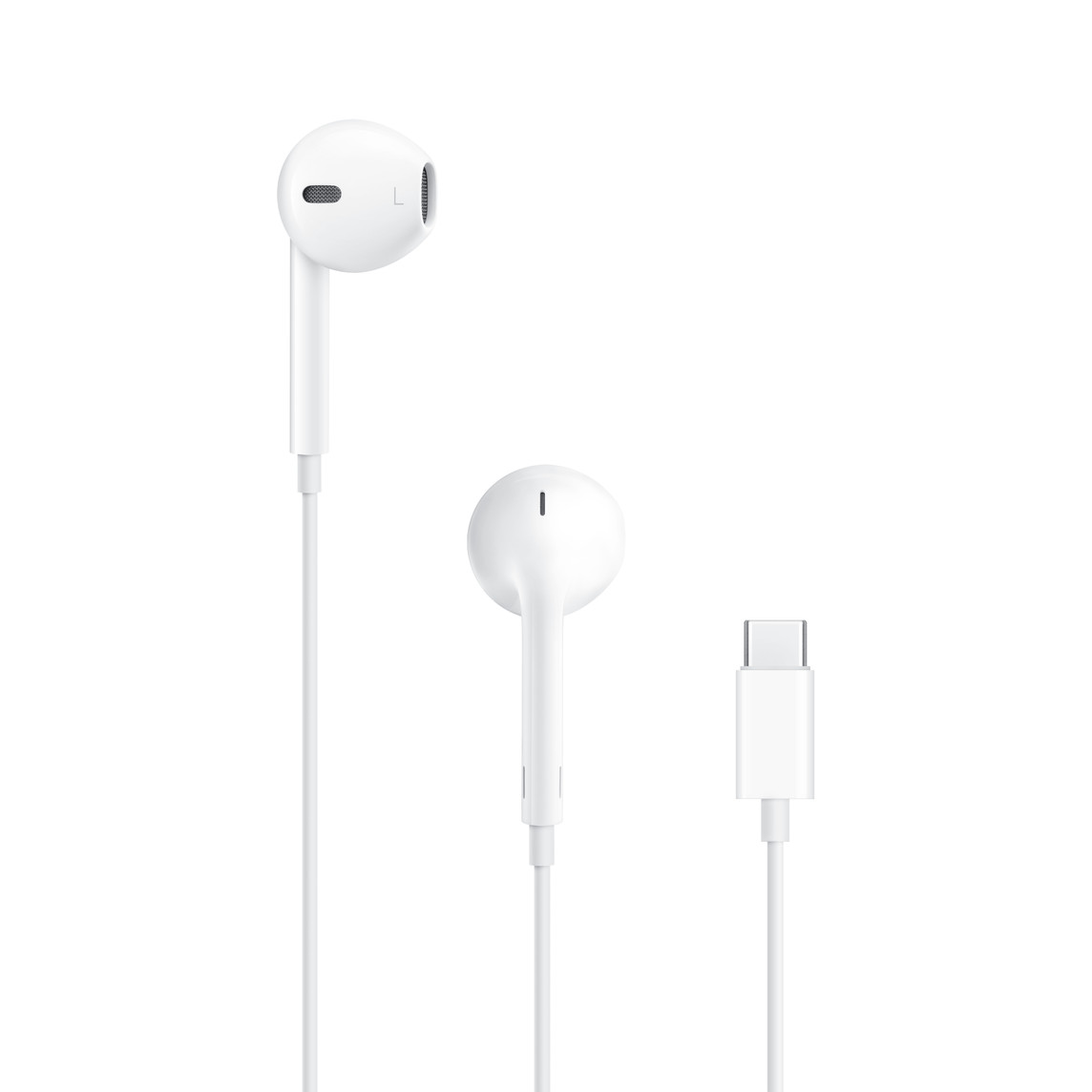
Nineteen dollars, one cable, no charging and nothing to pair. The catch is that the same earbud exists in three incompatible versions at the same price.

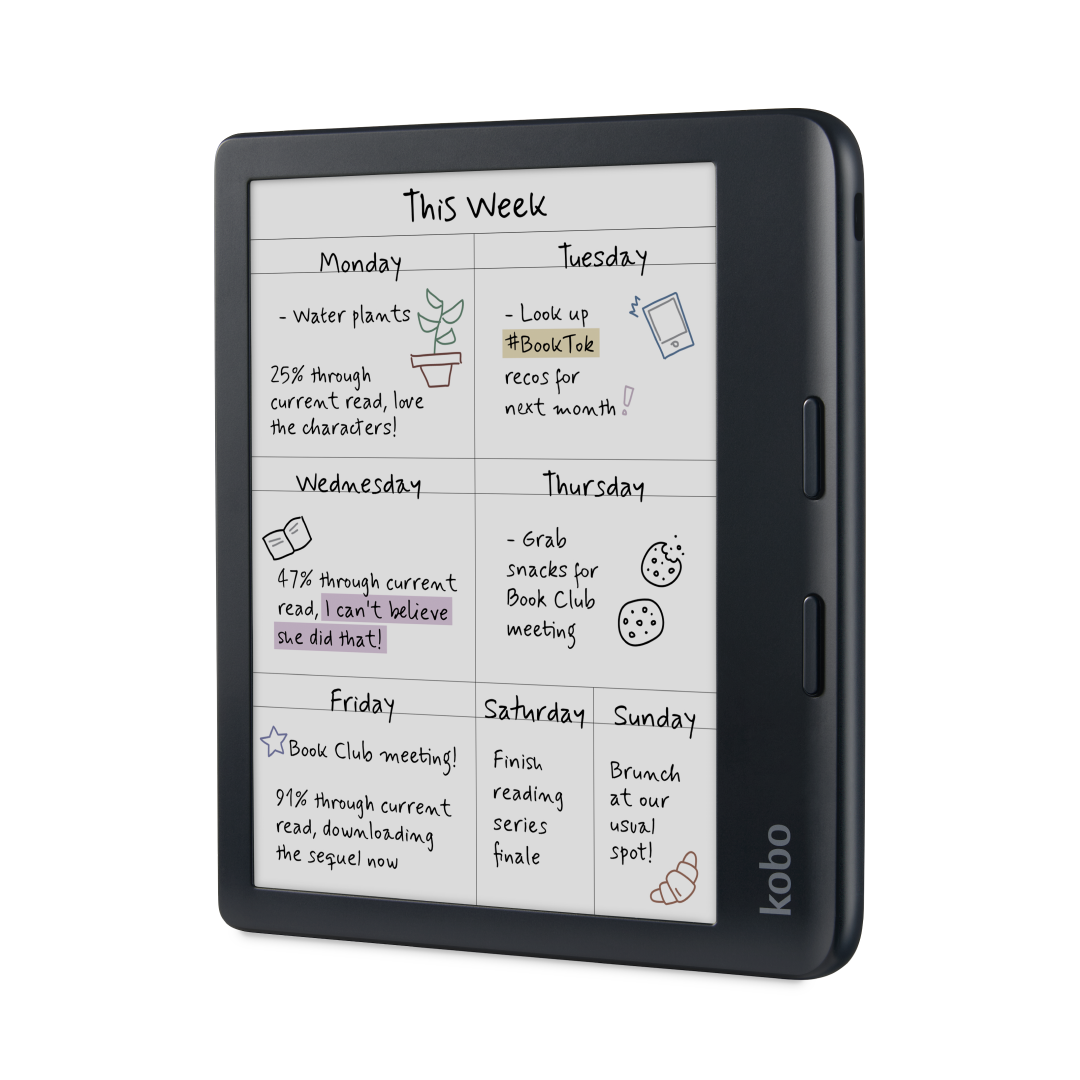
At $259.99 — $110 over the base Kindle — the Libra Colour keeps 300 ppi text and halves it for color; comics and library books repay the difference, plain novels do not.

The iPad (A16) is $449 at Apple and $399 at Amazon and handles streaming, notes, and household sharing; the step to the iPad Air buys P3 color, Pencil Pro and Apple Intelligence, and adding a keyboard and Pencil to both widens the gap rather than closing it.

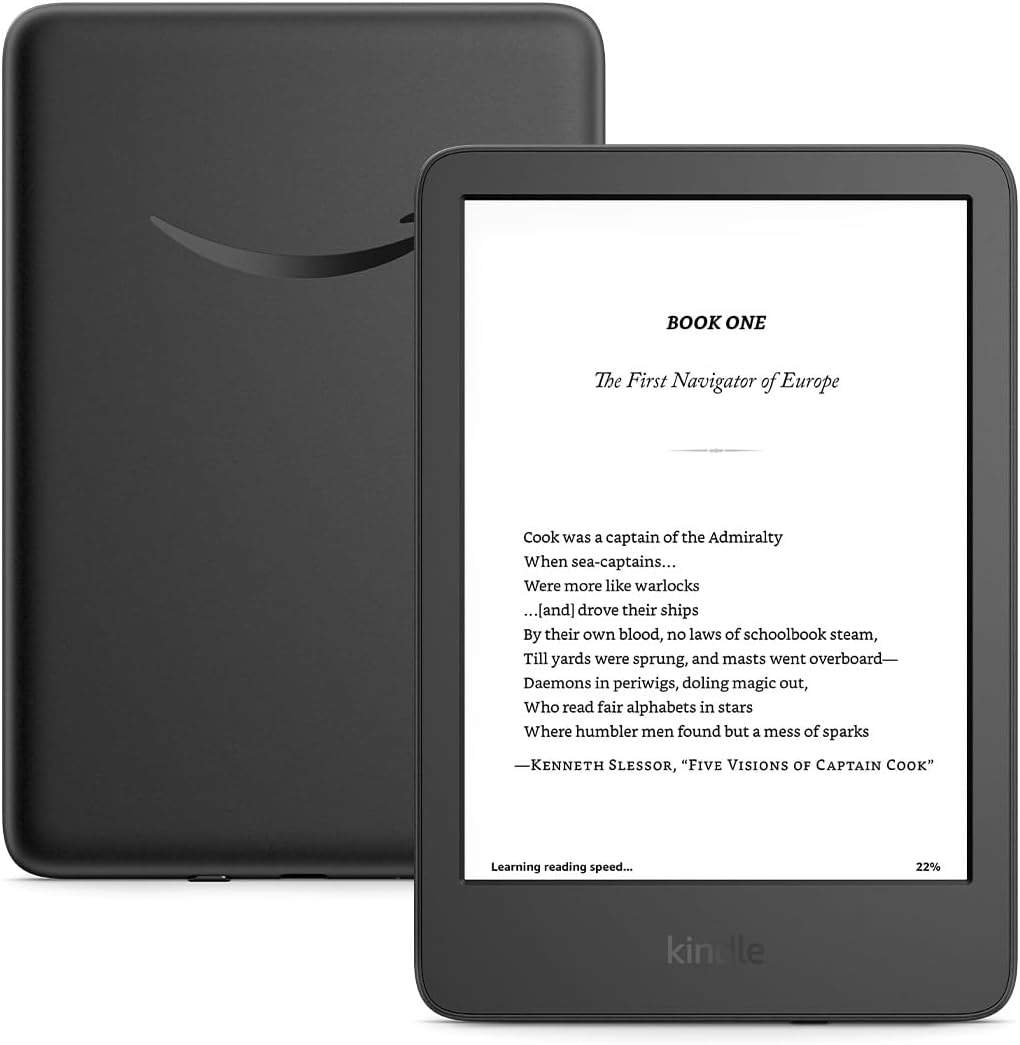
The cheapest Kindle now asks $149.99, $40 above its October 2024 launch price, for the same 300 ppi as the Paperwhite. The $50 step up buys the warmer, larger, waterproof display; the sponsored lockscreen comes standard.

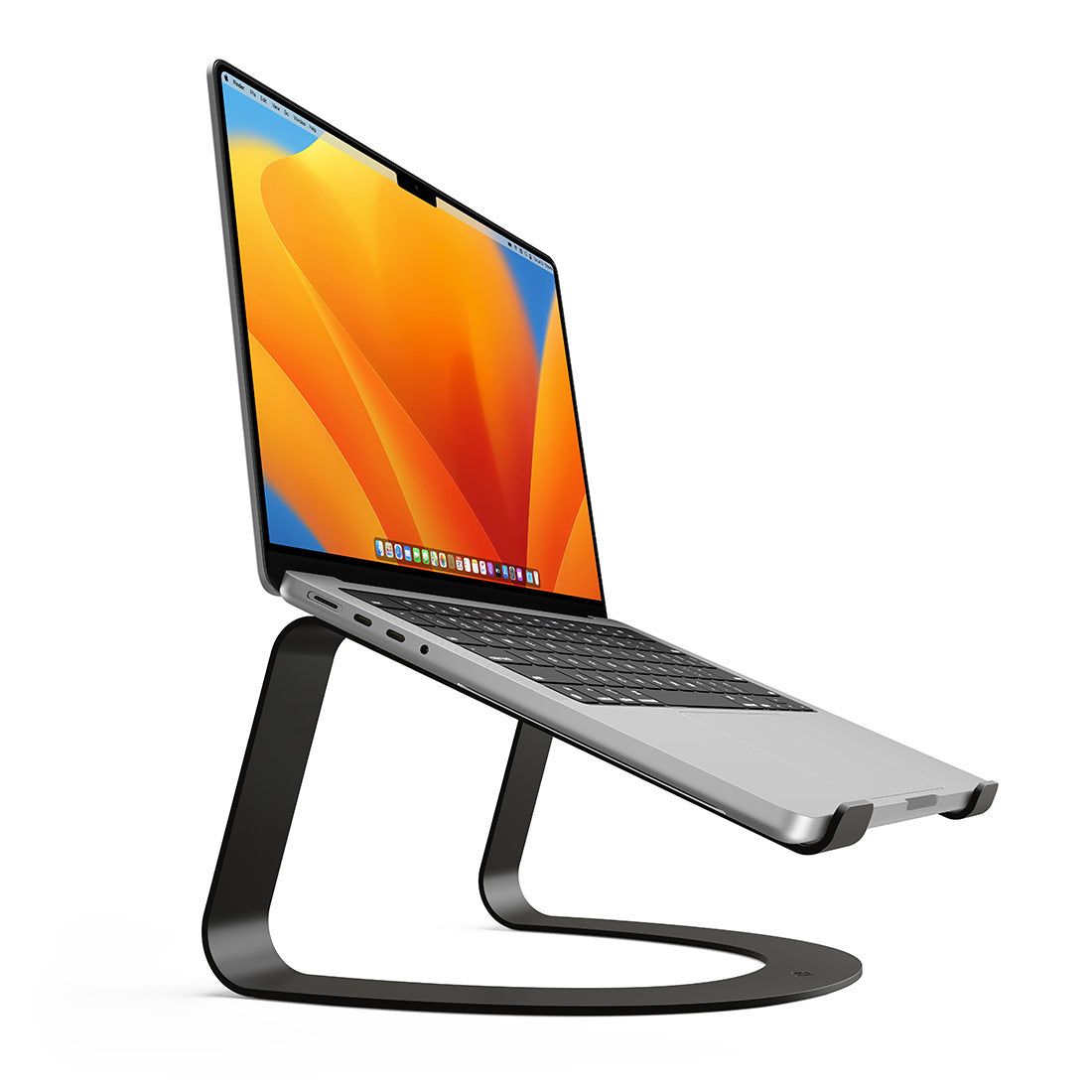
A $59.99 open-frame laptop stand that raises the screen and webcam to eye level and leaves a channel underneath. The maker says it is not for typing on, and that sentence should decide the purchase.

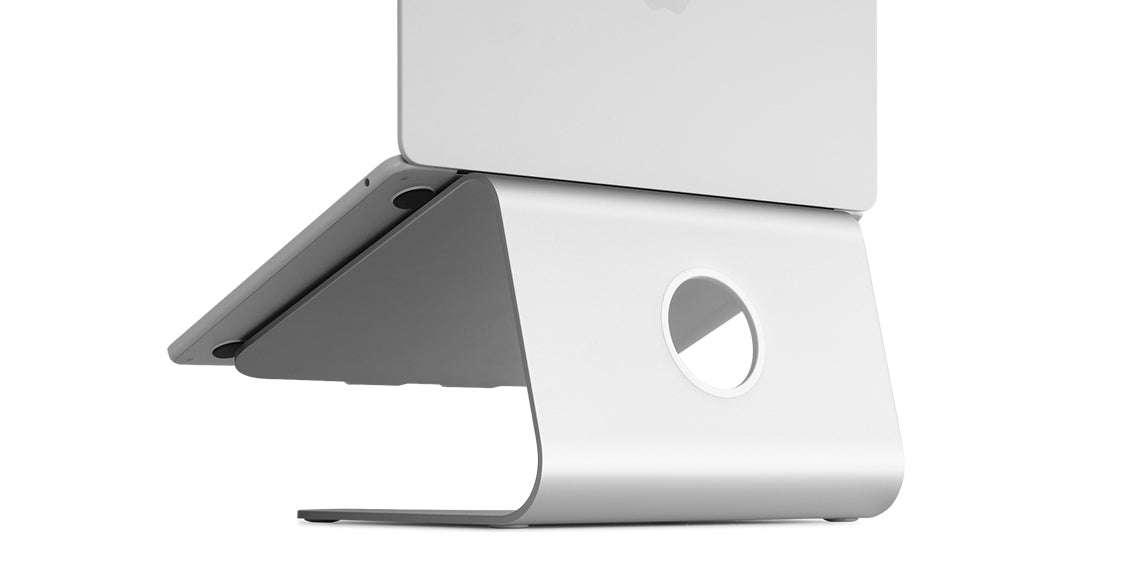
A $49.90 riser cut from one plate of 2.5 mm aluminum, with a fixed tilt and a 2 inch cable hole. Rain Design publishes the dimensions, the weight and a one-year warranty, and leaves the tilt angle unstated.

One number on a laptop's spec sheet, the wattage it charges at, sorts every USB-C charger, cable and power bank into useful or useless. Three reviewed products show where each lands.

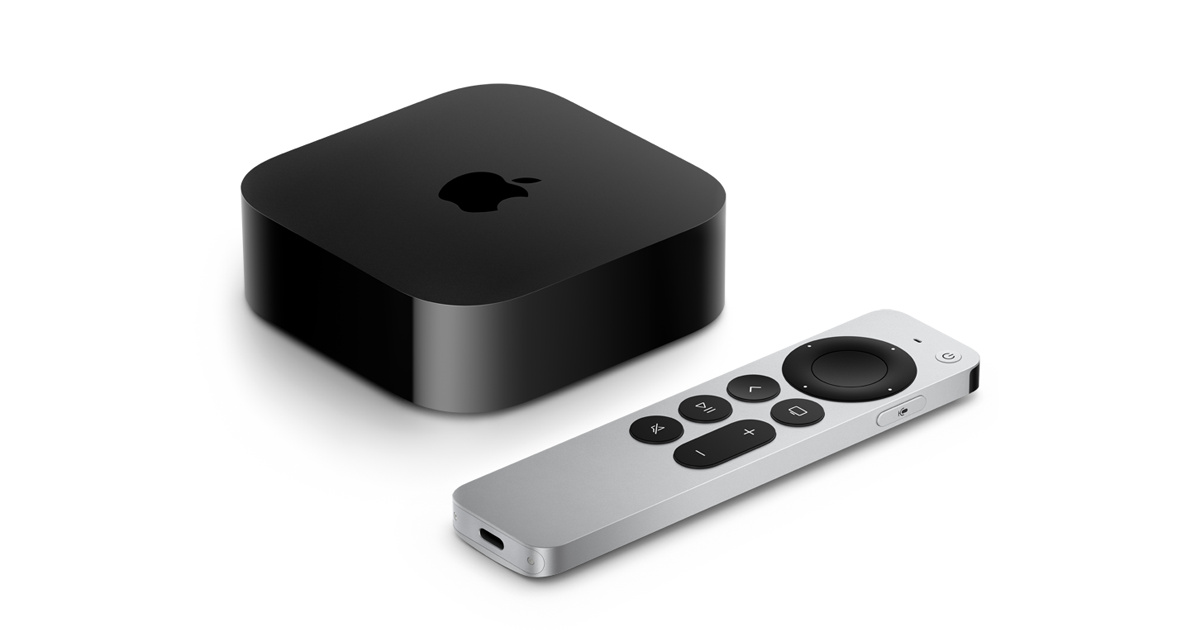
Apple's $199 Apple TV 4K adds tvOS, a HomeKit hub and FaceTime, not picture quality a current 4K TV lacks; only the $249 model adds Ethernet and Thread, and neither includes an HDMI cable.

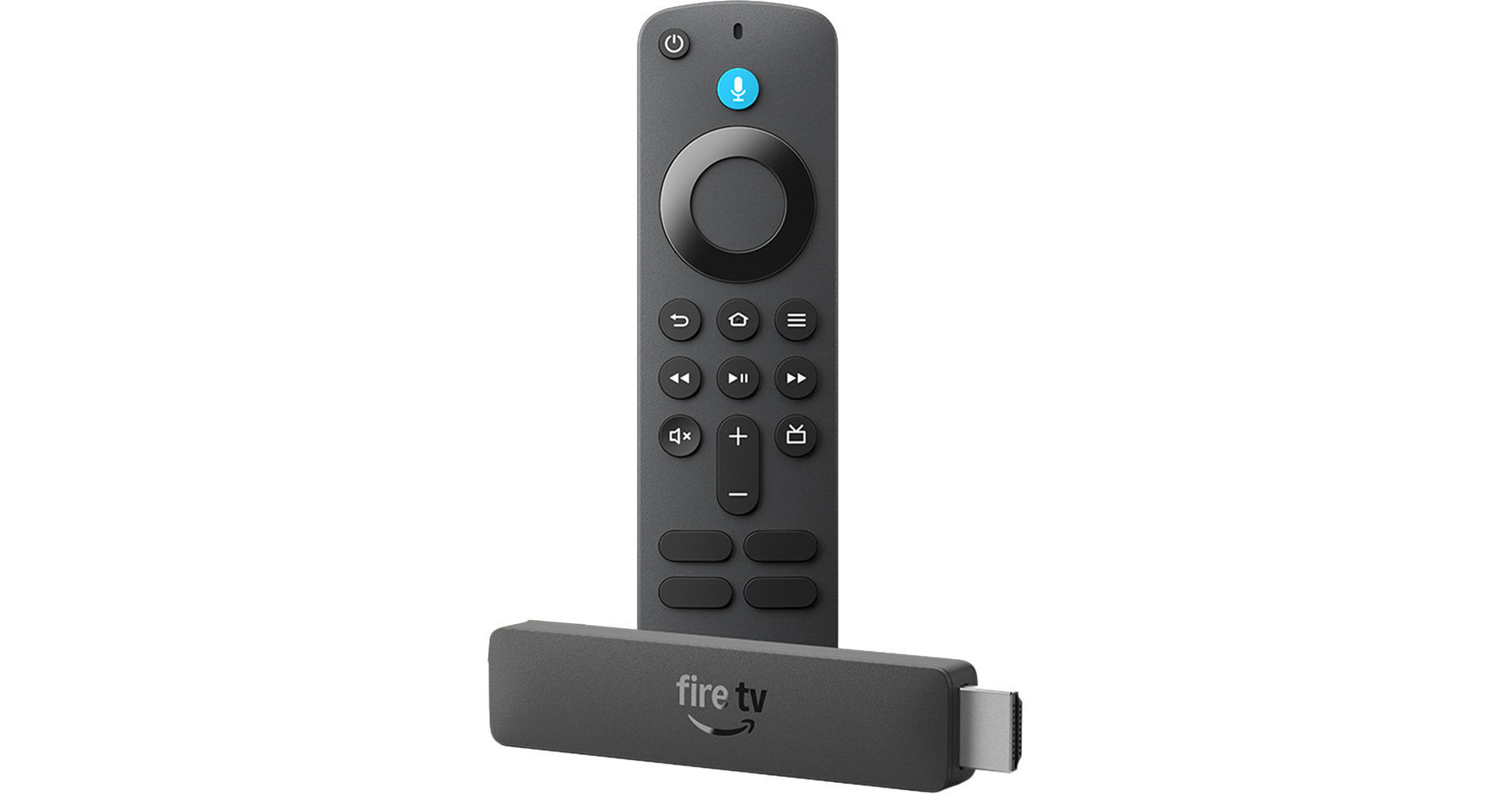
Amazon's lineup splits across two operating systems, and the 4K Plus is the cheapest stick keeping Fire OS, Dolby Vision and Atmos together. Its own price table prints a deal figure and a list figure in every column.

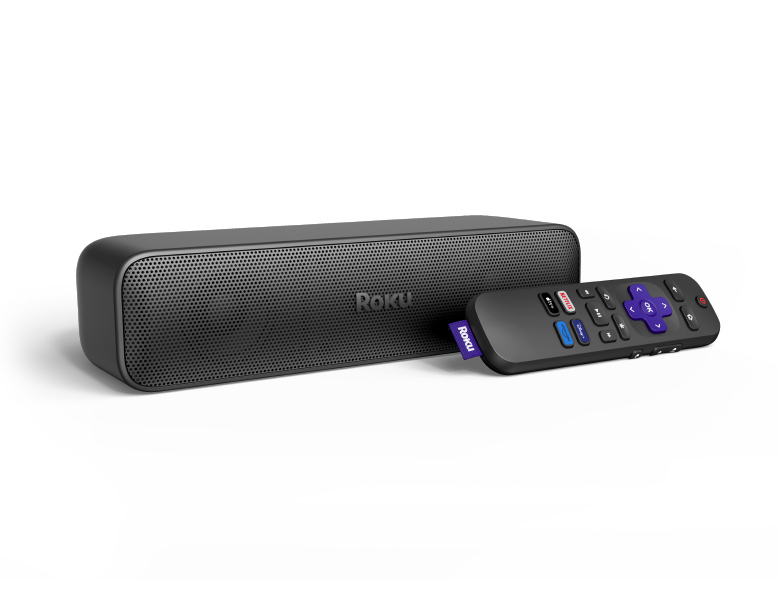
A 9.6-inch bar with two 1.9-inch drivers and a 4K HDR Roku player inside, listed at $149.99 and on sale for $99.99. It fixes muffled TV dialogue on a bedroom set; it does not replace a real soundbar.

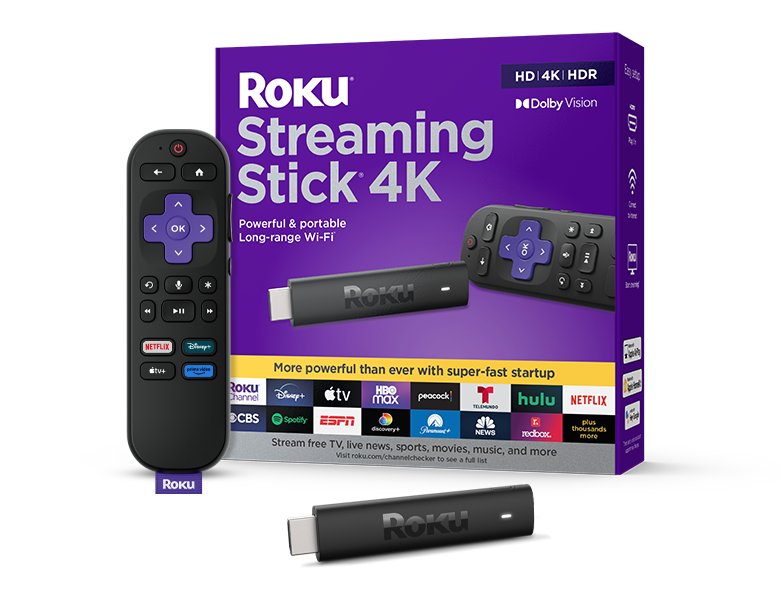
Roku sells three sticks between $39.99 and $79.99, and the top one adds Dolby Vision, an 802.11ac MIMO radio, and a receiver-in-the-cable that needs its own power adapter. Whether the extra $20 over the Streaming Stick Plus is money well spent comes down to your TV's HDR support and how far it sits from the router.

Buffering, thin sound and laggy input get blamed on the television because it is the screen. A router, a small speaker and a controller we have reviewed each show where the fault actually lives.

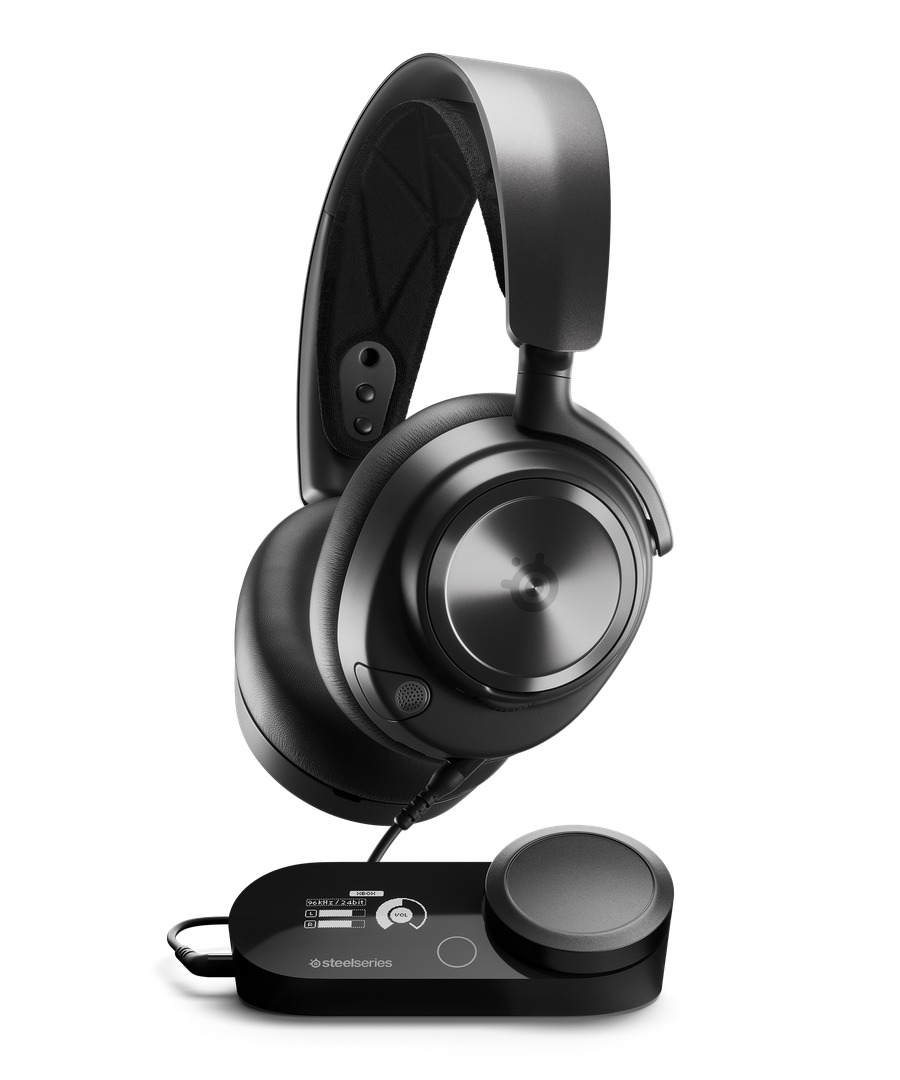
The wired Arctis Nova Pro for Xbox costs $214.99 and ships with the GameDAC Gen 2, whose 96 kHz/24-bit stage and two USB-C inputs are what the money buys; the headset itself stays tethered.

Buy the $349.99 Quest 3S 128GB as a first headset. The $100 step to 256GB buys storage alone; the $599.99 Quest 3 changes the optics, not the game library.

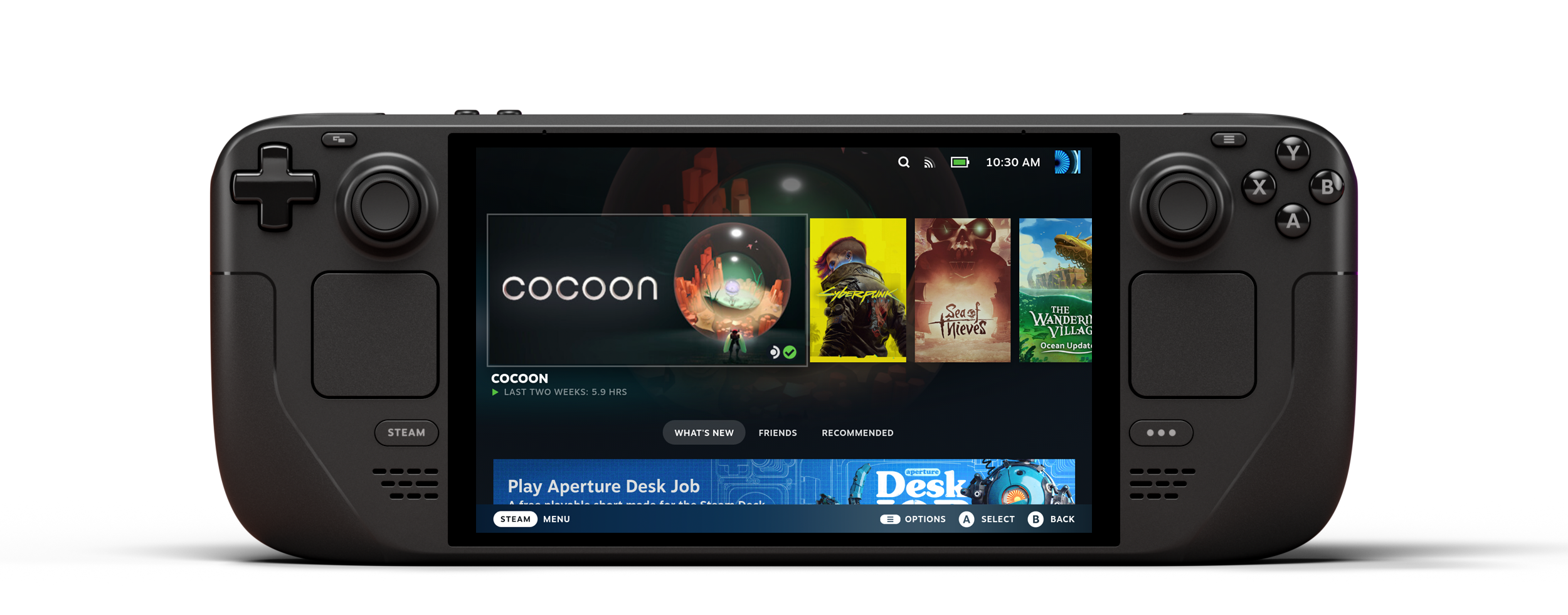
Valve now sells the OLED Steam Deck in two US tiers — $789.00 for 512GB, $949.00 for 1TB — and the $160 step buys etched glass, a lined case and doubled storage, not a faster machine.

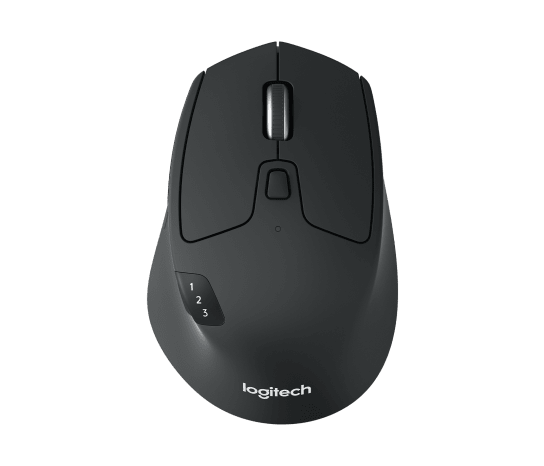
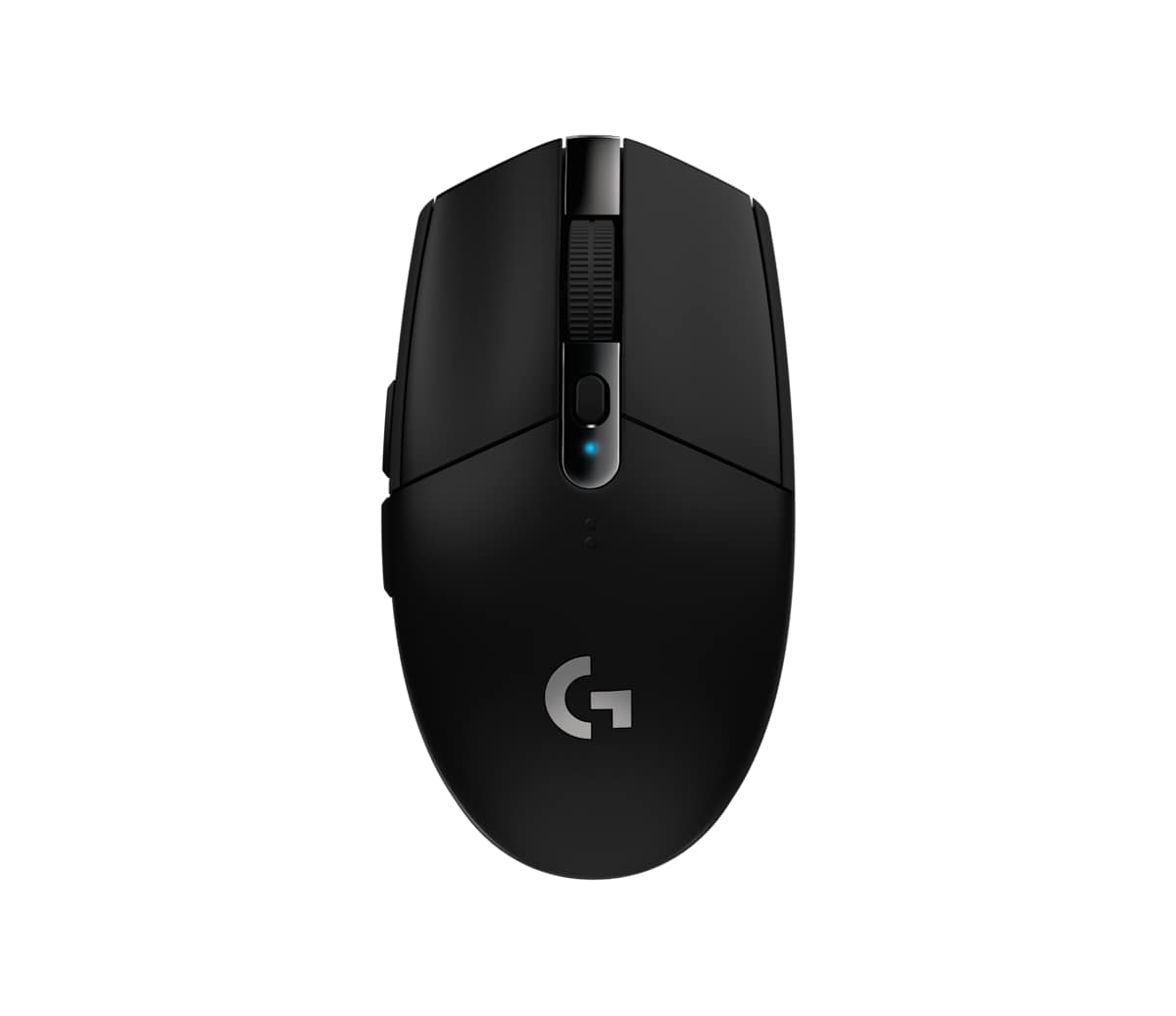
Logitech's entry wireless gaming mouse pairs the HERO sensor with a 1 ms receiver and a single AA cell, and lists at $59.99 in every color. The battery is the whole design, for better and for weight.

For $59.99 the Ultimate 2 Wireless adds TMR joysticks, switchable Hall effect triggers, back paddles, a 1000 mAh battery, and a charging dock over the $29.99 Ultimate 2C. The compatibility list grew to include SteamOS and Apple, but Xbox, PlayStation, and Switch are still absent.

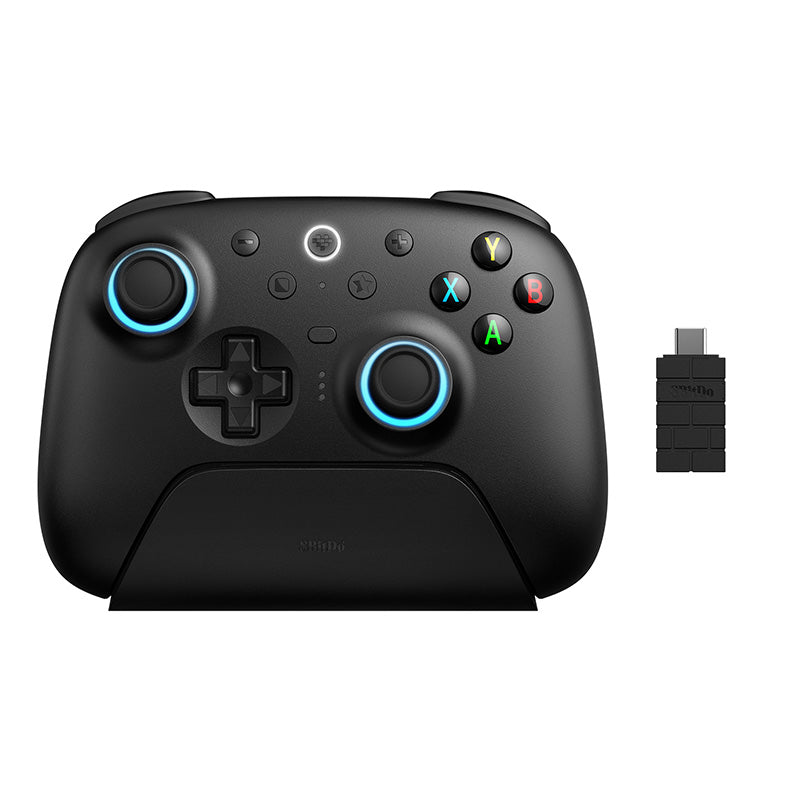
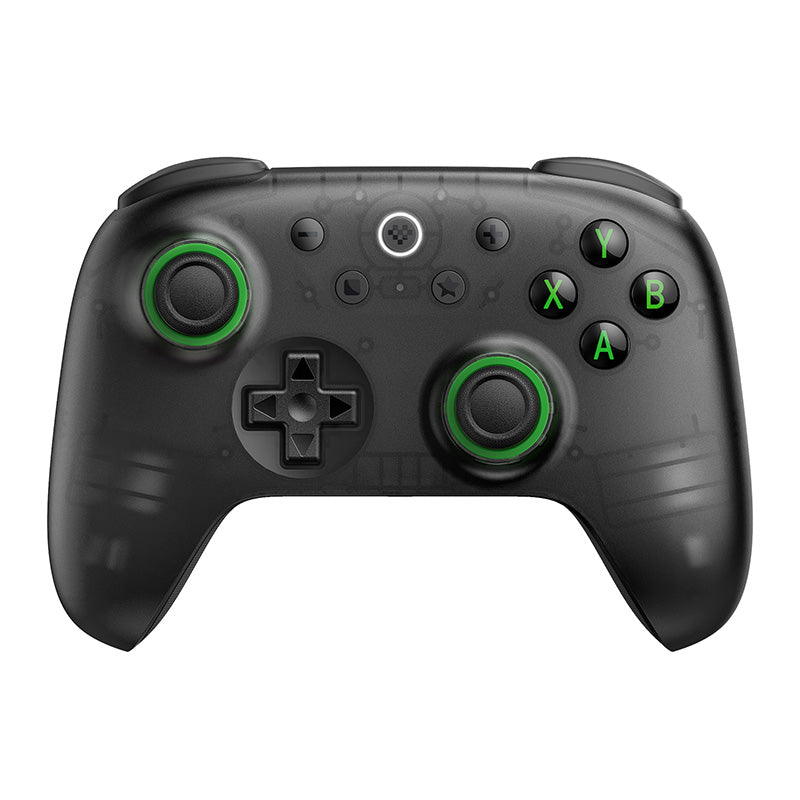
For $29.99 you get Hall effect sticks, 1000 Hz polling over 2.4G, and a 19-hour battery claim. The compatibility line reads Windows and Android, and 8BitDo sells a different Ultimate 2C for Switch.

The Ink is the only Aura frame you can hang where there is no outlet, and the only one capped at twelve photo changes a day. At $499 it costs $200 more than the 15-inch Walden, which plays video.

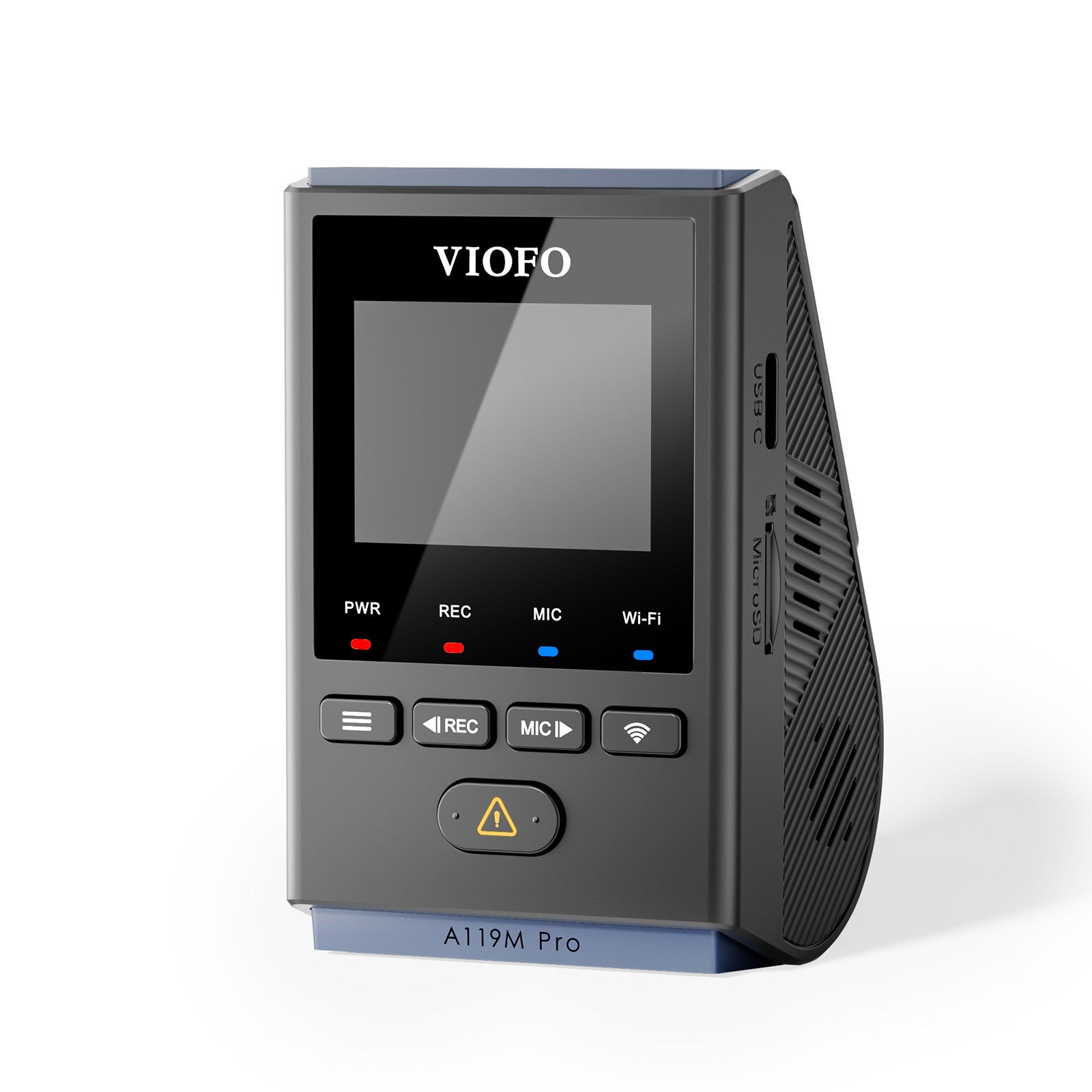
VIOFO's single-channel camera, $159.99 from its own Amazon store, records 4K from a 1/1.8-inch STARVIS 2 sensor and includes the polarizing filter; parking mode adds a hardwire kit, a card and a trip to the fuse box.

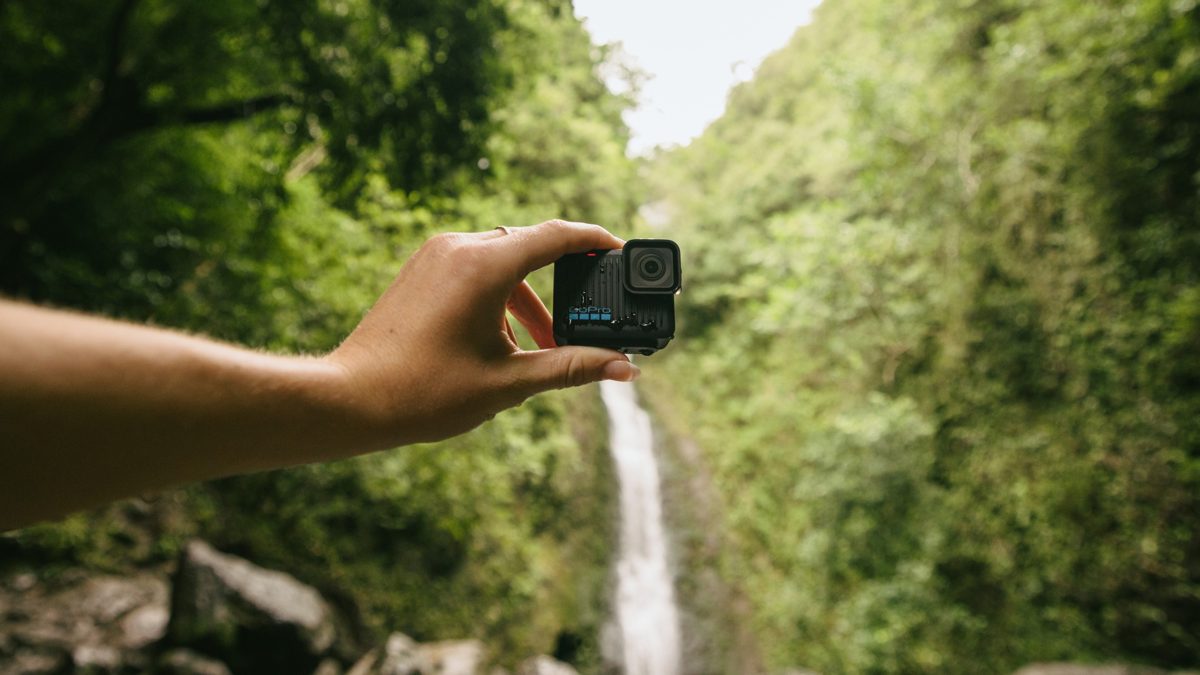
GoPro's 86-gram HERO shoots 4K30 and 2.7K60 for $204.99, with a sealed battery, a single rear screen and stabilization that only exists after the footage passes through the Quik app. It is the right GoPro for a specific person and a frustrating one for everybody else.

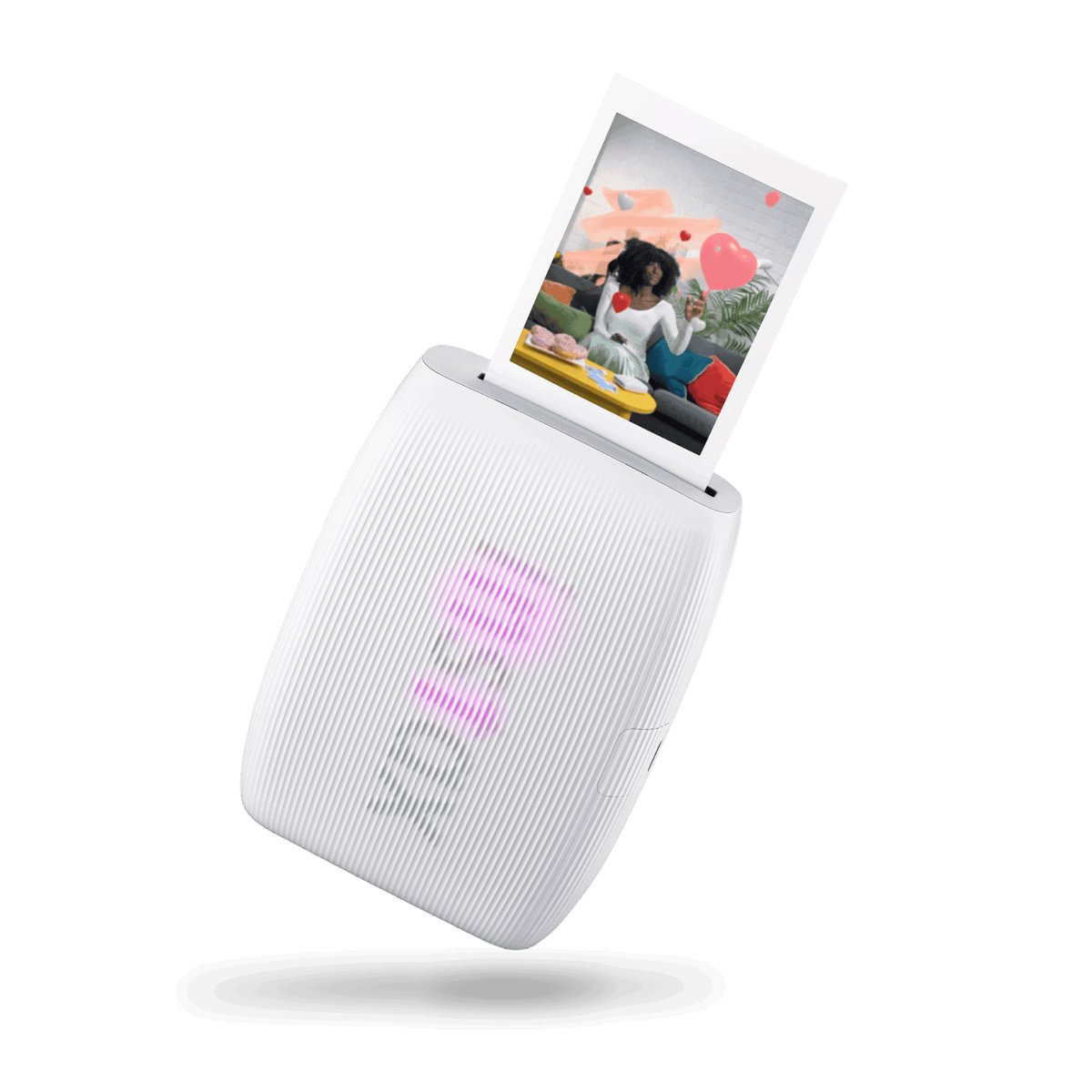
A $116.95 Bluetooth printer that puts phone photos on $1.20 instax mini sheets. The film math is the same as the mini 12 camera's, so the extra $23 buys the ability to choose the shot before you pay for it.

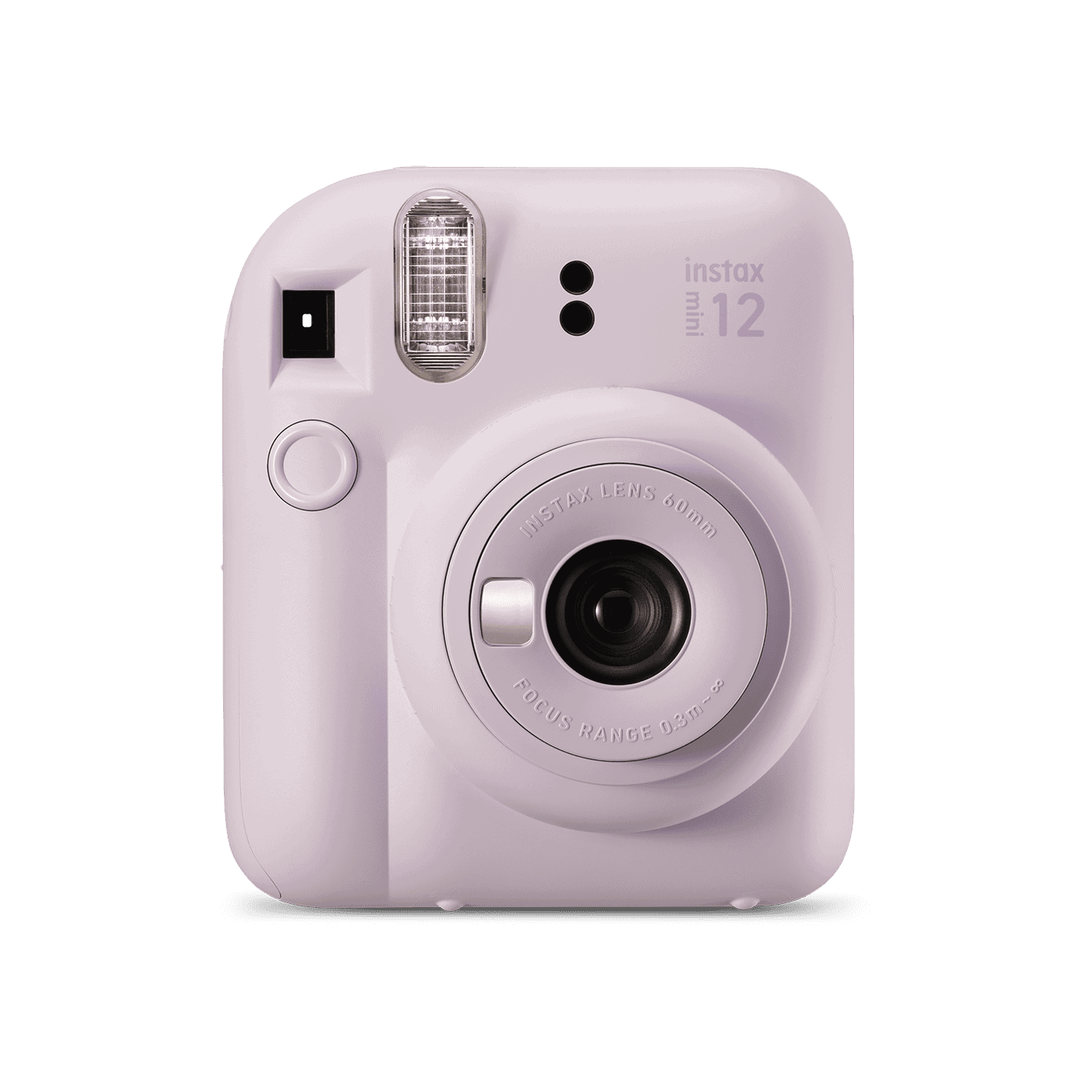
A $93.95 automatic instant camera whose film lists at $23.99 for 20 prints. By the time the first set of AA batteries runs down, film has cost more than the body did.

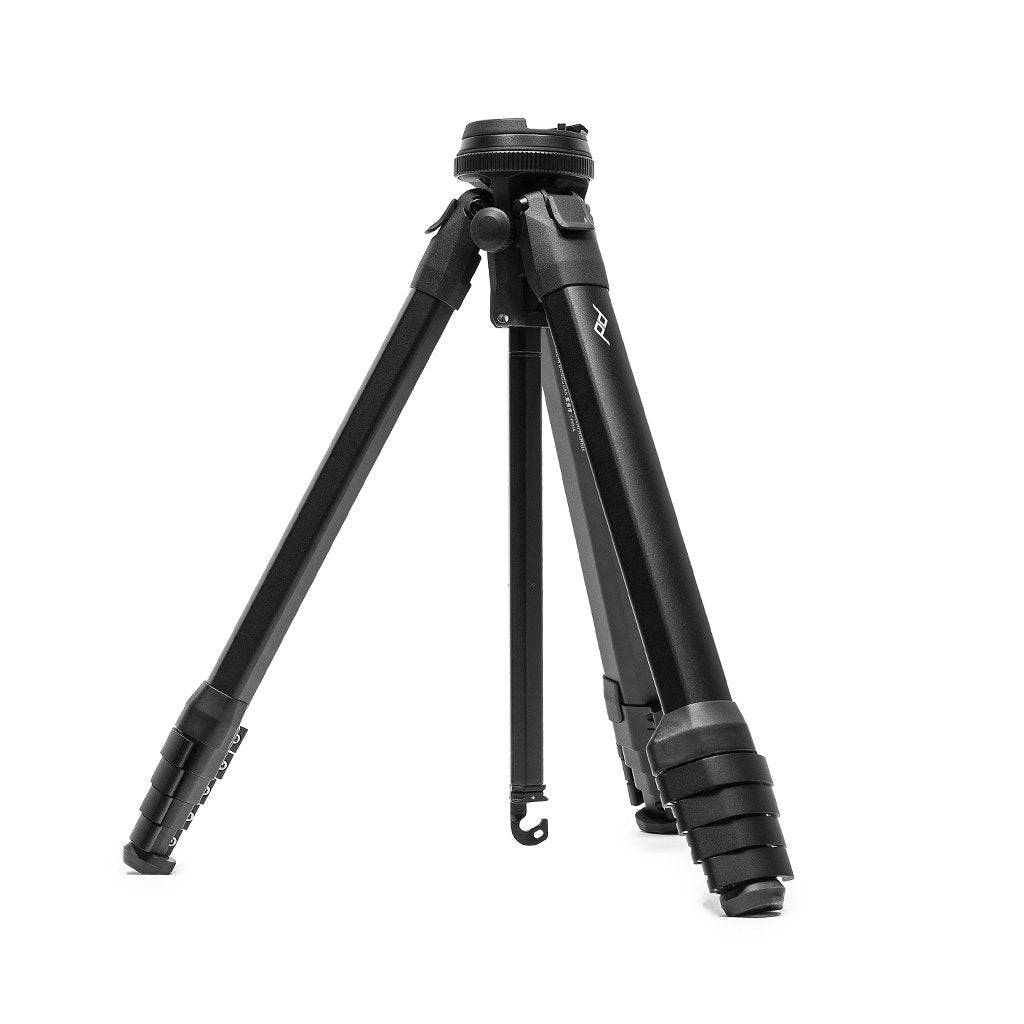
Buy the $399.95 aluminum Travel Tripod if it has to fold into 15.5 by 3.25 inches and still hold a full-frame camera at 60 inches. In a car or studio, the fold buys nothing.

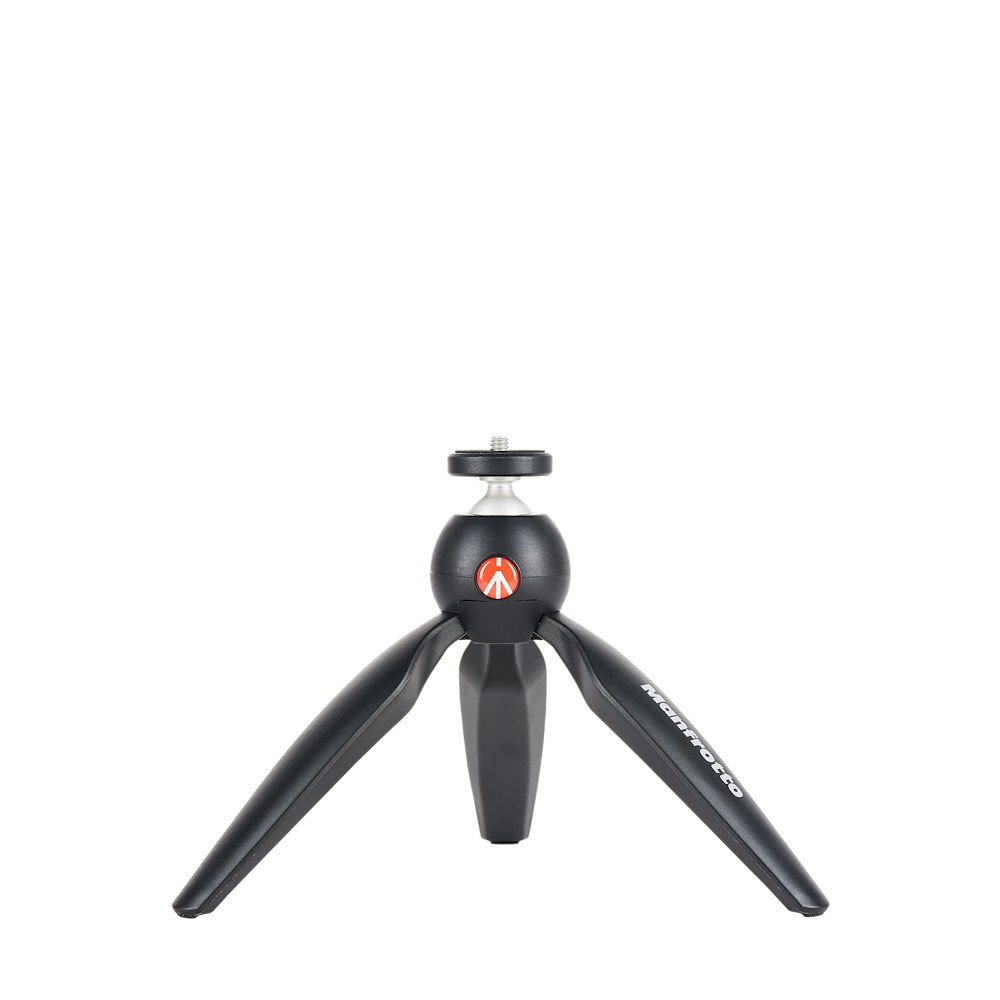
A 170-gram, single-height tabletop tripod with a push-button ball head and a 1 kg payload rating, made in Italy and sold only through retailers, where B&H lists it at $29.95. Rigid legs are the feature and the limit.

A $35.99 pocket tripod that carries the same 1 kg rating as Joby's GorillaPod 1K Gen 2 at a third of the weight, trading flexible legs for a telescoping pole, a cold shoe and a hidden hook that hangs the camera off a fence.

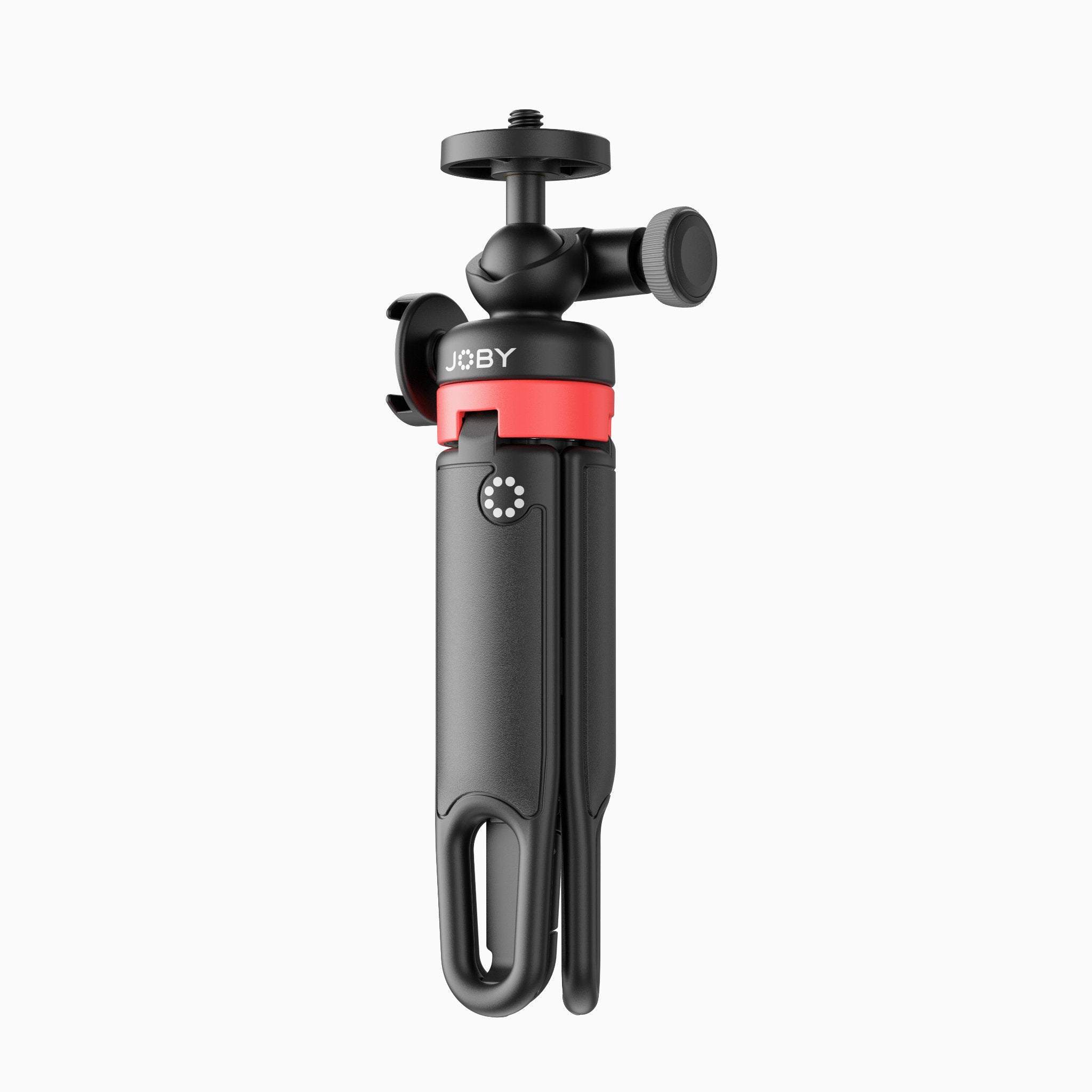
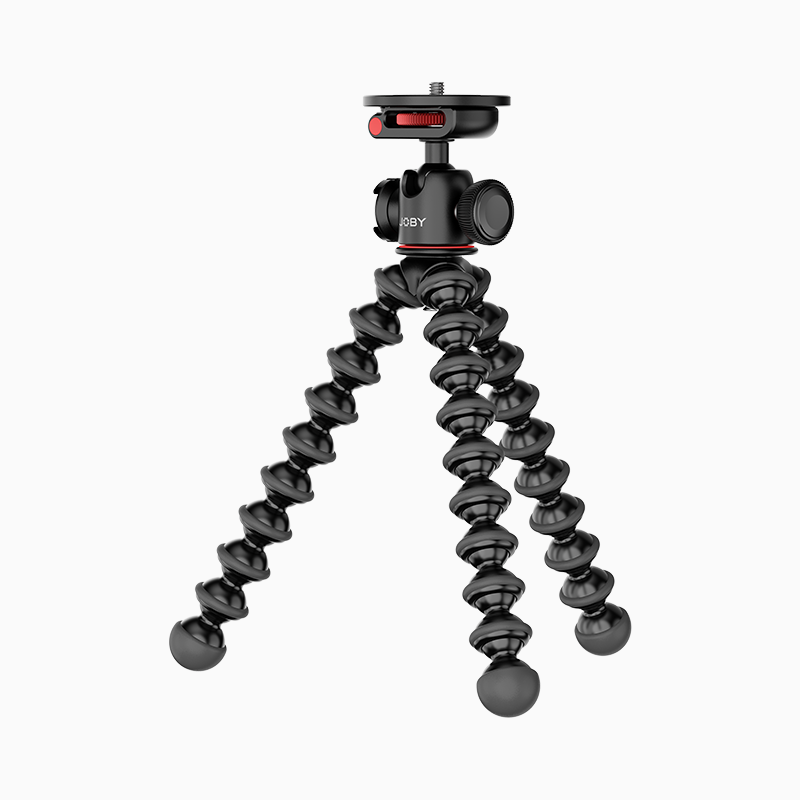
A $45.99 flexible tripod, marked down from $49.99, rated by Joby to hold 1 kg on a ball head that takes a camera and a magnetic phone together. Whether it fits your kit comes down to a kitchen scale.

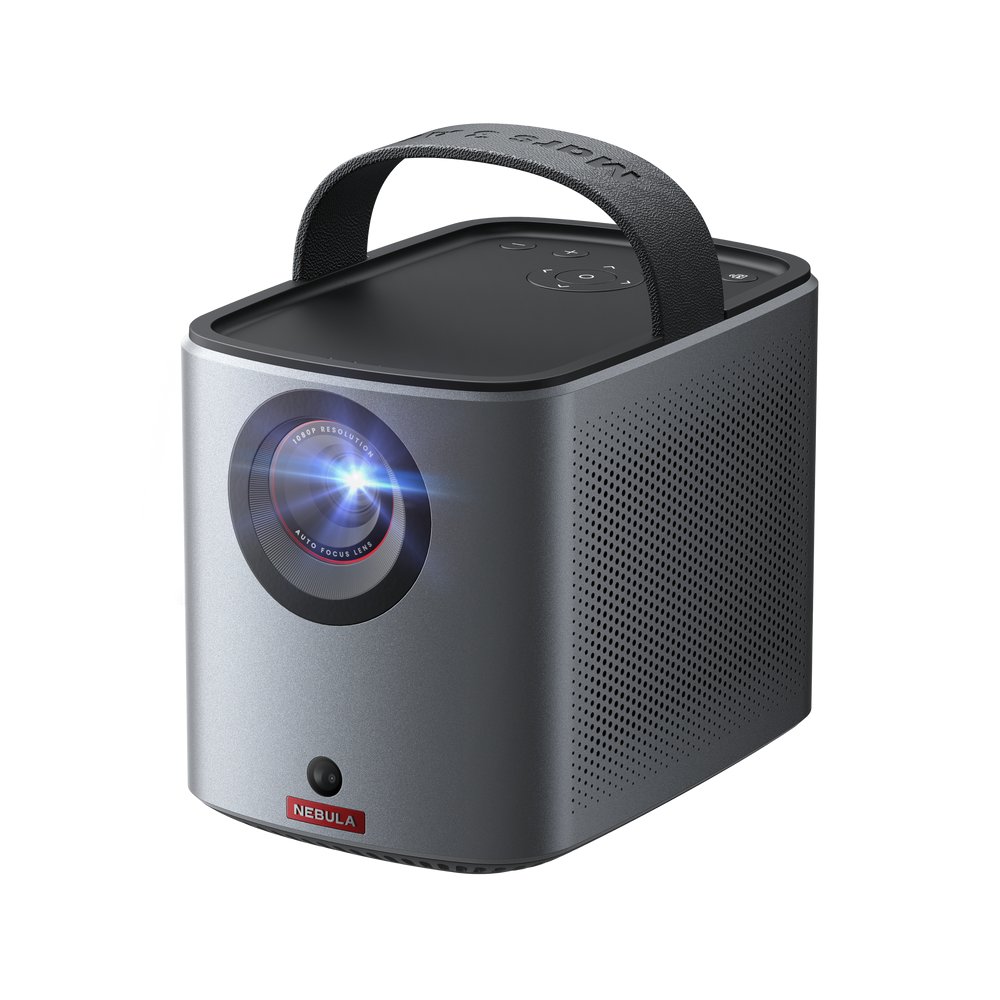
Anker's mid-size battery projector pairs 400 ANSI lumens and stereo 8 W speakers with Google TV and Netflix at $599.99. It is the sensible step up from the Capsule 3, but the runtime footnote and the 12-month warranty carry over unchanged.

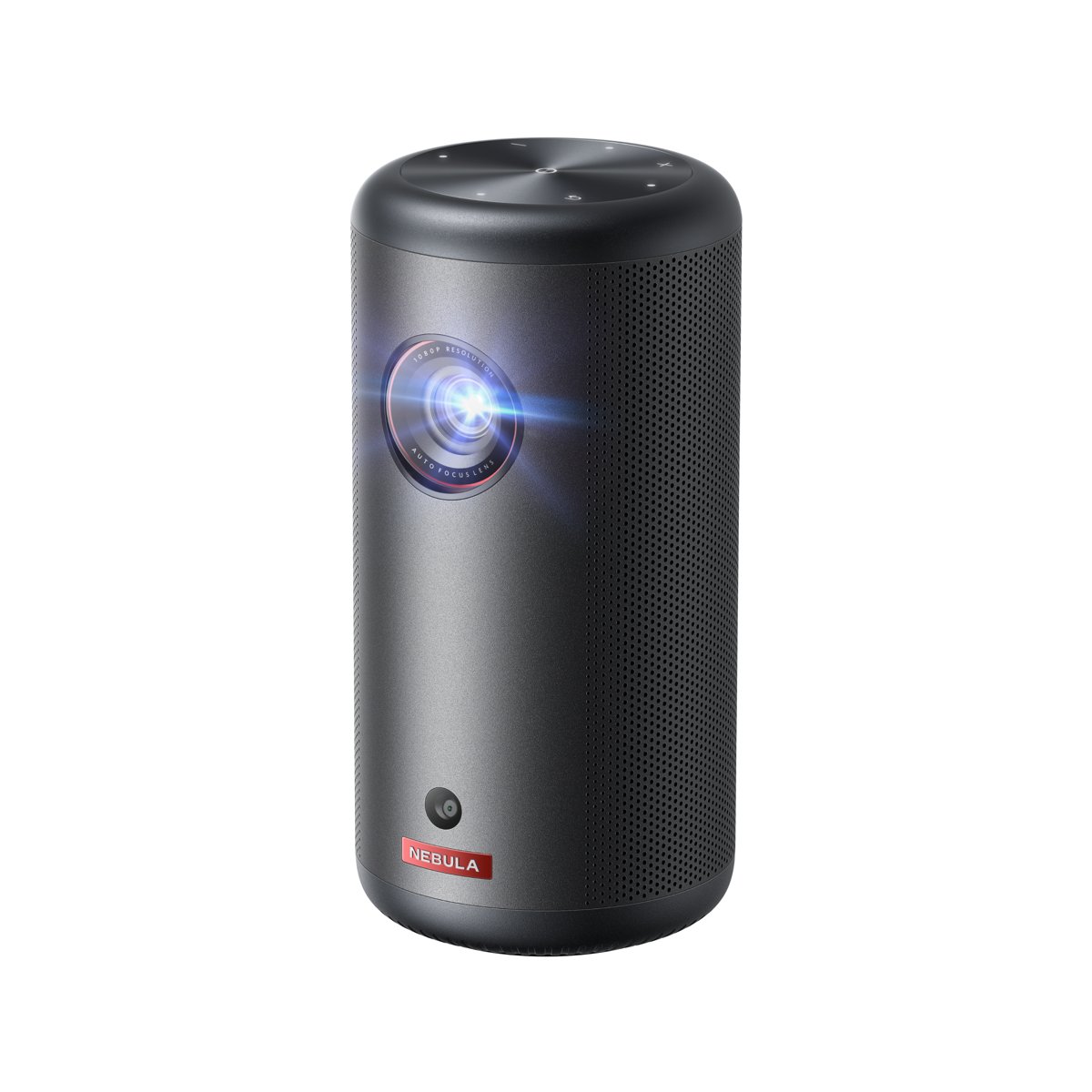
Anker's can-sized Google TV projector lists at $529.99, or $399.99 with a code on its own page. It weighs 850 g, runs 2.5 hours in Eco mode, and puts out 200 ANSI lumens, which decides where it can be used more than any other number on the page.

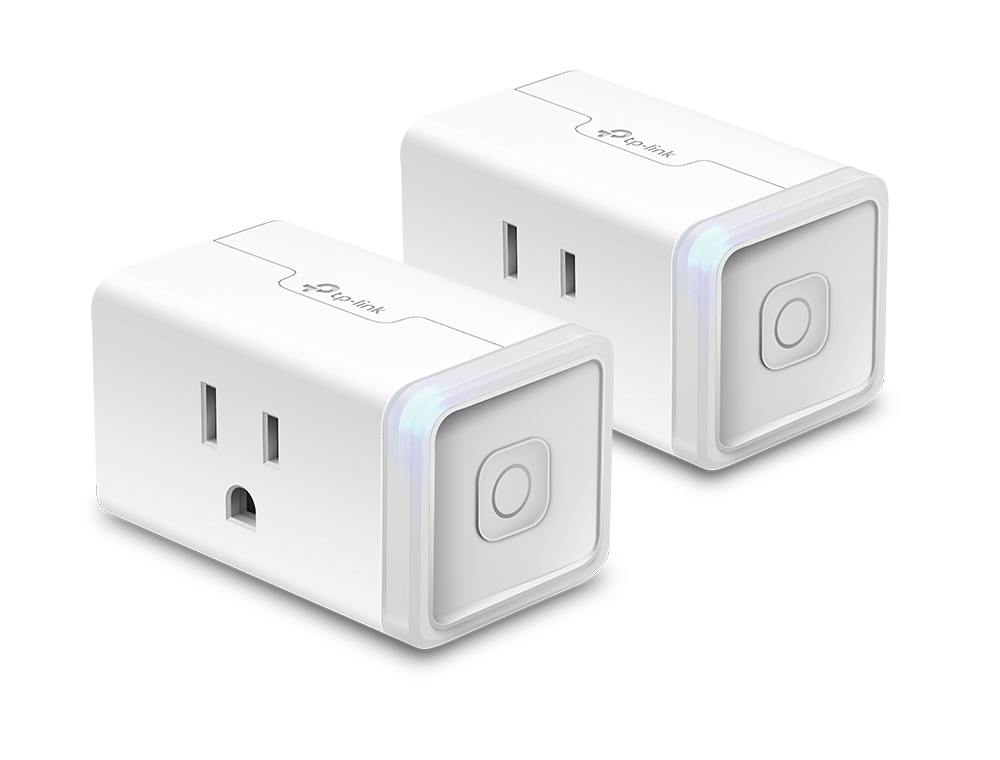
A projector is bought for the size of the picture and lived with through the room around it: how dark it gets, what carries the sound, and where the film actually comes from. A smart plug, a small speaker and a memory card each answer one of those before the projector is chosen.

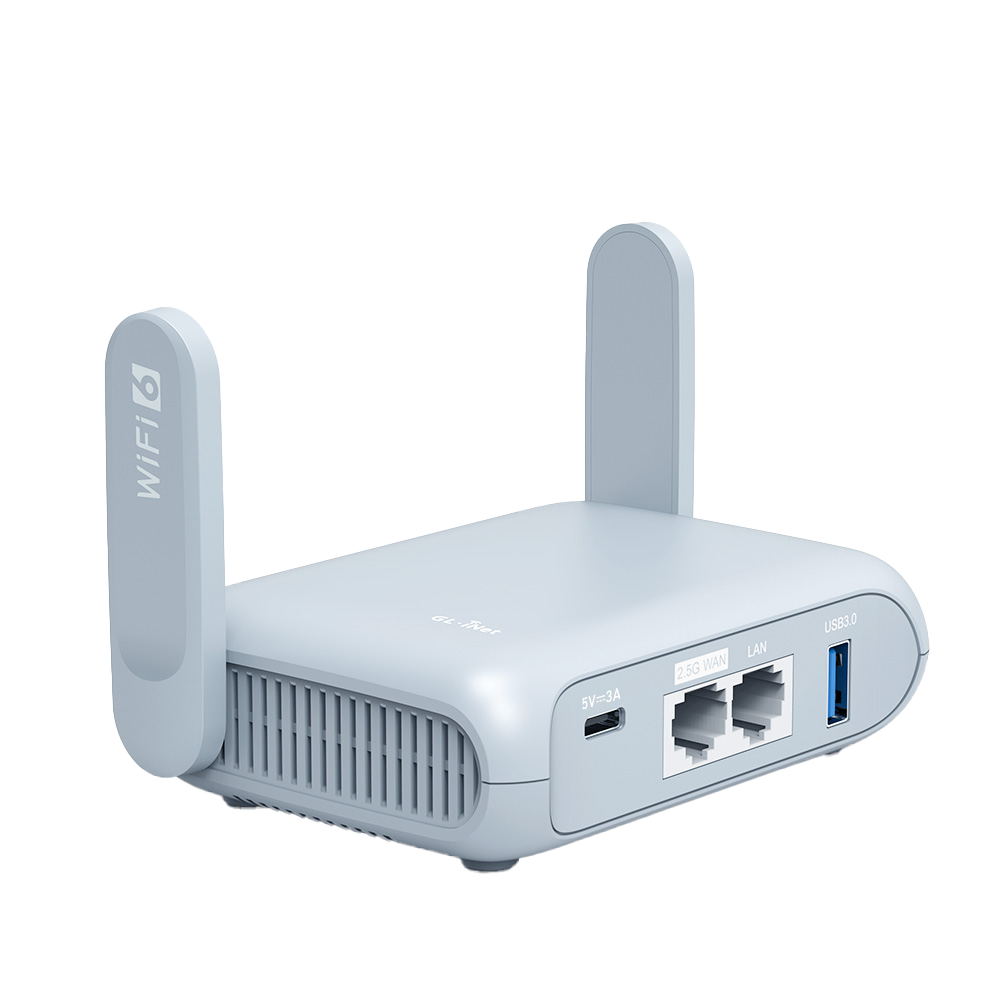
At $98.99 the Beryl AX puts your own network behind hotel Wi-Fi; the $129.99 Beryl 7, which GL.iNet calls its upgrade, earns the extra $31 mainly with WireGuard rated at 1,100 Mbps against 300.

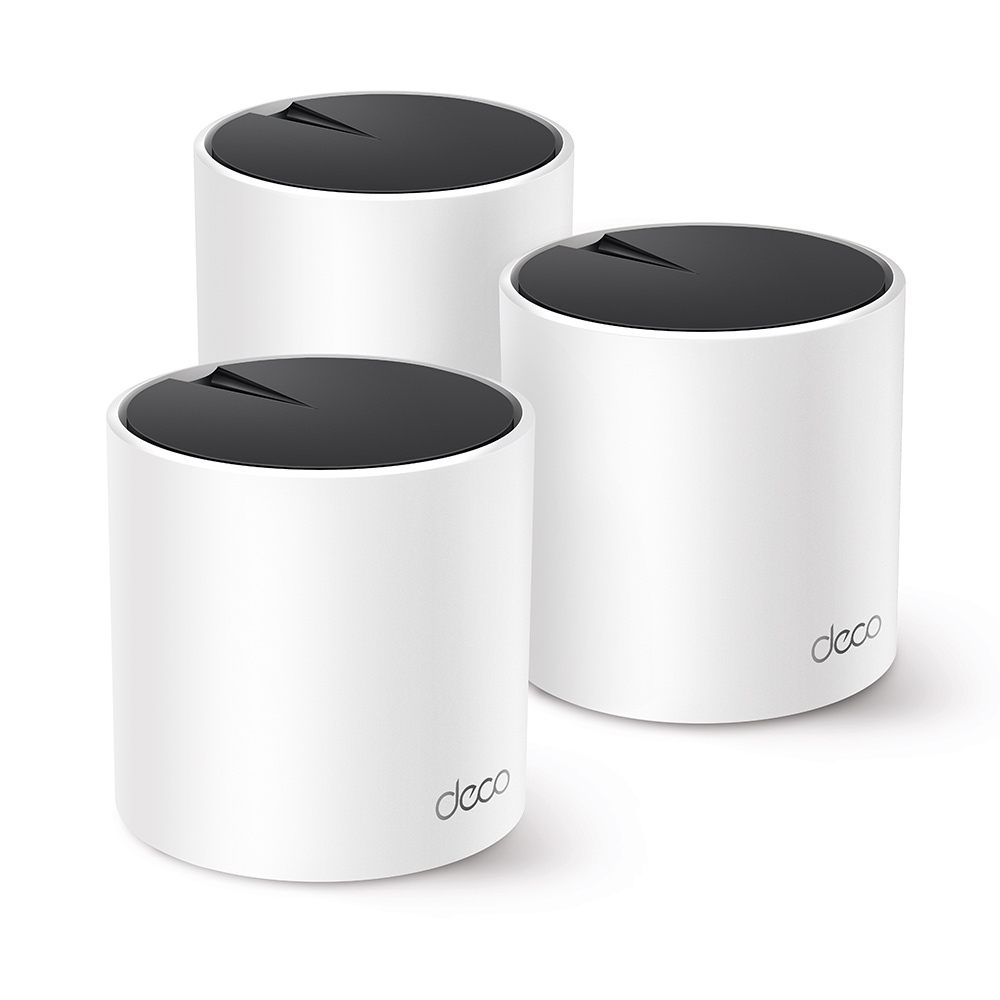
Three AX3000 Wi-Fi 6 nodes, three gigabit ports on each, wired backhaul if you have the cable runs, and no price on TP-Link's own site. For a house with dead rooms it is the sane alternative to a bigger single router.

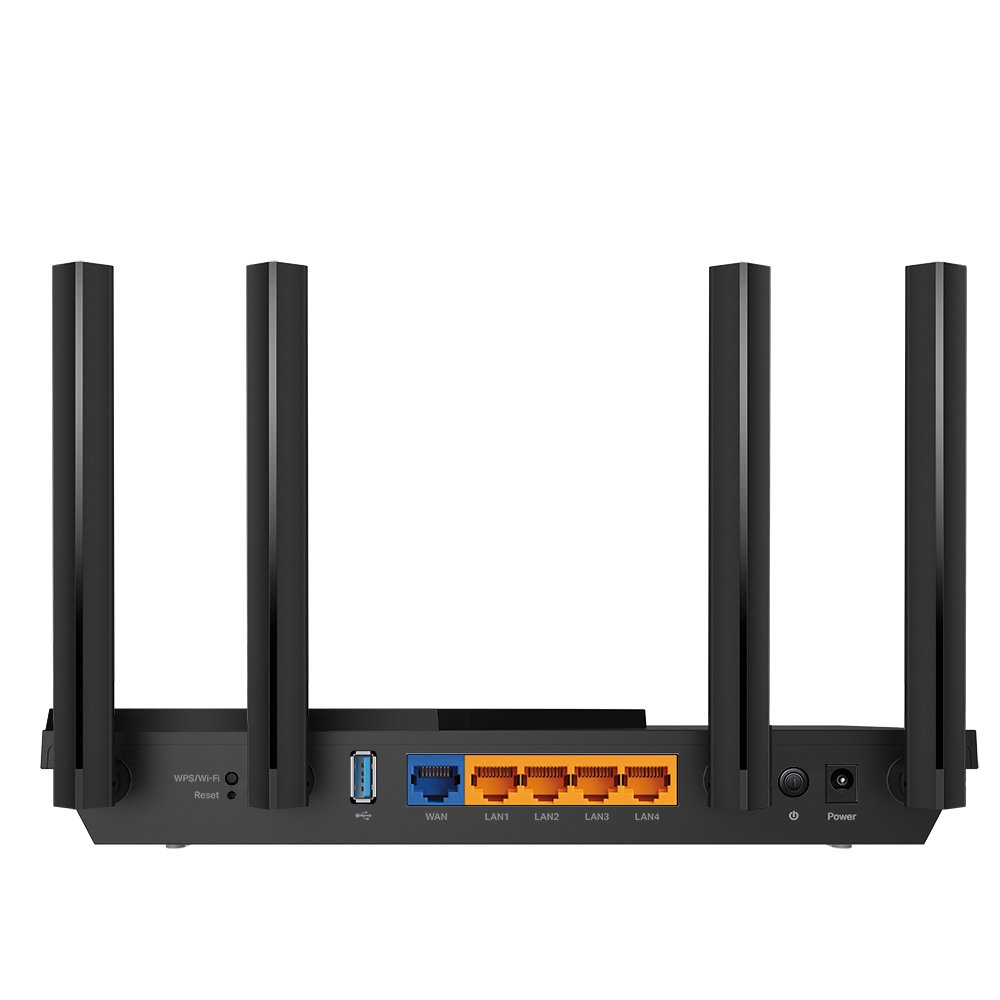
A dual-band AX3000 router with gigabit ports, 160 MHz channels, and a free HomeShield tier, sold at about $100 through Amazon because TP-Link's own page lists no price. The catch is that TP-Link's US listing, the datasheet, and the firmware downloads describe two different hardware revisions.

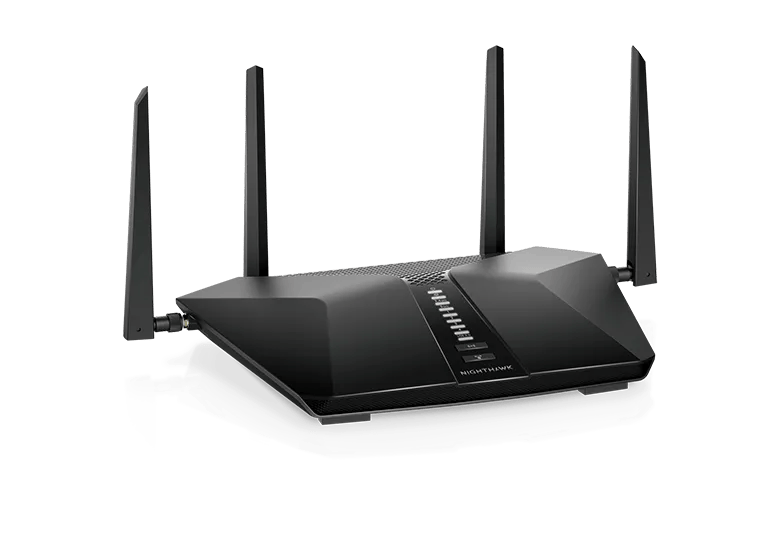
A $249.99 Wi-Fi 6 router whose 4.2 Gbps rating is a sum of two radio maximums, and whose security bundle carries a yearly fee once the included period runs out.

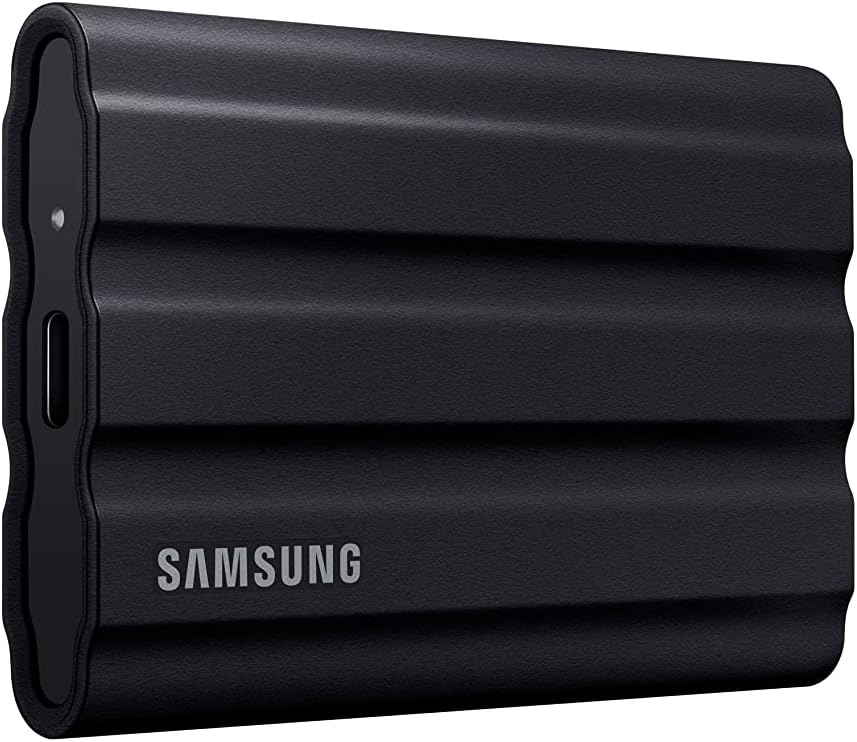
At $266.99 for 1TB, Samsung's rubber-clad SSD only makes sense if certified dust, water, and drop protection is what you are actually paying for.

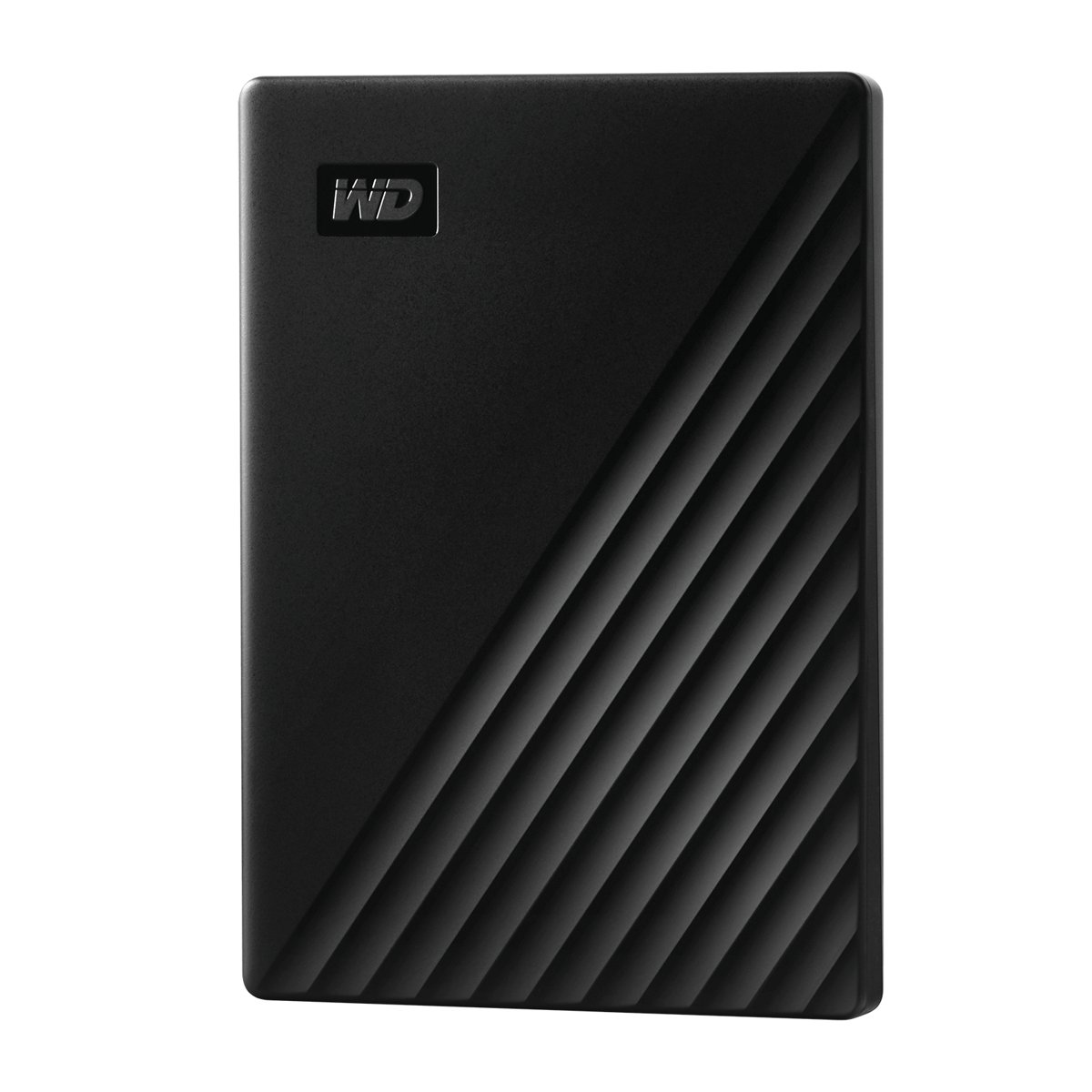
A slim 2TB portable hard drive on a 5 Gb/s Micro-B connection, listed direct by WD at $209.99 with a three-year term. The capacity math still favors it over a portable SSD, but the margin has shrunk to ten dollars at 1TB versus 2TB.

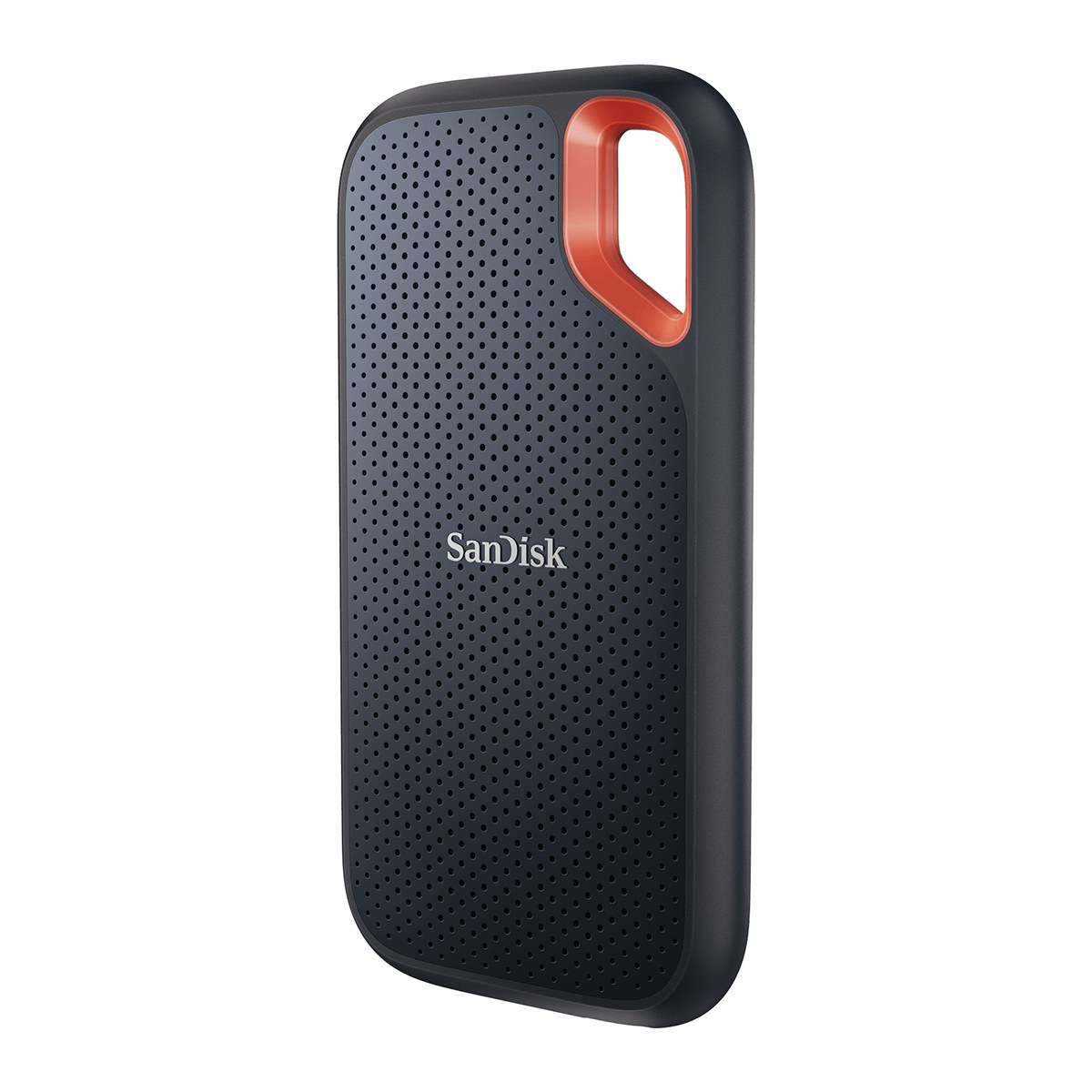
A USB 3.2 Gen 2 pocket SSD rated for 1050 MB/s reads, IP65, and three-meter drops, with five years of warranty backing and a $219.99 sale price against a $282.99 list. The password protection SanDisk advertises is desktop-only, and a newer V3 version sits beside it on the same page.

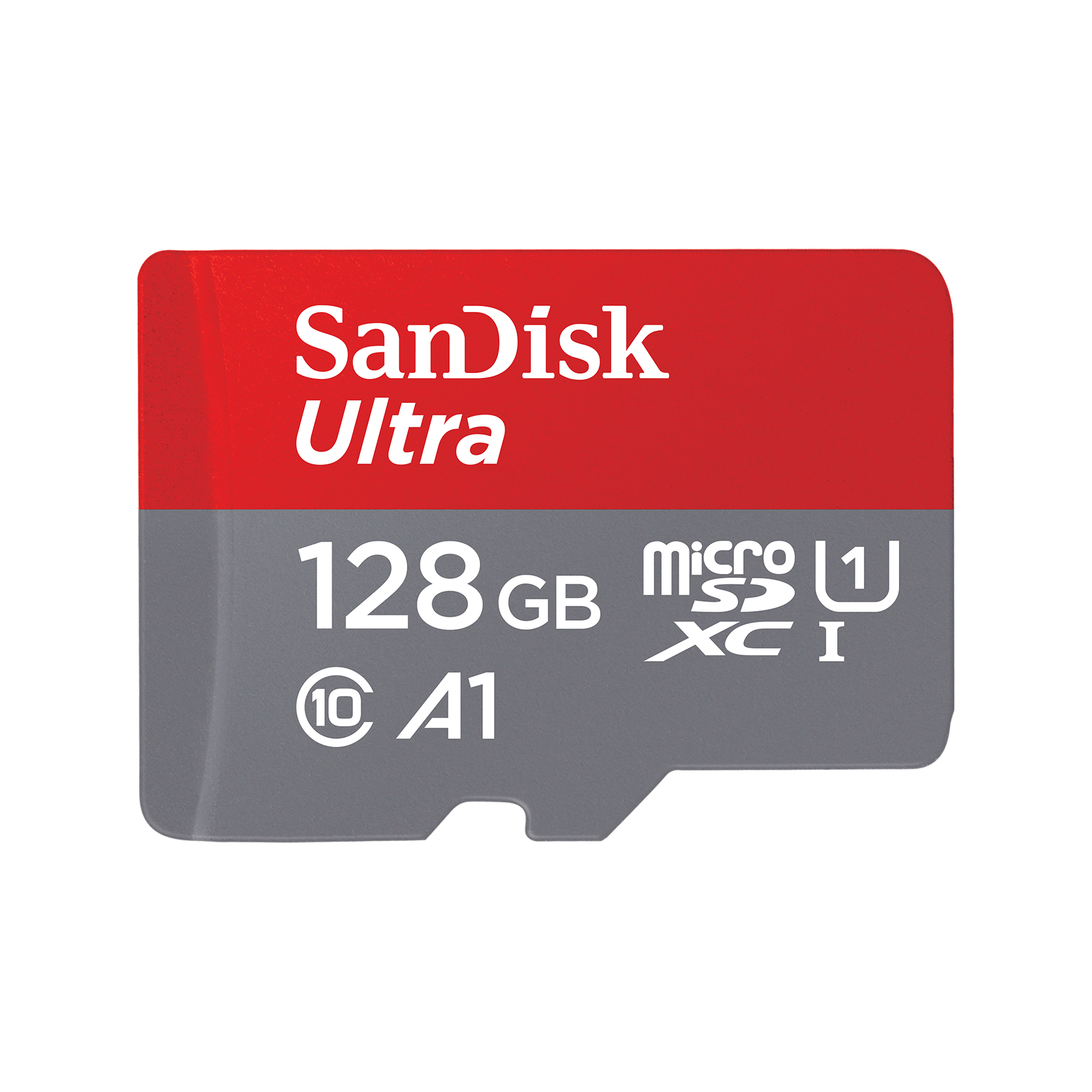
The 140 MB/s printed on the package is a read ceiling measured with a separate reader. The write floor the card actually promises is 10 MB/s.

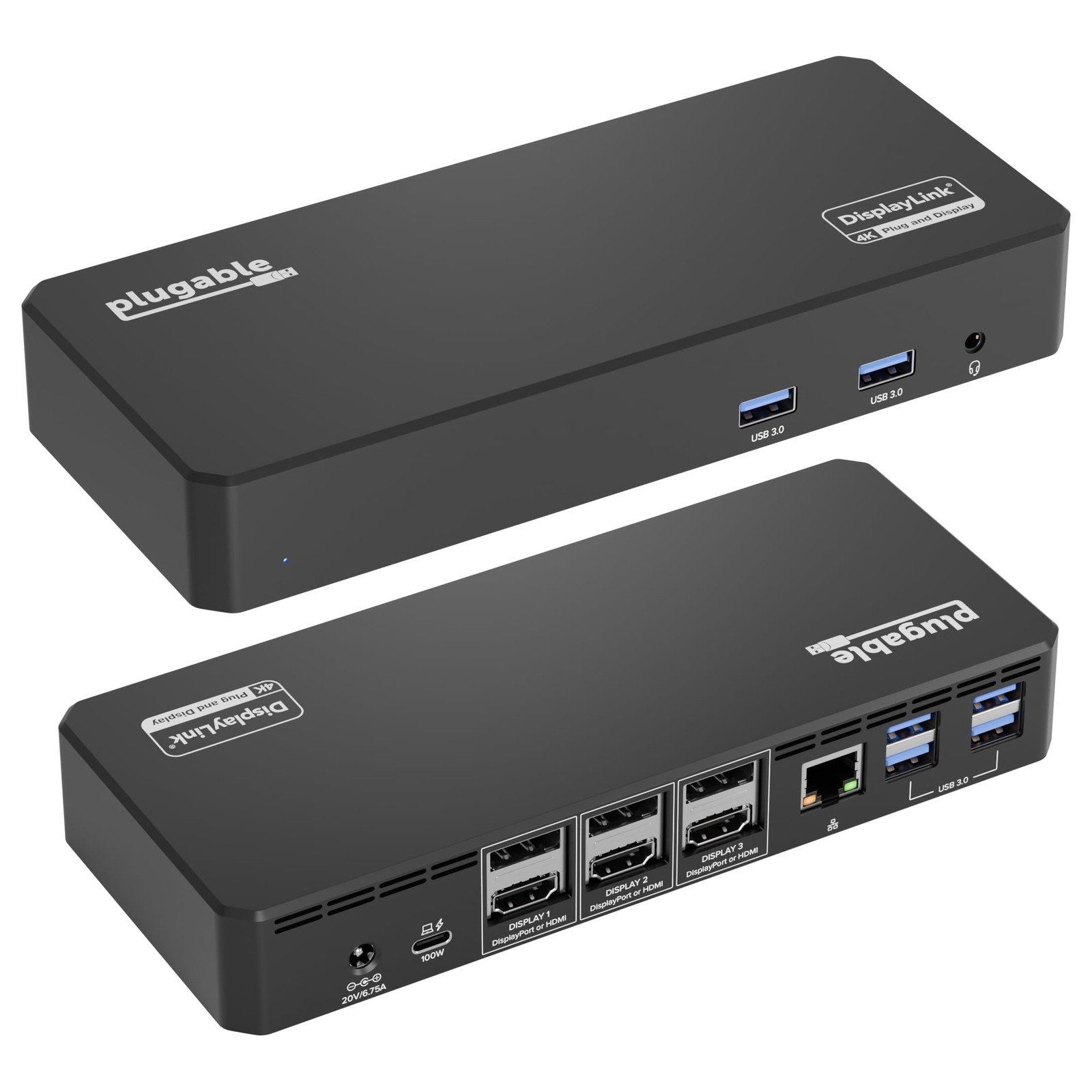
A $229.99 USB-C dock that pairs the laptop's own video output with DisplayLink to give it three extended 4K screens, and the maker's own warning that games, full-screen video and video editing may not work through it.

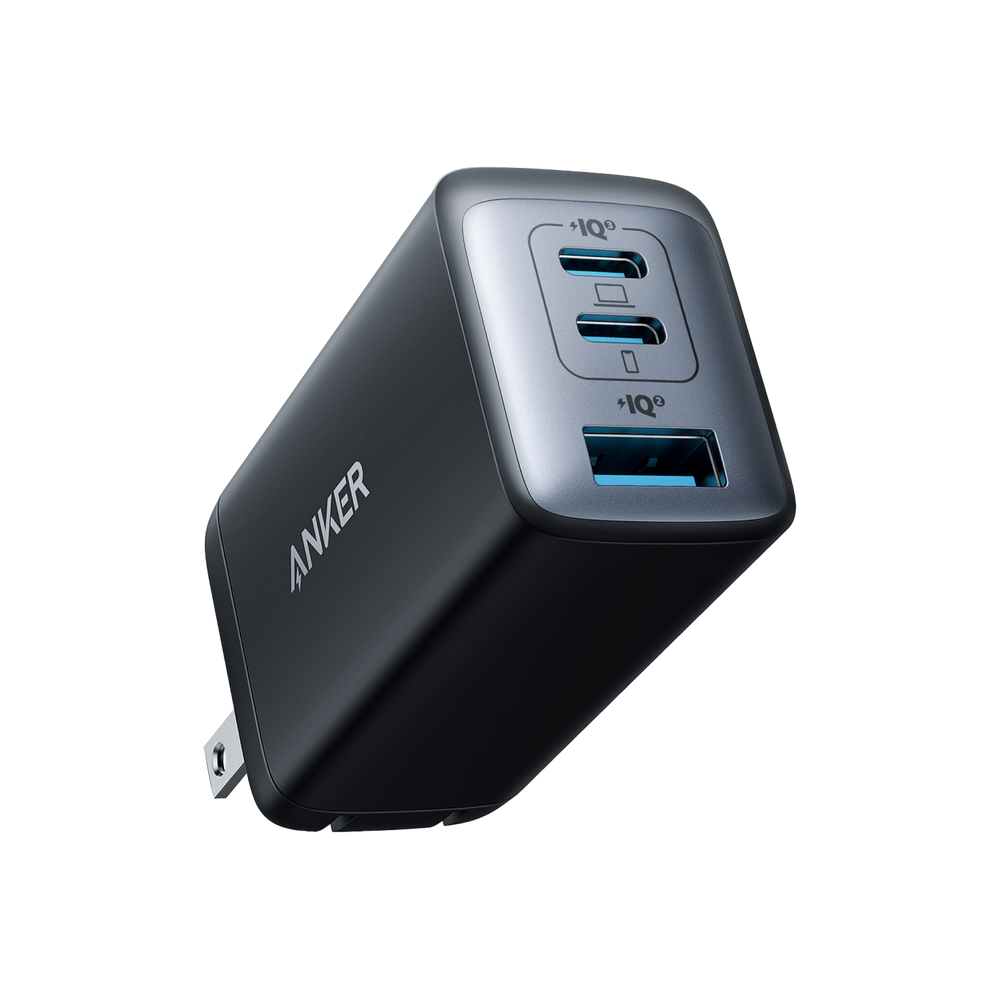
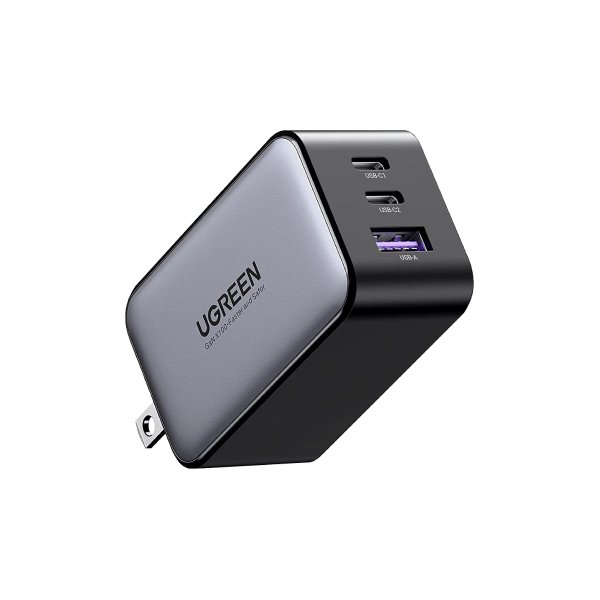
A $39.99 GaN brick that gives one laptop 65 W and, with three devices attached, hands the other two 8.5 W apiece. Good at its main job, modest at the second and third.

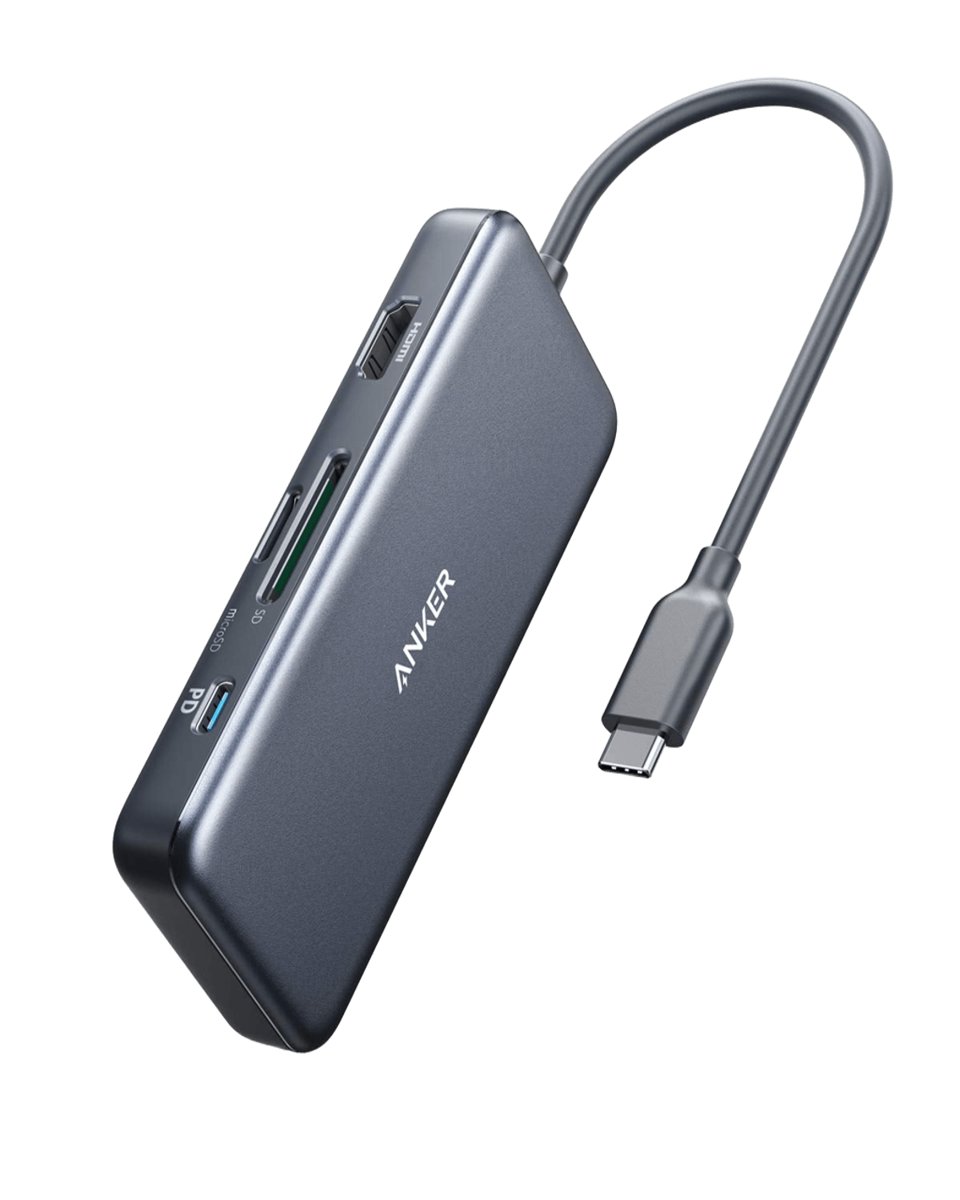
A $39.99 seven-port hub with HDMI at 4K and 30 Hz, two 5 Gbps USB-A ports, SD and microSD slots and 85 W pass-through. Anker now sells a newer 7-in-1 for $25.99 with 4K at 60 Hz, which changes what the 341 is worth.

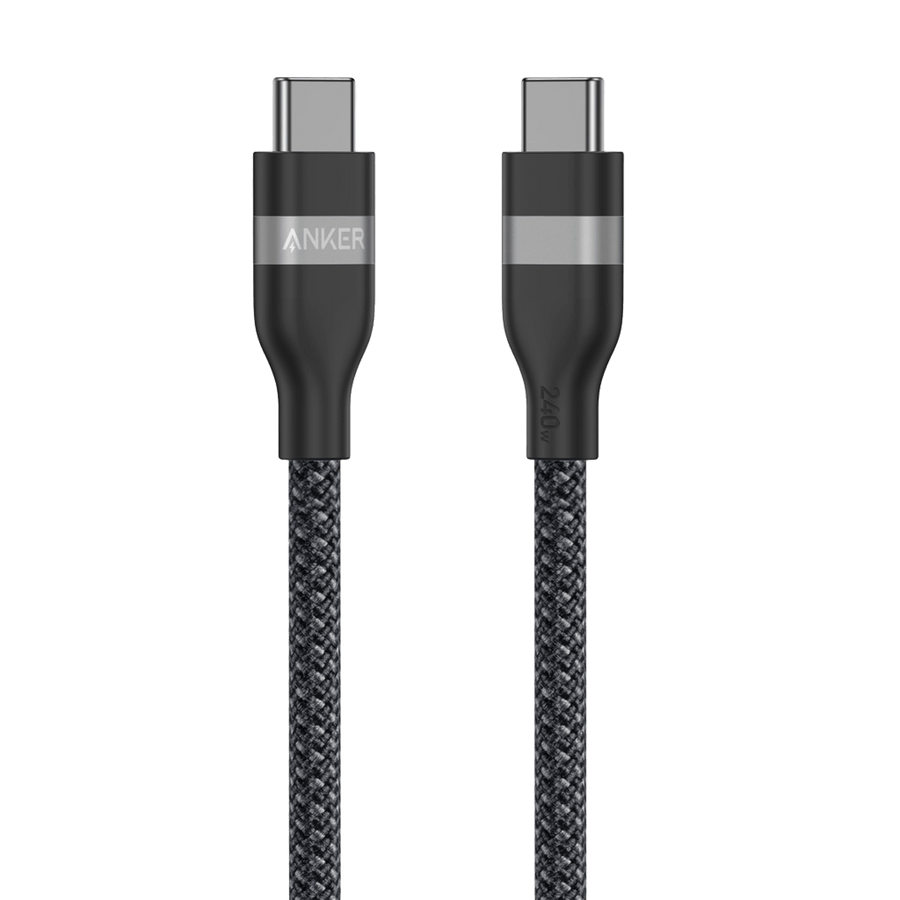
A $19.99 braided cable certified for 240 W Power Delivery. Its data line is USB 2.0 and it cannot carry video, so the number on the label only matters if you own something that draws it.

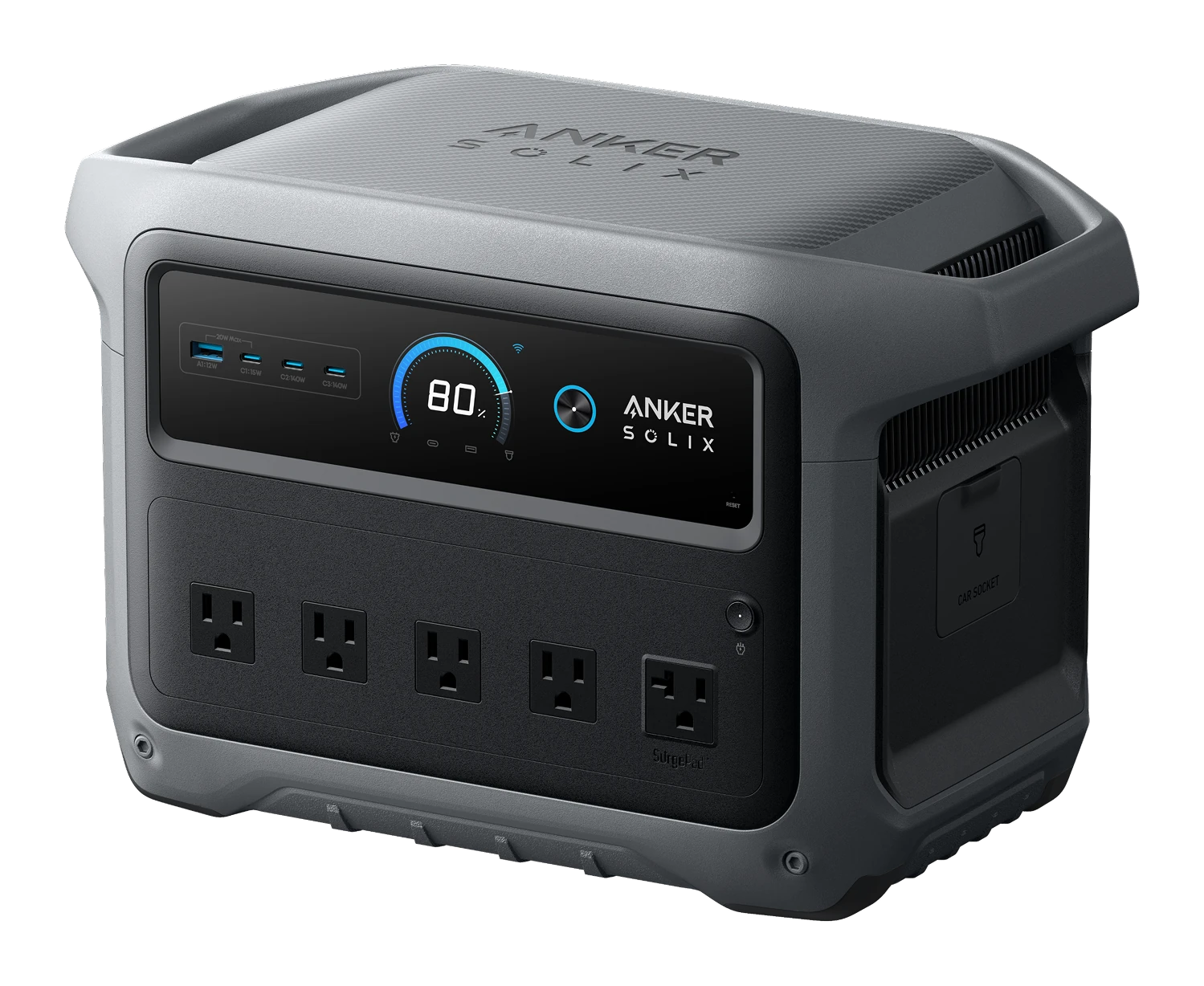
At $499.99 from AnkerDirect on Amazon, the C1000 Gen 2 refills in 49 minutes with UltraFast enabled and is 3.5 lb lighter than the $449.98 C1000, but it gives up 32Wh, one AC outlet and any path to a second battery.

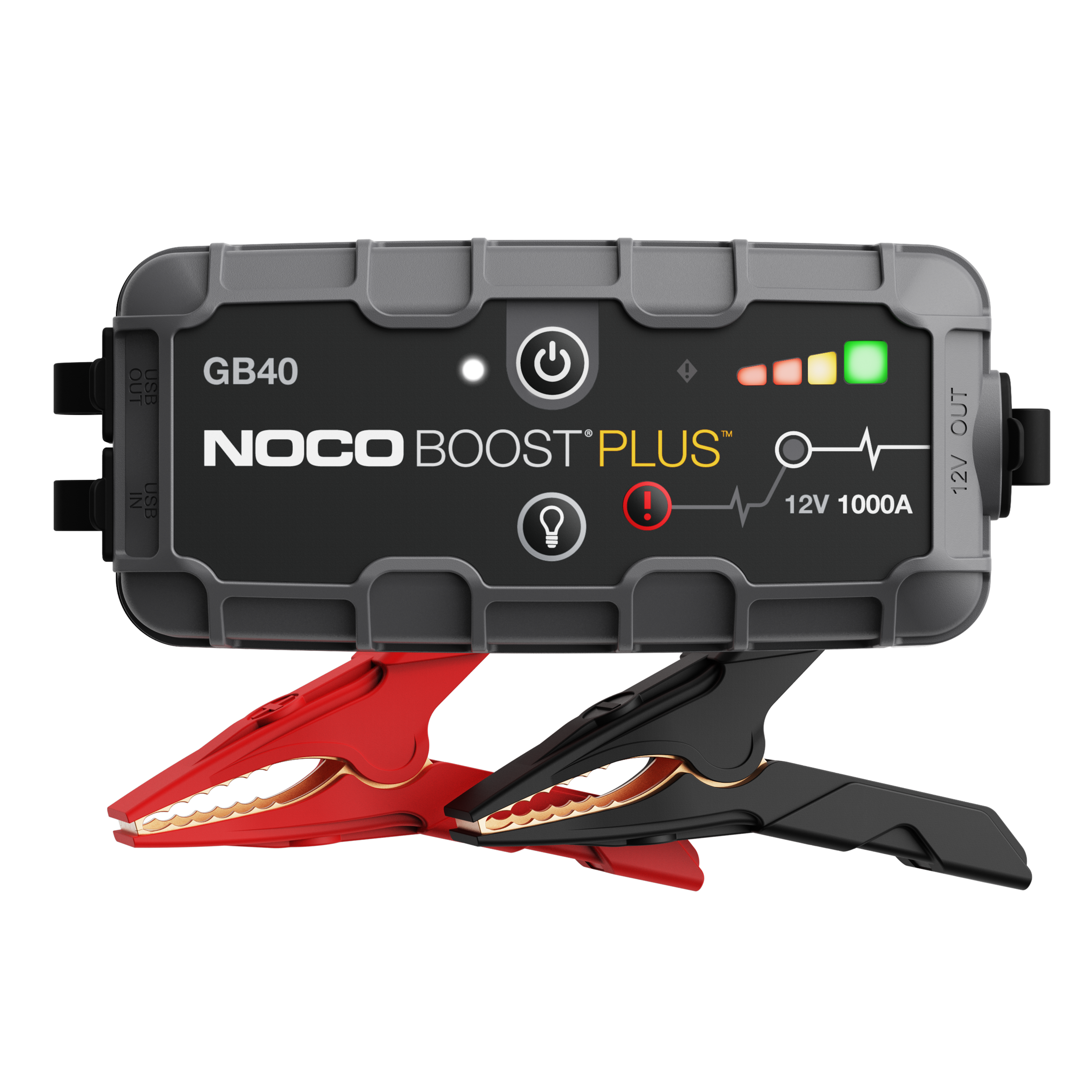
The $99.95 GB40 delivers 1,000 peak amps to a 12-volt battery, rated for gas engines to 6.0 liters and diesel to 3.0 — and it expects the thing an emergency kit rarely gets: a recharge before the morning it matters.

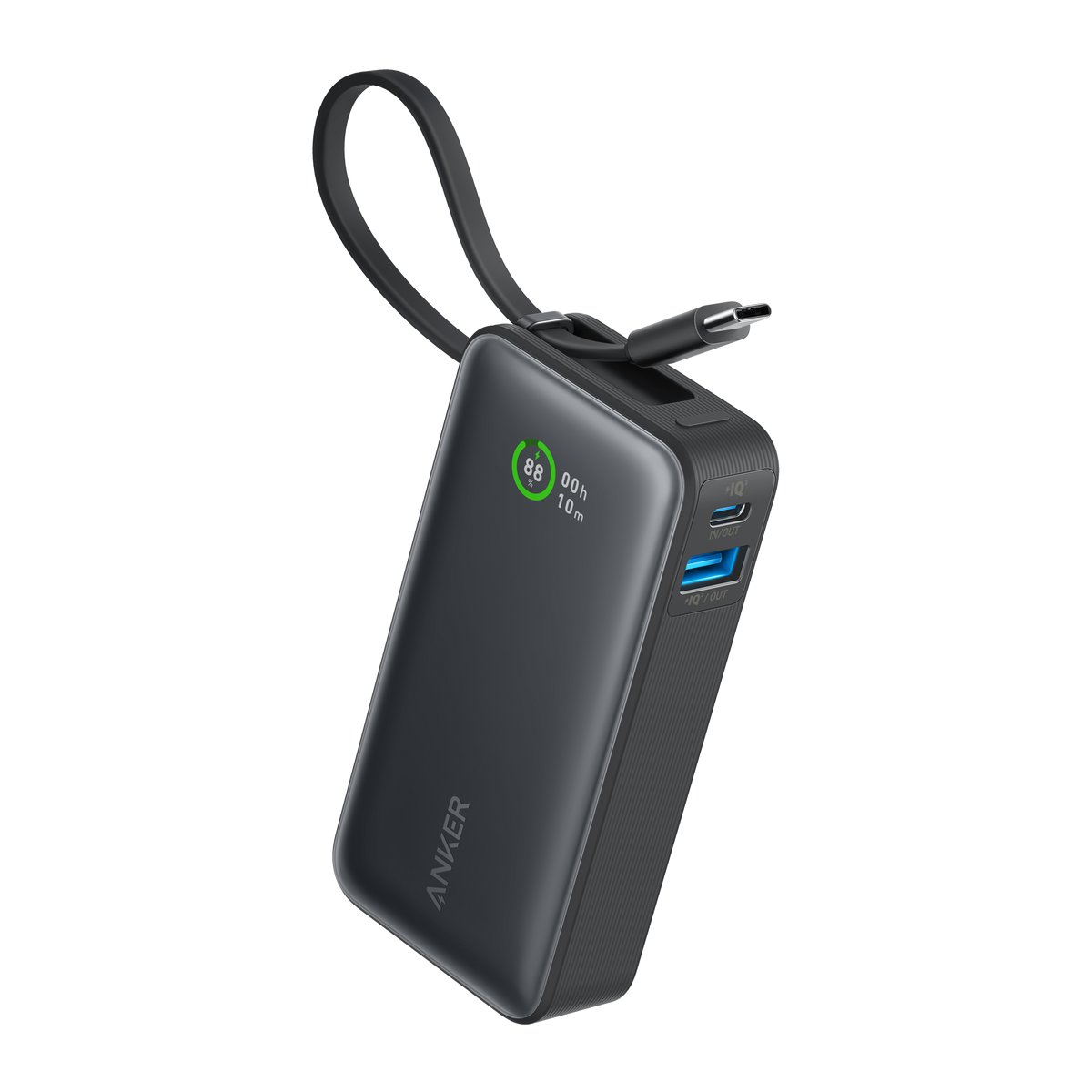
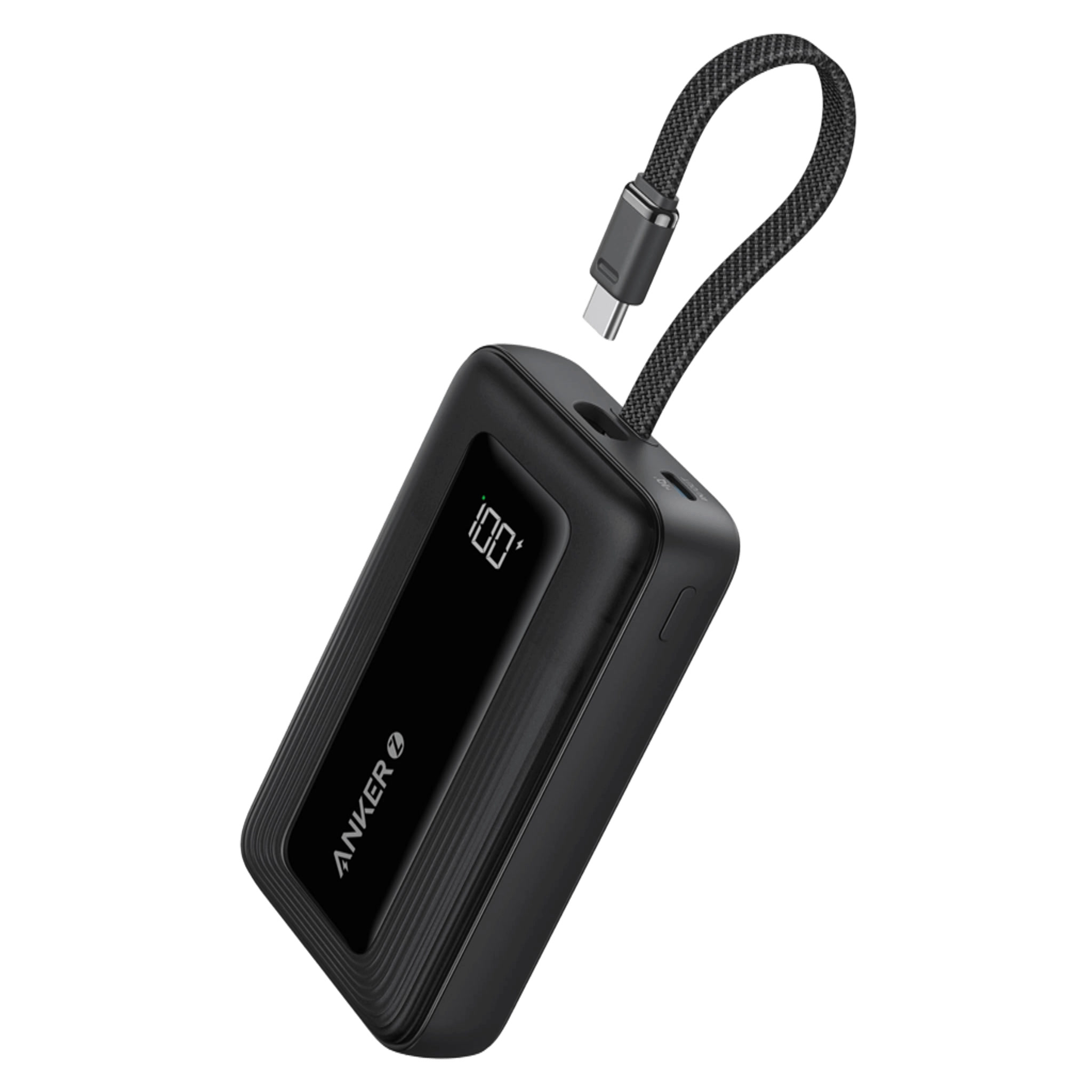
A 10,000 mAh bank with its own USB-C lead, a color display and 30 W per connection at $49.99. Anker's own Zolo 10K does the core job for $29.99, so the question is what the extra ports are worth to you.

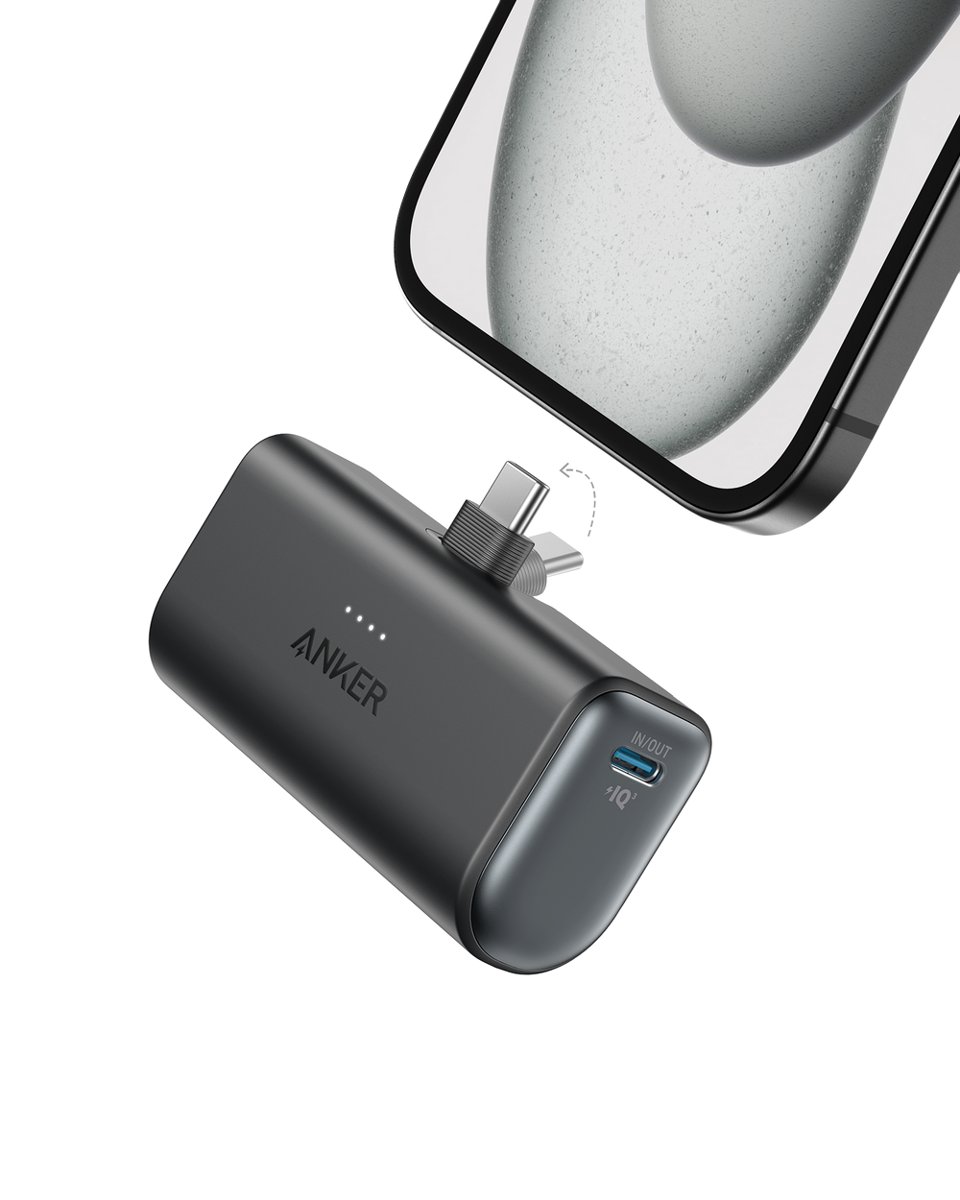
A $26.99 pocket bank with a fold-out USB-C plug in place of a cable. Anker puts 22.5 W on the box and 18 W in the total-output line, publishes no watt-hour figure, and tells you to hold the phone while it charges.

A $29.99 power bank with a built-in cable and a 10,000 mAh label. Anker's FAQ says to multiply that by 0.65, which is the most useful number on the page.

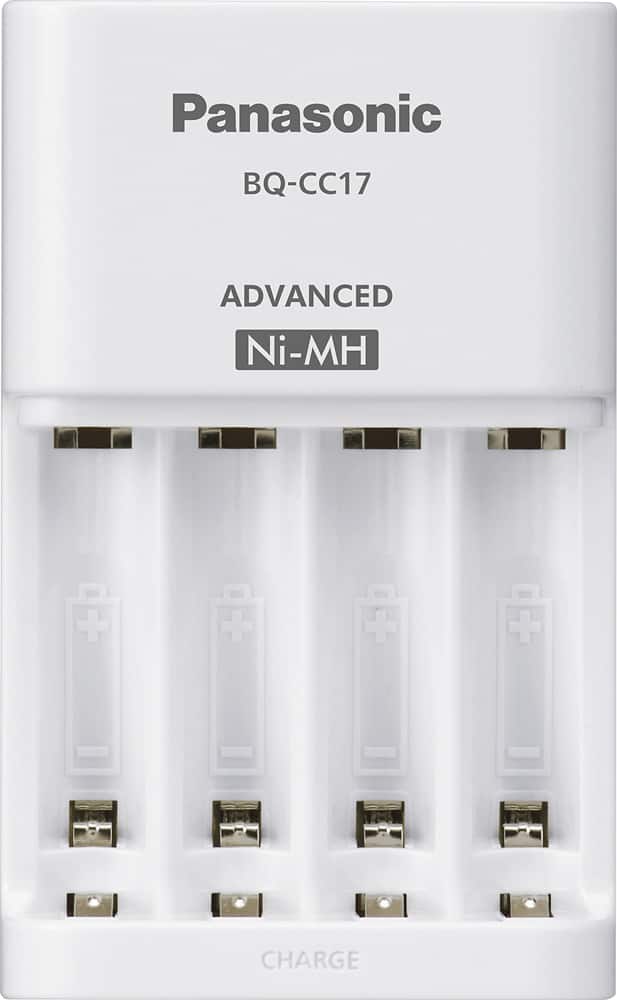
At Amazon's $28.99, this kit is the cheap way out of alkalines: a four-slot charger that times every cell separately and AAs rated 2,100 cycles — about 1.4 cents a four-cell fill, before electricity.

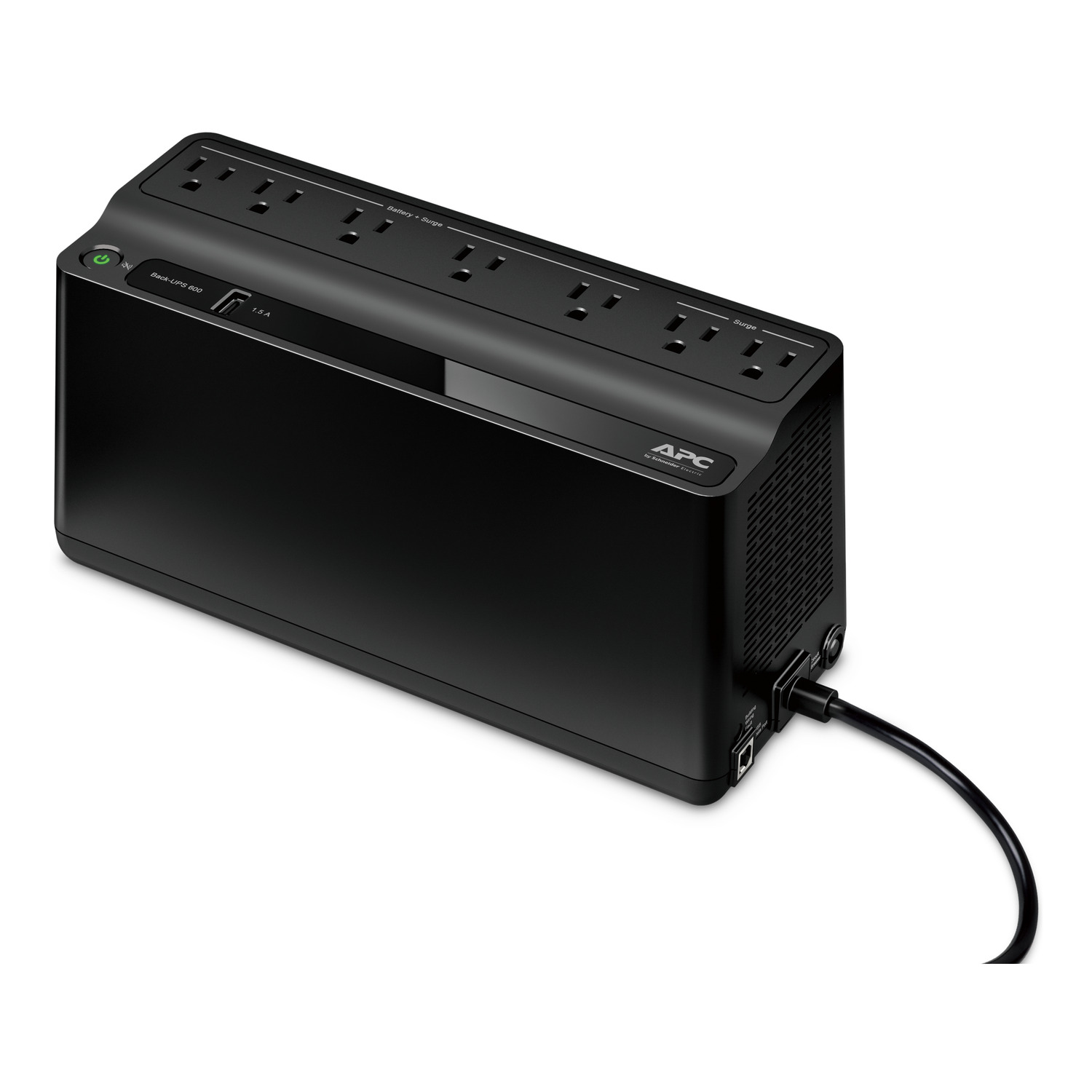
The $83.99 BE600M1 suits a low-power desktop or home network, but its genuine replacement battery costs almost as much as another UPS.

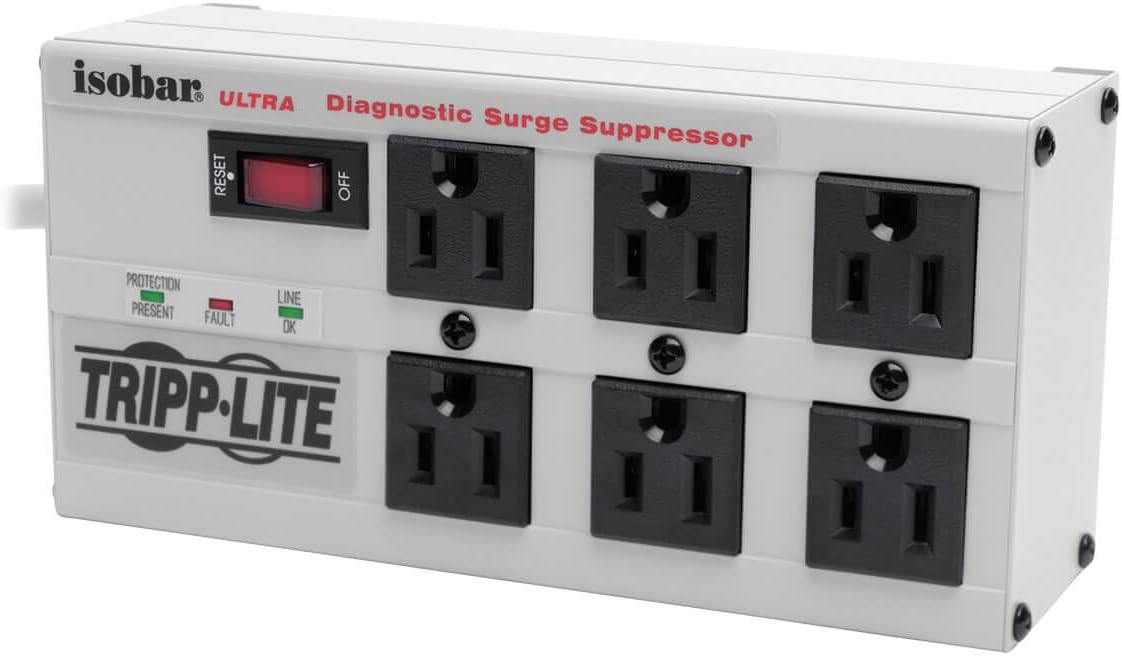
The Isobar6Ultra is the surge strip for gear that must survive: 3330 joules, a 330-volt let-through rating, and $50,000 of connected-equipment insurance at $89.99, none of which Tripp Lite's own $26.03 plastic strip matches.
Fifteen LCD keys on a USB-C pad, programmed through Elgato's free Stream Deck software; $149.99.
$149.99 at Elgato(opens in a new tab)Read the guideA travel tripod that folds to 15.5 in and 3.25 in across, opens to 60 in and carries 20 lb, at $399.95 in aluminum.
$399.95 at Peak Design(opens in a new tab)Read the guideA 250 × 210 × 220 mm printer with a 290 °C Nextruder that arrives as a kit at $709, or assembled at $925.
$709 at Prusa Research(opens in a new tab)Read the guideA $214.99 wired gaming headset whose GameDAC Gen 2 carries a dedicated Xbox port and a second USB-C system input
$214.99 at SteelSeries(opens in a new tab)Read the guide