Product image supplied by the brand
In this guide
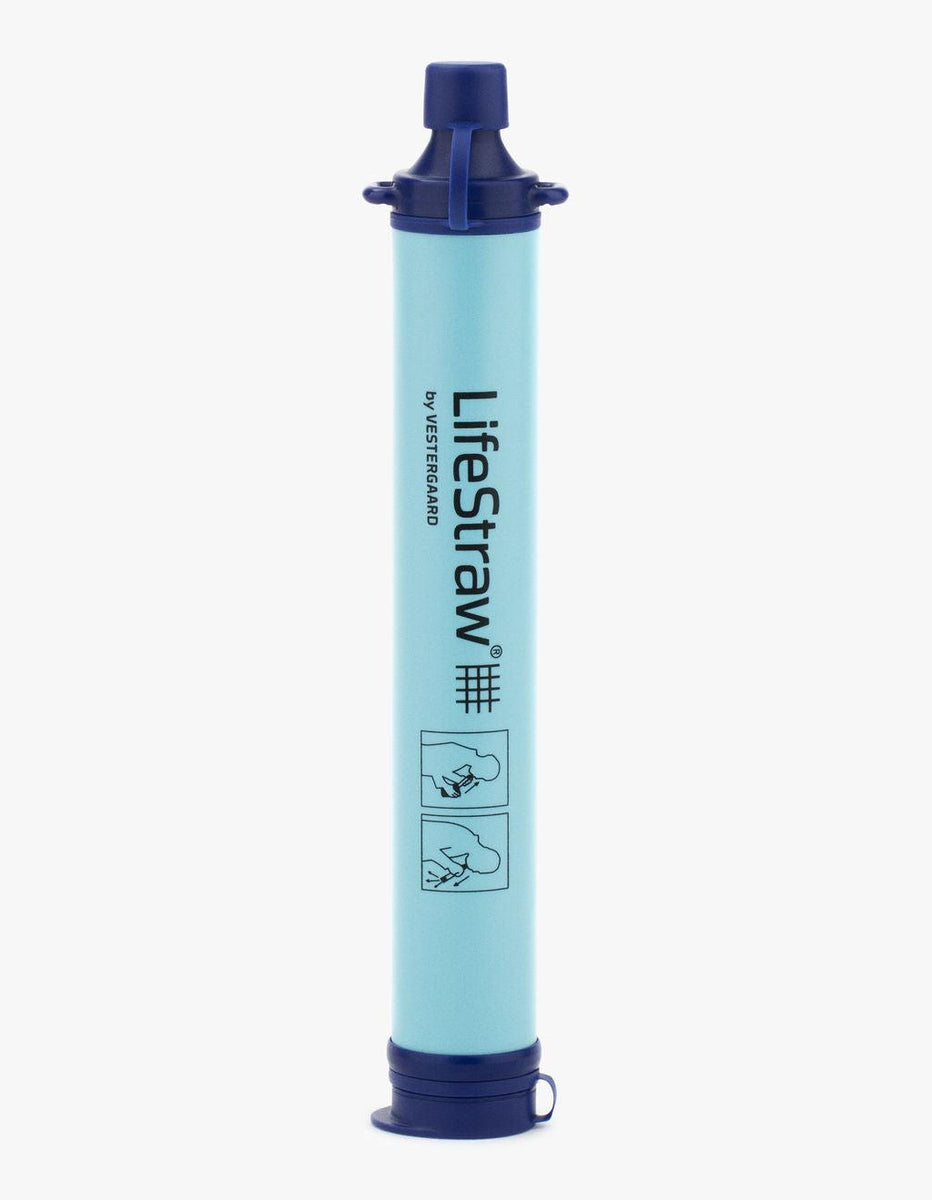
The LifeStraw Personal is a drinking straw with a 0.2-micron membrane inside: you put the bottom in the water and sip. It is superbly light and completely personal, which makes it a fine backup and a poor base camp.
For $17.95 a unit, the reasonable expectation is narrow: it is insurance against bacteria and parasites in water you would otherwise hesitate to drink. Reading the product page honestly means reading the exclusions first and the impressive percentages second.
Our verdict
A reasonable $17.95 backup for day hikes, travel, and emergency kits where the concern is bacteria and parasites in relatively clear water.
- A good fit for
- A pack or kit that wants a light, shelf-stable way to drink from a clear backcountry source without carrying a bottle system.
- We would skip it if
- Your water problem involves chemicals, heavy metals, or PFAS, or you need treated water in cooking volumes rather than sips at the source.
Reasons to consider it
- A listed 1.6 ounces with no assembly or parts to lose
- A claimed filter life of up to 1,000 gallons
- Unlimited shelf life before first use
The compromises
- Not rated for chemicals, heavy metals, or PFAS
- A straw serves the person at the source, not a pot at camp
- Off-season storage wants a saline soak and a rinse routine
What we have not verified: Flow rate as the filter ages, the published removal percentages and clogging behavior in silty water were all untested.
The things in this guide
A closer look at the products, who they may suit, and what to check before buying.
Personal Water Filter
A sensible light backup for clear surface water where bacteria and parasites are the realistic concern.
Before you buy: It does not address chemicals or heavy metals, and it will not fill a cooking pot. Between trips, follow the brand’s saline storage routine.
Price checked September 11, 2026. Retailer prices can change.Start with what the membrane is rated to remove
LifeStraw lists a 0.2-micron membrane microfilter, claiming removal of 99.999999 percent of bacteria such as E. coli, 99.999 percent of parasites including Giardia and Cryptosporidium, and 99.999 percent of microplastics, dirt, sand, and cloudiness, with reference to US EPA and NSF P231 drinking-water standards.
The claims describe a membrane doing mechanical work: anything too large to pass the pores stays behind. That is a well-understood mechanism, but percentages on a page say nothing about a specific cloudy puddle or a filter nearing the end of its life. Carry it as a strong barrier, not as a chemistry guarantee.
The exclusions are the real specification
The same page is explicit that this filter is not rated for chemicals, heavy metals, or PFAS, and points readers toward multi-stage home products for those contaminants. For a hiker, that distinction matters most downstream of agriculture, industry, or mining, where the dangerous content of the water is dissolved rather than suspended.
The practical reading: the LifeStraw addresses the risks that make clear backcountry water risky, and nothing else. If a source looks industrial, tastes of chemicals, or runs through obvious pollution, no straw format is the right tool. Choosing water sources well remains part of the skill this gear complements.
A straw suits sips, not a camp
The physical specs explain the use case: 9 by 1.2 inches, a listed 1.6 ounces, with a lanyard in the box. It is a personal drinking tool that works at the source, which covers a day hiker’s lunch stop and covers almost nothing of a group camp that needs liters for cooking and washing.
For anything beyond personal sips, a bottle or gravity format moves water instead of people, and the same brand sells those systems at higher prices. Asking it to supply a camp means kneeling at a stream filling a pot through a straw.
The care routine decides whether it works next season
LifeStraw publishes a specific off-season routine: disinfect with a dilute bleach solution, rinse, then store the straw in a saline solution with both caps open so the membrane stays moist, and before the next use blow out the saline and discard the first few sips. The claimed 1,000-gallon filter life belongs to a maintained filter, not a dried-out one.
An unused straw has unlimited shelf life, but a used and neglected one can clog or harbor growth, and a filter that was fine in October can disappoint in May.
How we put this together
Built from the product pages and listings below, without test scores or results we have not measured. Specifications and prices change, so check the original page for the exact model, current price, delivery, and returns.
About our shopping links