Product image supplied by the brand
In this guide
A published replacement-part price is a gift, because it lets you finish the arithmetic the price tag started. Harry's sells its Original cartridges at $10 for four, $17 for eight and $31 for sixteen. Cuisinart lists the charcoal filter for the DCC-3200NAS at $8.50 a pair. OXO prices the scrubber head at $7.99, and Manta prices PRO eye cups at $49 and a PRO strap at $41. Four makers, four wear parts, four numbers you can put next to the thing they fit.
The method is one division. Take the maker's replacement interval, count how many parts a year that implies, multiply by the part price, and divide by the price tag. A ratio well above one means the object is a handle for buying refills; a ratio near zero means the wear part is a rounding error; a ratio you cannot compute, because the maker publishes a price but no interval, is a finding in its own right, and two of these four land there.
The things in this guide
A closer look at the products, who they may suit, and what to check before buying.
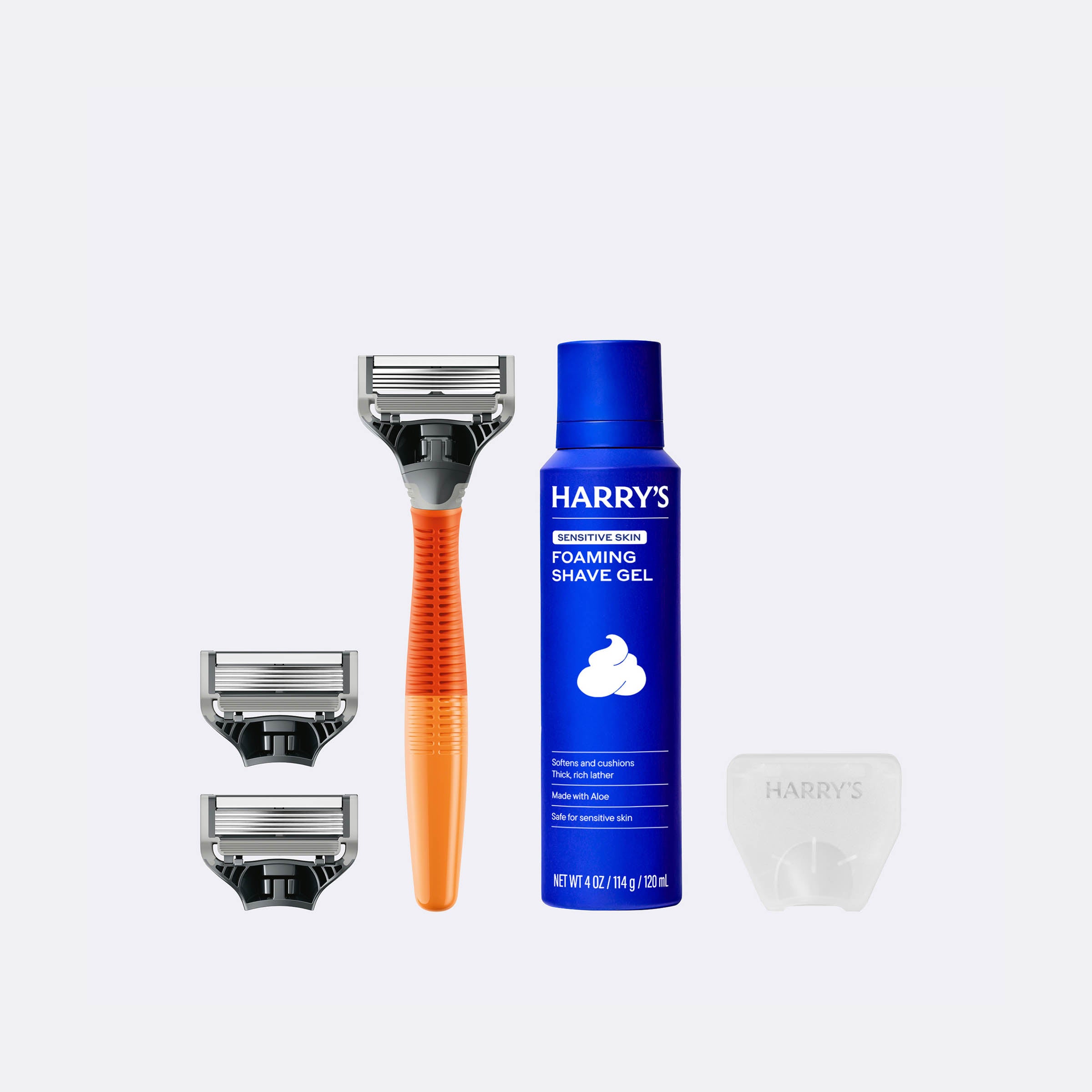
Original Shave Set (formerly Truman Set) · Ember
The $15 Original Shave Set includes three cartridges; at Harry's stated 6 to 8 shaves per cartridge, a daily shaver uses roughly 46 to 61 a year, which at the 16-pack rate of $1.94 each is about $89 to $118, six to eight times the set.
Before you buy: The cartridges fit only Original handles, so the ratio is locked in unless you change systems, and the $15 is a markdown from $21 with no stated end.
Price checked September 11, 2026. Retailer prices can change.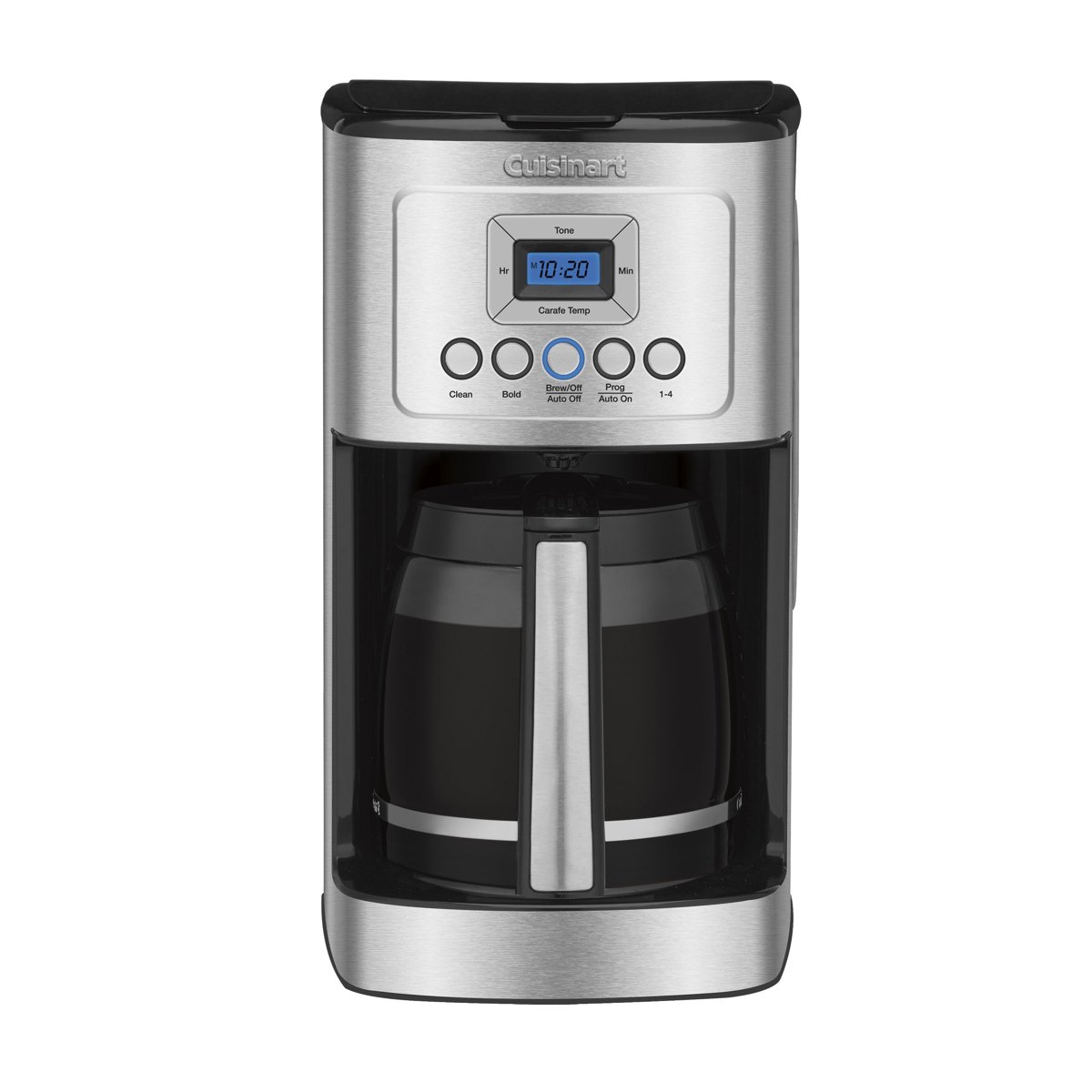
PerfecTemp 14-Cup Programmable Coffeemaker (DCC-3200NAS)
Cuisinart's 60-day filter interval means six filters a year, three $8.50 two-packs, or $25.50 against a $119.95 machine: about 21 percent of the price each year, and $76.50 across the three years of the warranty term.
Before you buy: The interval shortens with hard water by Cuisinart's own note, so $25.50 is the floor for a household that follows the booklet, not the ceiling.
Price checked September 11, 2026. Retailer prices can change.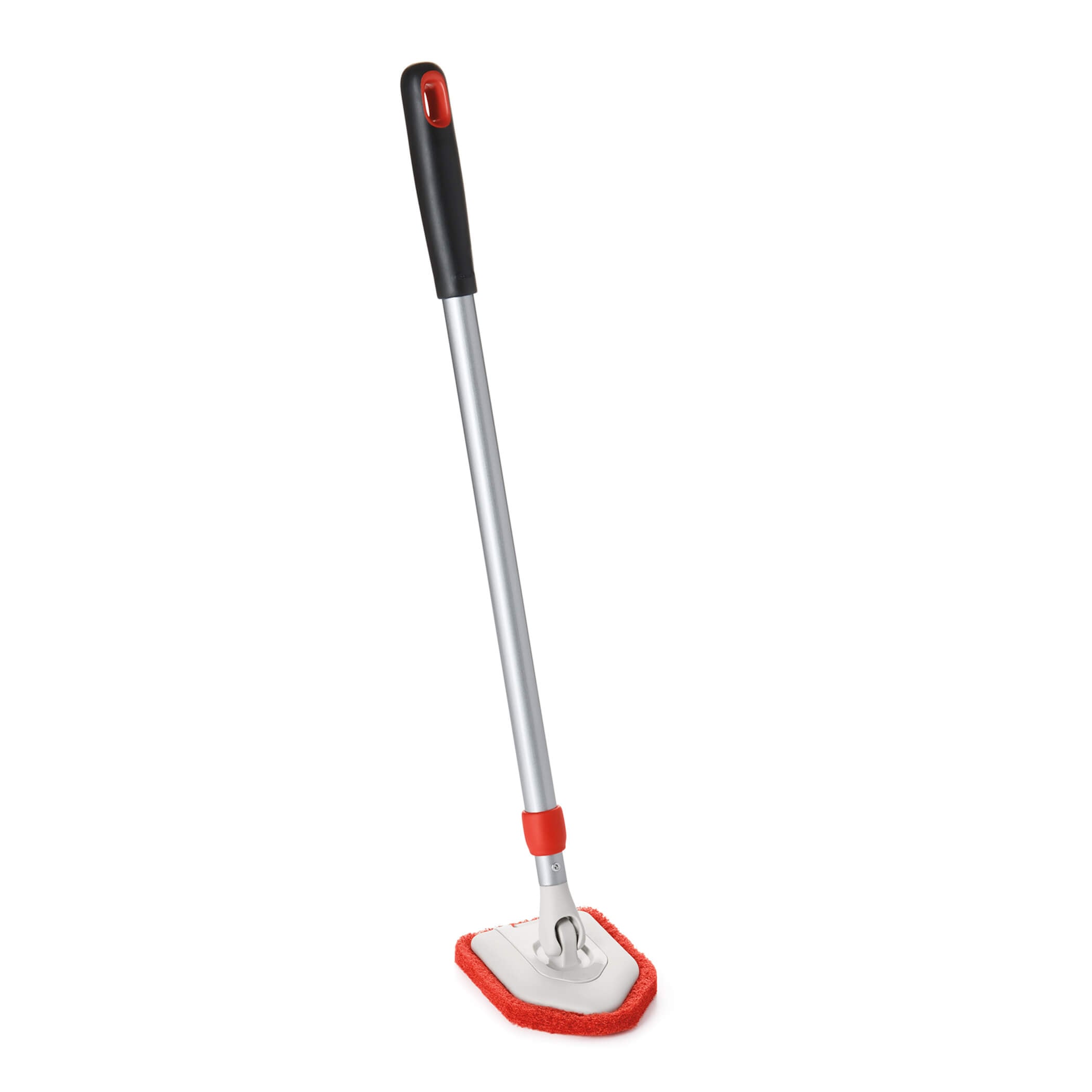
Extendable Tub & Tile Scrubber
The $7.99 refill head is 44 percent of the $17.99 scrubber, and OXO gives no replacement interval, so the yearly ratio rests on how often a pad stops working in your bathroom.
Before you buy: Two refills and a fraction of a third equal the tool; a bathroom that goes through a head each quarter spends $31.96 a year on pads, more than the scrubber cost.
Price checked September 11, 2026. Retailer prices can change.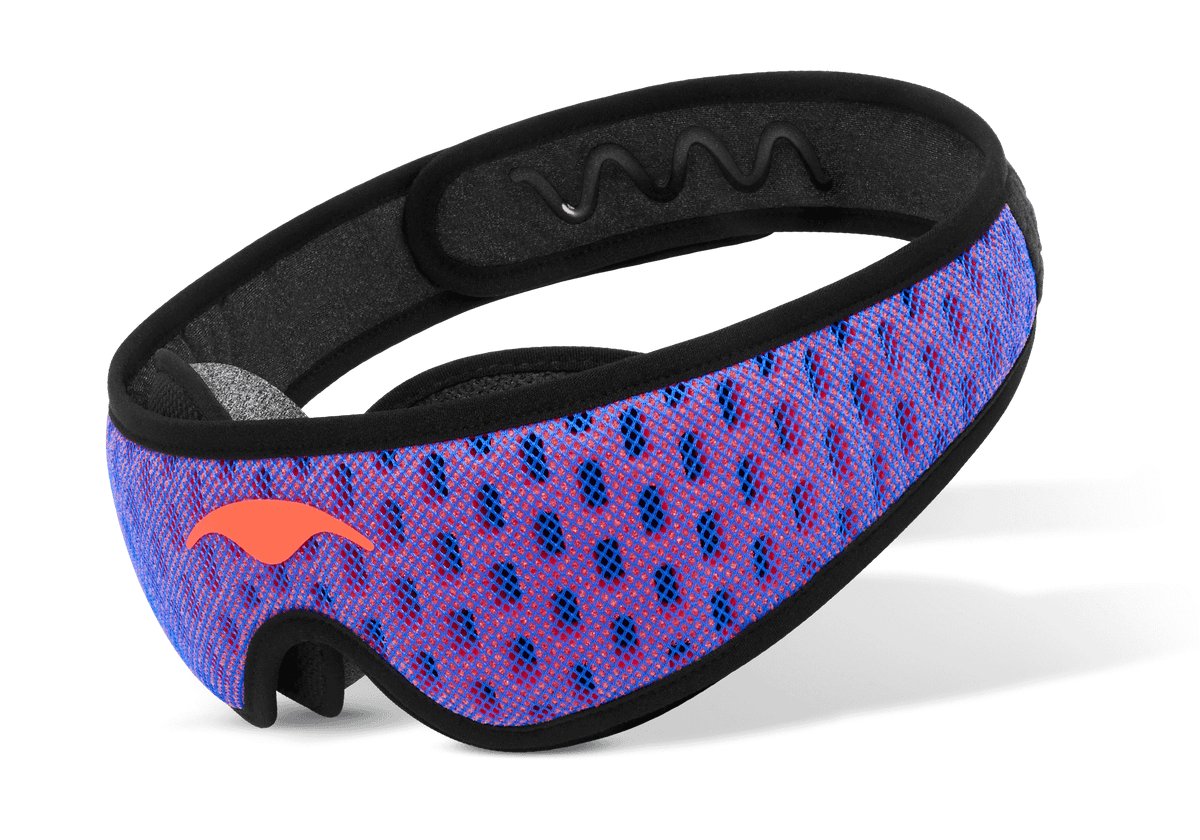
PRO Sleep Mask
Manta sells PRO eye cups for $49 and a PRO strap for $41, $90 for the pair against $85 for a new mask, and publishes no wash-cycle rating for either part.
Before you buy: Replacing one worn part is cheaper than a new mask; replacing both is not, and with no interval the ratio for a year cannot be computed at all.
Price checked September 11, 2026. Retailer prices can change.One division, four answers
The ratio is yearly wear-part spend over purchase price, and it needs three published numbers: a part price, an interval and the price of the whole. Harry's supplies all three, with cartridges from $1.94 to $2.50 each and a life of 6 to 8 shaves. Cuisinart supplies all three, with a pair of filters at $8.50 and a change every 60 days or 60 uses. OXO supplies a part price of $7.99 and no interval. Manta supplies two part prices, $49 and $41, and no interval either.
Those gaps sort the four before any arithmetic. Two products yield a yearly figure, and the figures sit at opposite ends: roughly six to eight times the price for the razor set, about a fifth of the price for the coffee maker. Two products yield only a per-part ratio, and for both it is uncomfortable: 44 percent of the tool for the scrubber head, and 106 percent of the mask for a full set of PRO parts. A per-part ratio without an interval cannot become a budget line; it can only tell you how much each failure will cost when it comes.
Harry's and Cuisinart: two ratios you can finish
Harry's Original Shave Set costs $15 and holds three cartridges, and Harry's FAQ says most people change an Original cartridge every 6 to 8 shaves. For a person who shaves daily, that is 46 to 61 cartridges a year. At the 16-pack price of $1.94 each the year costs about $89 to $118; at the 4-pack price of $2.50 it runs $115 to $153. Against a $15 handle, the refills are the product and the set is the doorway, which is also why the set is marked down from $21 without an end date. A person who shaves every other day divides those figures by two and still spends more on blades than on the handle.
Cuisinart's DCC-3200NAS lists at $119.95 with a charcoal water filter in the box, and the booklet says to fit a new one every 60 days or 60 uses, sooner with hard water. That is six filters a year, three two-packs of DCC-RWF-1 at $8.50, or $25.50: about 21 percent of the machine each year, and $76.50 over the three years of the warranty term. The ratio is low enough that the filter should not decide the purchase, and large enough that a household which never buys the second pack has quietly changed the product it owns.
OXO and Manta: a price without a schedule
OXO's Extendable Tub & Tile Scrubber is $17.99 and its replacement head is $7.99, a part that snaps into place and fits this SKU. What OXO does not publish is how long a head lasts, and the omission is the whole story: the head is the only part that touches the tile, so it is the only part that wears, and its life depends on water hardness, cleaner and how often the shower is scrubbed. The ratio per replacement is fixed at 44 percent. The ratio per year is whatever your bathroom makes it. A pad that lasts a year is a cheap tool; a pad changed each quarter is $31.96 of heads on a $17.99 pole.
Manta's PRO Sleep Mask is $85, and its two wearing parts are sold on their own at $49 for the eye cups and $41 for the head strap. Together that is $90, five dollars more than a new mask, and Manta publishes no wash-cycle rating for the foam or the gel strip that would let anyone convert those prices into a yearly figure. The modular design means a single failed part is a $41 or $49 repair instead of an $85 replacement, which is real, but it also means the second failure on the same mask should be priced as a new mask. Parts sold on their own are not the same thing as parts sold cheaply.
What each ratio should change about the purchase
A ratio above one, like the razor's, moves the decision from the object to the supplier. The $15 handle is not the purchase; the commitment to one maker's $1.94 cartridge, on a closed fitting that no other handle accepts, is. Compare Harry's against other blade systems by the cartridge price and the shave count, and treat the handle price as noise. A ratio near a fifth, like the coffee maker's, belongs on the budget as a line, $25.50 a year, and then belongs nowhere else; it should not steer the choice of machine unless a rival brews without a consumable.
The two ratios without intervals ask for a different habit: log the first replacement. Write down the date the scrubber head goes on and the date it comes off, and the ratio becomes real after one cycle. Do the same for a mask strap. That single observation turns a maker's silence into your own interval, and the arithmetic finishes on the second purchase instead of never. In the meantime, the per-part ratio is the risk figure: 44 percent of the tool per head, and more than the whole mask for a full set of PRO parts.
When the ratio is the wrong tool
Skip the division when the part you would buy is the whole product. A mask that will be replaced whole when the strap gives out has a wear-part cost of $85 every few years and no reason to be judged by its $41 strap; the modular price list is for people who intend to use it. The same goes for a coffee drinker who has already decided to run the machine on the maker's schedule without thinking about it: $25.50 a year is a fact to budget, not a decision to revisit.
And skip it when the ratio is high but the alternative is higher. Harry's $89 to $118 a year for cartridges is a large multiple of the handle, but the comparison that matters is with the cartridges you buy now, not with the handle, and a lower per-blade price is a saving regardless of the multiple. The ratio identifies which product you are really buying. It does not, on its own, say whether that product is a good one, and a razor judged solely by its handle price would be judged by the wrong number.
How we put this together
Built from the product pages and listings below, without test scores or results we have not measured. Specifications and prices change, so check the original page for the exact model, current price, delivery, and returns.
- Harry's: Original Shave Set (opens in a new tab)
- Harry's: Original Blade Refills (opens in a new tab)
- Cuisinart: 14 Cup Programmable Coffee Maker, DCC-3200NAS (opens in a new tab)
- Cuisinart: DCC-3200 Series Instruction & Recipe Booklet (PDF) (opens in a new tab)
- Cuisinart: Charcoal Water Filter 1 Pack of 2, DCC-RWF-1 (opens in a new tab)
- OXO: Extendable Tub & Tile Scrubber, SKU 12126100 (opens in a new tab)
- OXO: Extendable Tub & Tile Scrubber Refill, SKU 12133800 (opens in a new tab)
- Manta: PRO Sleep Mask (opens in a new tab)
- Manta: Replacement PRO Eye Cups (opens in a new tab)
- Manta: Replacement PRO Head Strap (opens in a new tab)