Product image supplied by the brand
In this guide
Pull up Sonos's own page for the $349 Ace and TV Audio Swap is already in the feature list: hold the Content Key and whatever the soundbar is playing lands in the headphones. That one line is the reason to look twice at the $449 Ace Ultra, because the obvious pitch — send the television's sound into your ears without waking the house — is a trick the cheaper pair has done all along. The $100 step up is spent on other things, and which of them matter depends almost entirely on gear you already own.
A Sonos speaker or soundbar already on the headphone-linking list changes what the money buys. The Ultra then gives you a replaceable battery and a software bridge into that system, and the ANC-on rating stretches from thirty hours to thirty-five. For a quiet Bluetooth pair on a commute, the $349 model already cancels noise and plays spatial audio, and the hundred dollars mostly buys a Wi-Fi feature that wants a speaker you may not own.
Our verdict
Pay the extra $100 only if your Sonos system already includes a product on the headphone-linking list and you want a battery you can replace; the $349 Ace already handles TV Audio Swap and everyday Bluetooth listening.
- A good fit for
- Someone whose Sonos system has a speaker or soundbar on the headphone-linking list, who wants to move music between it and their ears, and who would rather replace a worn battery than the whole pair.
- We would skip it if
- Skip it if no product on the headphone-linking list is in your Sonos system, or you just need a Bluetooth noise-cancelling pair for travel; keep the $349 Ace and the $100.
Reasons to consider it
- Thirty-five hours of listening with ANC or Aware on, against thirty on the older Ace, from the same 1060 mAh cell; a three-minute charge from empty still covers up to three hours.
- Ten microphones, up from eight in the older Ace, feed the noise cancelling and call pickup, and Sonos caps its 2x ANC claim at frequencies up to 65 Hz.
- Both the battery and the ear cushions are designed to come out, and Sonos prices the parts in its own store: $25 for the battery kit, $39 for cushions, though the battery swap means disassembly and tools.
The compromises
- The Wi-Fi headphone linking that justifies the step up is still opt-in Early Access, provided as-is, and Sonos warns it can change or be limited mid-development, with temporary gaps along the way.
- Linking works only with the Ace Ultra and needs a compatible Sonos product on the system; two headphones on one TV session lose dynamic head tracking until one disconnects.
- Most of what the hundred dollars buys is incremental — a little more battery, a newer Bluetooth radio — while the one substantial addition, system linking, is software Sonos has not finished.
What we have not verified: Sonos lists neither a power-output figure nor a frequency-response range on either pair's product page or in the Ultra's guide, so the new 40 mm driver cannot be judged from the spec sheet; the guide also prints 325 g where the product page says 0.322 kg. There is no head-to-head measurement of the Ace and the Ace Ultra in one room, and the Early Access terms leave open when linking leaves opt-in and whether more products join the compatible list. The $25 battery kit page warns that the swap needs disassembly and tools and points to Sonos Support for service, but says nothing about how a do-it-yourself swap affects the one-year warranty.
The things in this guide
A closer look at the products, who they may suit, and what to check before buying.
Sonos Ace Ultra
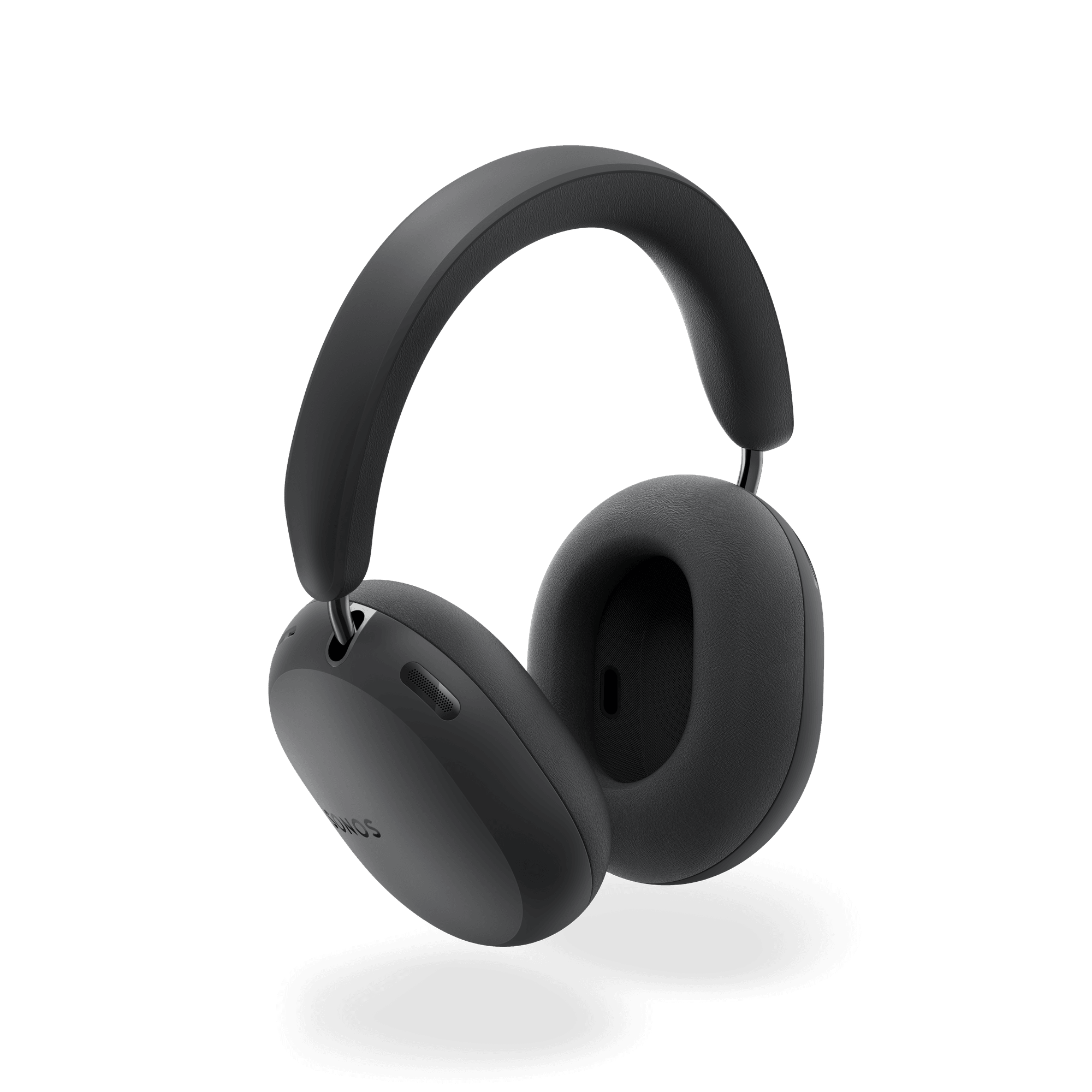
At $449 on 2026-11-09, four colors in stock, it sits $100 above the $349 Ace in the same store — and that older pair already prints TV Audio Swap on its own page. The step up buys five more hours of ANC-on listening and a battery Sonos sells separately as a $25 kit, on top of a Wi-Fi link into your system that the company still files under Early Access.
Before you buy: TV Audio Swap needs a compatible soundbar with WiFi enabled; the headphone-linking half is opt-in Early Access, works only with the Ace Ultra, and two headphones on one TV session lose dynamic head tracking. Prices exclude sales tax and the warranty runs one year.
Price checked November 9, 2026. Retailer prices can change.What the extra hundred actually pays for
The older Ace has not gone anywhere. Sonos still lists it at $349 next to the $449 Ace Ultra, and its own spec block says to press the Content Key to swap sound from a compatible soundbar to one or two Sonos Ace headphones. So the headline feature people upgrade for — TV audio in your ears without the room hearing it — is already on the cheaper box. Cross it off the list of reasons.
What is left is a set of smaller, checkable moves. Battery life with ANC or Aware on goes from thirty hours to thirty-five, a figure Sonos footnotes at moderate volume — useful on a long travel day, invisible if you charge them every night. The microphone count rises from eight to ten, and Bluetooth moves from 5.4 to 6.0, a spec bump most phones will not feel yet. The Ultra's page adds a battery designed to come out, sold separately for $25; the older page's list stops at replaceable cushions.
The rest of the premium sits in software. Hold the Content Key and the Ultra pulls whatever the nearest playing Sonos product in the room is streaming — a playlist, a film, a record on line-in — over WiFi; hold it again beside a compatible speaker and the sound goes back. Sonos is candid about the state of it: headphone linking is opt-in Early Access, provided as-is, and may change or be limited while the feature is still being built.
Read the ANC footnote before believing the 2x
Sonos's headline says up to twice the active noise cancellation of the Ace. The asterisk underneath caps that at frequencies up to 65 Hz, which is the low rumble of an engine or an air conditioner, not the band where voices and most household noise live. Anyone buying the Ultra expecting half the chatter on a plane is reading a number that was never that broad.
Sonos assigns the ten microphones to noise control, calls, Aware mode and TrueCinema; the Ace's eight are listed for noise control and voice targeting. The page says the adaptive ANC adjusts for fit changes caused by head movement, glasses or hair. Ten gives it more to work with. Whether that audibly beats eight in your room is not something the spec sheet settles.
The Wi-Fi link is still a work in progress
Linking is the feature the Ultra has and the older Ace does not, and it arrives with more fine print than a finished product would. Sonos calls it opt-in Early Access, provided as-is; the guide says it can change or be limited and warns of temporary gaps while the work continues. Vocal guidance for setup is English only at the moment. You switch it on in the app, need WiFi and a compatible product on the system, and the supported-headphones list holds one entry: the Ace Ultra.
The mechanics matter if you plan to use it daily. A long press of the Content Key pulls audio from the nearest actively playing Sonos product in the room you are in, and Sonos says the swap may take up to five seconds; sending it back targets a nearby speaker, ideally within arm's reach. Wear detection switches the headphones off after thirty minutes of inactivity. Take them off mid-call and the call continues on the phone or device, not in the ear cups.
Which soundbars actually qualify
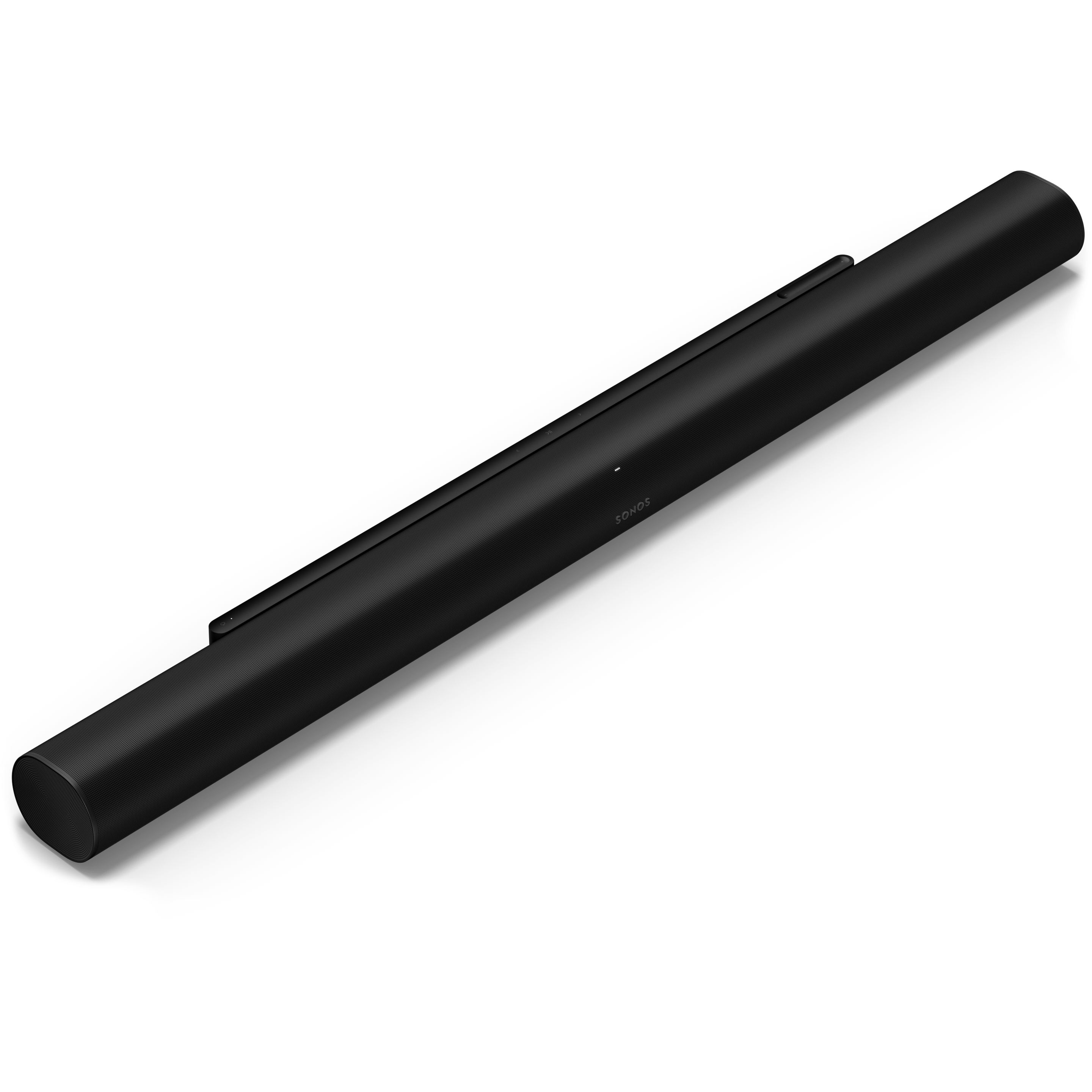
TV Audio Swap, the feature both generations share, only works with a short list of home theater speakers: Arc, Arc SL, Arc Ultra, Beam Gen 1, Beam Gen 2, Beam Ultra and Ray. The soundbar has to have WiFi enabled, the TV has to be on and already playing through it, and setup runs through the Sonos app on iOS or Android. If your television audio goes through a different brand of bar, or a home theater product outside that list, the swapping feature does nothing for you.
A session can carry two Sonos headphones at once. With two connected, dynamic head tracking is disabled and only comes back after one disconnects, so the pair-watching case — two people, one film, both on headphones — loses the head-tracked spatial effect the Ultra's own page spends a paragraph selling. One viewer keeps it.
The fine print behind the $449
Sonos says both the ear cushions and the battery are designed to be swapped, and the US store prices them: $39 for cushions, $25 for the battery kit. The older Ace's own page already mentions replaceable cushions but lists no battery kit, which is the cleaner way to read the upgrade — the cell now has its own store listing and a price, where before only the cushions did. The kit page is blunt that the swap means disassembly, tools and some patience, and points anyone less handy to Sonos Support for service. Weight barely moves: 0.322 kg against 0.312 kg for the Ace.
The $449 is the regular list price and the US terms say plainly that prices in the web shop do not include sales tax, which is worked out from the delivery address at checkout. Warranty cover runs one year from shipment or the original retail purchase. Sonos ships every order free and takes returns within 30 days, paying the return postage itself. None of that changes with the color; all four are $449 and in stock.
When the $349 Ace is the one to keep
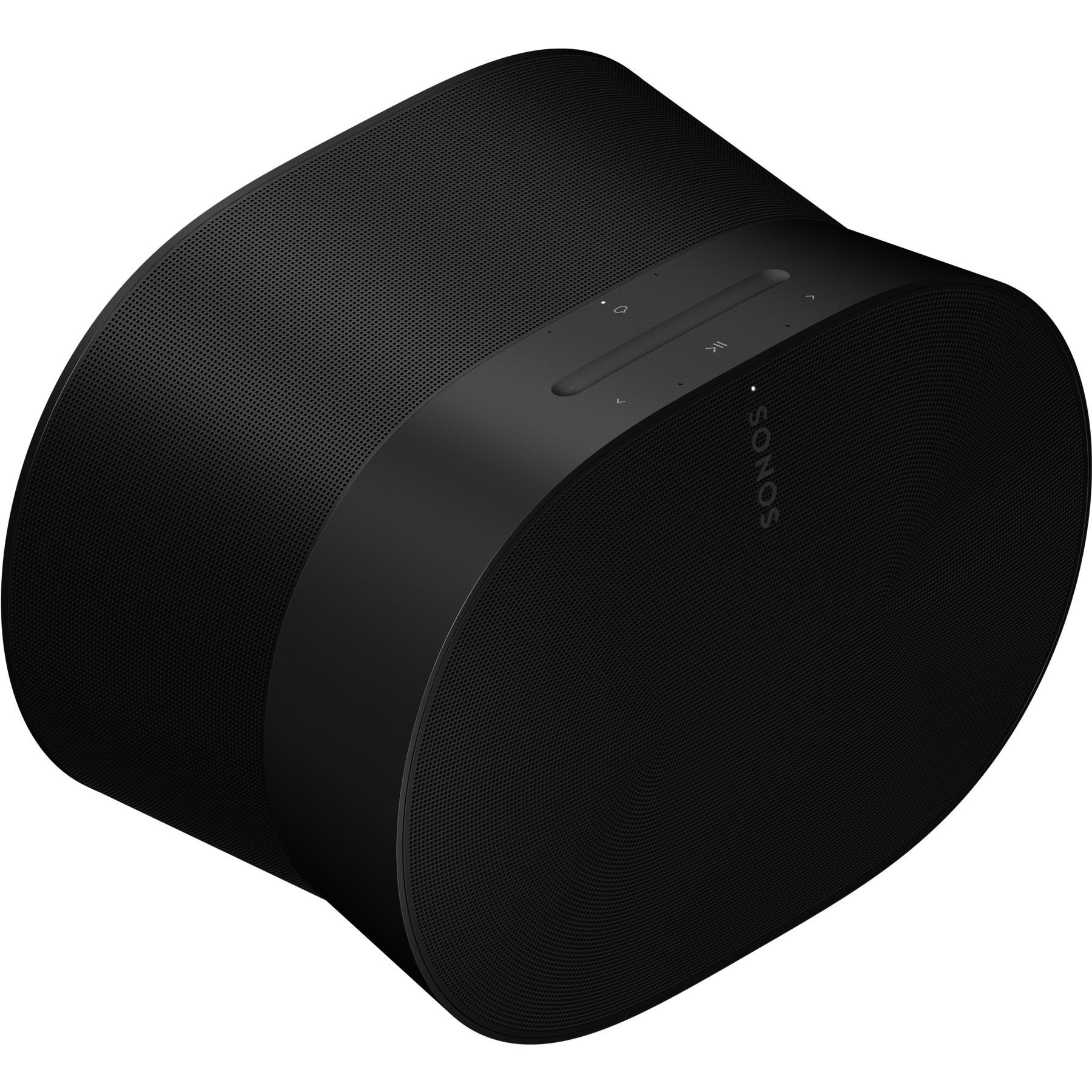
If nothing on the headphone-linking list is part of your Sonos system, do not pay the extra $100. Linking needs one of those products — speakers such as Era 100, Roam 2 or Move 2 count as well as the bars — and TV Audio Swap, the part that works without opting into Early Access, already comes with the $349 Ace. Without one, the Ultra becomes a $449 Bluetooth noise-cancelling pair up against its own $349 sibling, which already does spatial audio and lossless over USB-C. Keep the hundred dollars.
The same advice holds if you only want a quiet pair for a flight or an open office. Five hours of extra battery and a newer Bluetooth radio are thin reasons to own a Sonos system, and the replaceable battery only pays for itself if you keep the headphones long enough to wear a cell out. Check the products in your Sonos app against the linking list before deciding — a listed one on WiFi gives the extra hundred something to do; with nothing on the list, the Ultra is a $449 Bluetooth pair.
How we put this together
Built from the product pages and listings below, without test scores or results we have not measured. Specifications and prices change, so check the original page for the exact model, current price, delivery, and returns.
- Sonos: Ace Ultra product page (Black) (opens in a new tab)
- Sonos: Ace product page (previous generation, Black) (opens in a new tab)
- Sonos Support: TV Audio Swap with Sonos headphones (opens in a new tab)
- Sonos Support: Set up headphone linking (opens in a new tab)
- Sonos: Ace Ultra product guide (opens in a new tab)
- Sonos: Terms of Sale (US) (opens in a new tab)
- Sonos: US shop listing (opens in a new tab)
- Sonos: Ace Ultra Ear Cushions (opens in a new tab)
- Sonos: Ace Ultra Replacement Battery Kit (opens in a new tab)