Product image supplied by the brand
In this guide
Three products share a structure that price tags hide: a one-time object attached to a recurring line. A $99.95 tracker whose fuller features sit behind a $9.99 monthly plan. A $19.96 toothbrush handle whose heads are replaced every three months. A cat fountain whose filter pad is swapped every 30 days.
The purchase price is the smaller decision in each case. The recurring line is the one that lands on a card every month or every quarter for as long as the object is in use, and it is the number to compute before buying. The manufacturers' own figures give it for one of the three, and stop short of it for the other two.
The things in this guide
A closer look at the products, who they may suit, and what to check before buying.
Fitbit Inspire 3
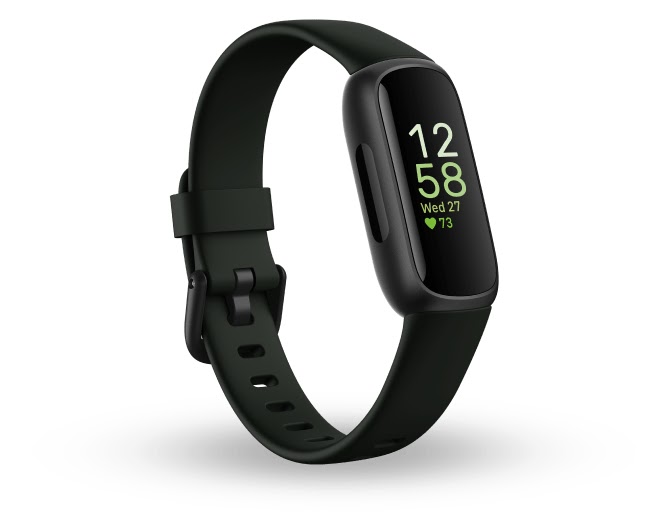
Fitbit Inspire 3 costs $99.95 and ships with three months of Google Health Premium; after that the plan is listed for $9.99 a month, which is $119.88 a year, more than the tracker itself.
Before you buy: The base features work without the plan. Decide which metrics you need from Google's Base versus Premium list before assuming the subscription is part of the purchase.
Price checked September 11, 2026. Retailer prices can change.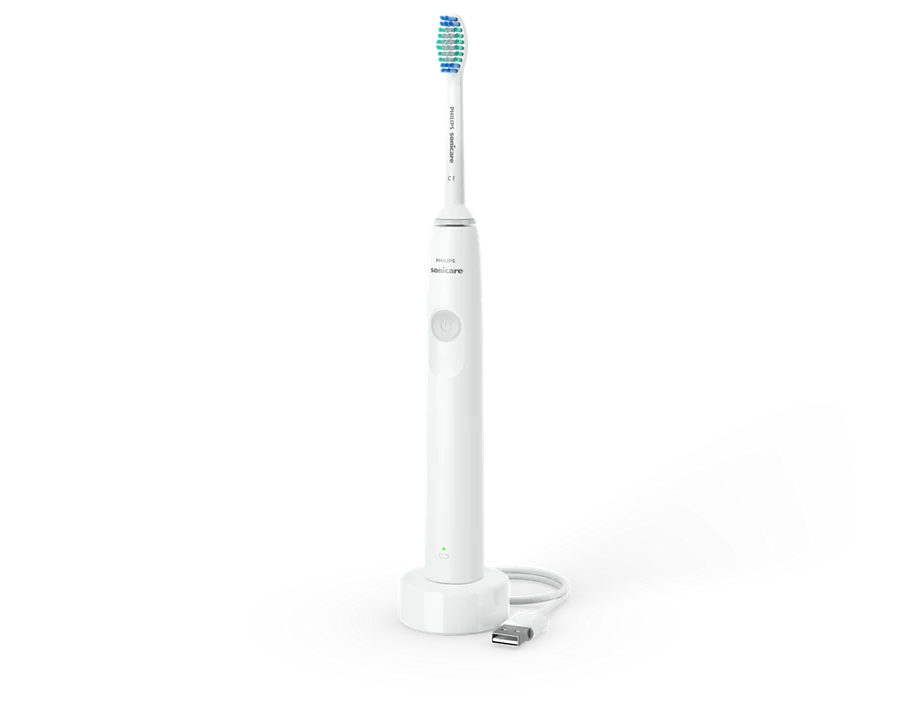
1100 Series Sonic Toothbrush · HX3641/02
The $19.96 Sonicare 1100 takes C1 ProResults heads that Philips says to replace every three months, four a year, in three-packs whose price appears on neither the handle page nor the head page.
Before you buy: Until you have a three-pack price from a retailer, the yearly cost of this toothbrush is unknown, and the handle price tells you almost nothing about what you will spend.
Price checked October 4, 2026. Retailer prices can change.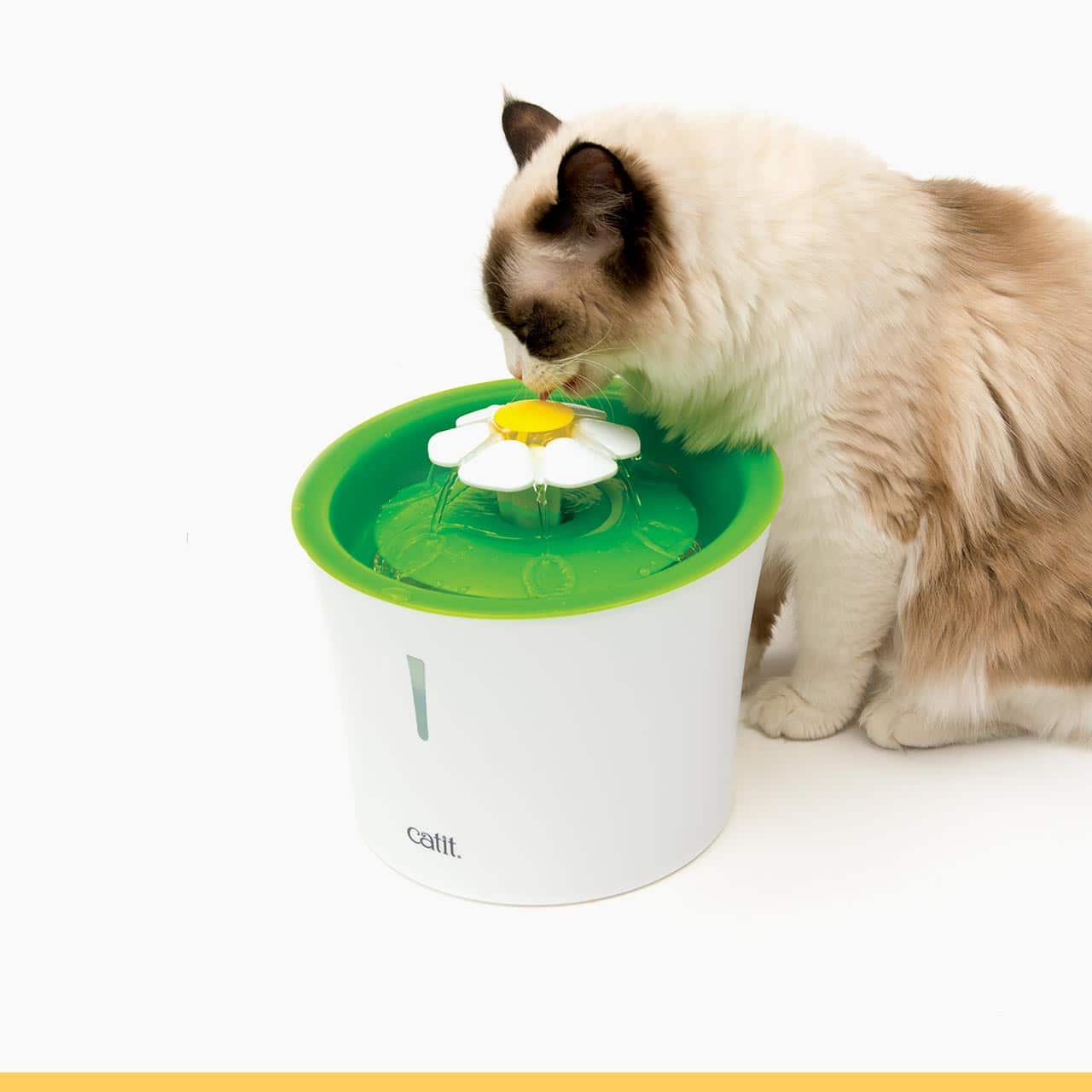
Flower Fountain
Catit's Flower Fountain uses a Triple Action filter pad that the maker says to replace every 30 days, sold in 2-packs and 6-packs, plus a pump its cleaning guide says to disassemble on a biweekly basis.
Before you buy: Catit's brand site lists no price for the fountain or the pads, so the yearly line is twelve pads at a retailer's price plus the time to strip the pump twenty-six times a year.
Price checked September 11, 2026. Retailer prices can change.Every price tag with a consumable has a second line
Google lists the Inspire 3 at $99.95 with three months of Premium included and $9.99 a month after, which annualizes to $119.88. Philips lists the Sonicare 1100 at $19.96 and tells owners to replace the head every three months, four a year. Catit tells owners to change the fountain's filter pad every 30 days, twelve a year. Each is a one-time price with a recurring line underneath, and the recurring line is the maker's own instruction, not an accessory upsell.
The habit that protects a budget is writing that second line before buying, in the same currency as the first. Twelve months of a plan, four heads, twelve pads: multiply by the unit price, and compare the year's figure to the object's price. In one of these three cases the yearly line exceeds the purchase in twelve months; in the other two, the maker has not published the unit price, which is itself a finding worth acting on.
The tracker: a plan that costs more than the wristband
At $9.99 a month, Google Health Premium runs $119.88 across a year, against a $99.95 device, so a person who keeps the plan spends more on software than on hardware before the first anniversary. Google's Premium page splits the features into Base and Premium, with Premium listed as "All Base benefits included, plus Google Health Coach", and the three months of Premium that Google includes with the tracker are the period in which that split can be evaluated.
The decision is not whether the plan is good but which list the metrics you care about sit on. A person who wants step counts, sleep stages and heart rate as displayed features may find them in Base and pay nothing recurring. Someone drawn to Google Health Coach, the addition Premium lists on top of Base, should budget the $119.88 as part of the tracker's real price. The trial makes this a question you can answer by using the device for three months and then reading your own habits.
The toothbrush: a recurring cost with no published number
Philips prices the 1100 handle at $19.96, states a three-month head interval, sells C1 ProResults heads in three-packs, and prints no price for those heads on the handle page or on the head page. The recurring line is therefore four heads a year at a figure the manufacturer has chosen not to show, which leaves the total cost of owning a twenty-dollar toothbrush undefined on the maker's own site.
A missing number is a decision in its own right. The sensible order is to price a three-pack at whatever retailer you would use, multiply for four heads a year, and set that beside the handle before purchase. If the yearly head cost exceeds the handle, the cheapness of the entry tier is partly an illusion. No head price appears on either Philips page, so the buyer has to supply that number from a retailer.
The fountain: a monthly pad and a biweekly teardown
Catit instructs owners to replace the Flower Fountain's Triple Action pad every 30 days or when it looks saturated, and sells pads in packs of 2 and 6. Its cleaning guide says the pump "should be removed from the fountain and disassembled for cleaning on a biweekly basis"; read as every two weeks, that is twenty-six teardowns a year. The brand site lists no price for the fountain or the pads, so the yearly line is twelve pads at a retailer's price plus that chore.
Labor belongs on the second line even though it does not appear on a card statement. A fountain maintained on the maker's schedule is a monthly purchase and a biweekly task; a fountain that is not maintained is a bowl of standing water with a pump in it. A household choosing between this and a bowl rinsed daily is choosing between two routines, and the money is the smaller half of that choice. As with the toothbrush, the pad price must be found at a retailer before the yearly figure is real.
When the second line should end the conversation
Skip any product whose recurring line you cannot compute before buying. A subscription with no annual figure, a consumable with no published price and no retailer in mind, or a maintenance schedule the household will not keep are all reasons to stop rather than to hope. The purchase price is the easy number; the one that matters is the one you have to go looking for.
And skip the arithmetic entirely when the recurring line is optional and you know you will not opt in. A tracker used on Base features is a $99.95 purchase and nothing more, and treating it as a $220 first year is as misleading as ignoring the plan would be for someone who keeps it. Write the second line honestly for the way you will actually use the thing, then decide.
How we put this together
Built from the product pages and listings below, without test scores or results we have not measured. Specifications and prices change, so check the original page for the exact model, current price, delivery, and returns.
- Google Store: Fitbit Inspire 3 (opens in a new tab)
- Philips: 1100 Series Sonic electric toothbrush HX3641/02 (opens in a new tab)
- Philips: Sonicare C1 ProResults Standard sonic toothbrush heads HX6013/31 (opens in a new tab)
- Catit: Flower Fountain Triple Action Filter Pad (opens in a new tab)
- Catit: Flower Fountain #43742 (opens in a new tab)
- Catit: Flower Fountain Cleaning Guide (opens in a new tab)
- Google Store: Google Health Premium (opens in a new tab)