Product image supplied by the brand
In this guide
Phone reviews compare cameras and screens, which are the parts of a phone a buyer cannot change. The parts a buyer already owns are the accessories, and they are where a new handset either slots into a household or forces a second round of purchases: the earbuds with the wrong plug, the cable that charges slower than the phone allows, the memory card with nowhere to go.
This guide is not a phone review. It reads three reviewed accessories against the questions a phone purchase answers by accident, port, charging rate and expandable storage, and it argues that those three answers are worth knowing before the store visit, because they decide how much a new phone really costs.
The things in this guide
A closer look at the products, who they may suit, and what to check before buying.
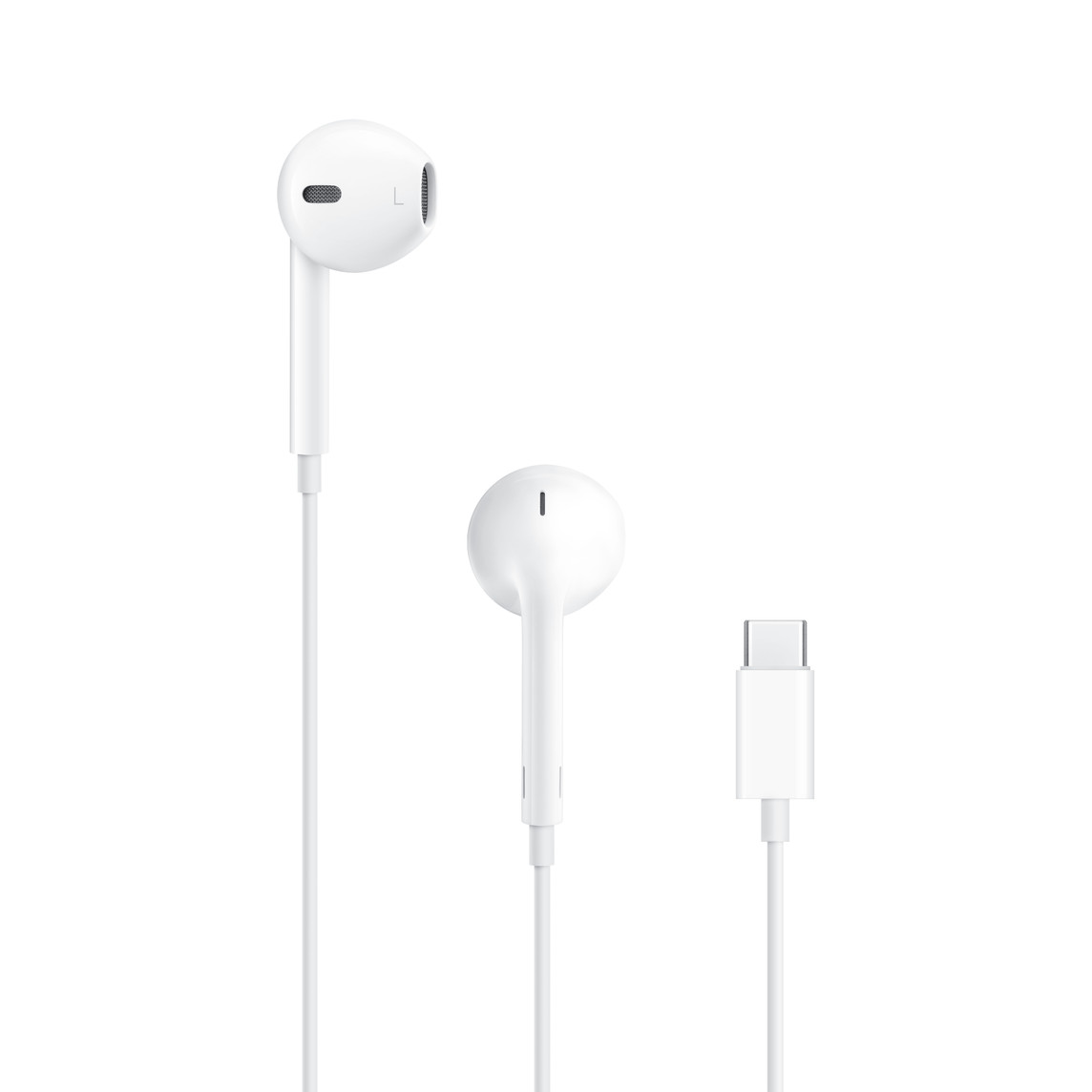
EarPods (USB-C)
Apple sells EarPods at $19.00 in Lightning, 3.5 mm and USB-C versions that do not fit each other's devices, which makes a $19 earbud the cheapest possible test of whether a phone change also changes every wired accessory in the drawer.
Before you buy: Apple's compatibility list names only its own USB-C devices. A phone from another maker with the same port is unverified by Apple, and a $9 adapter exists only for the 3.5 mm case.
Price checked September 11, 2026. Retailer prices can change.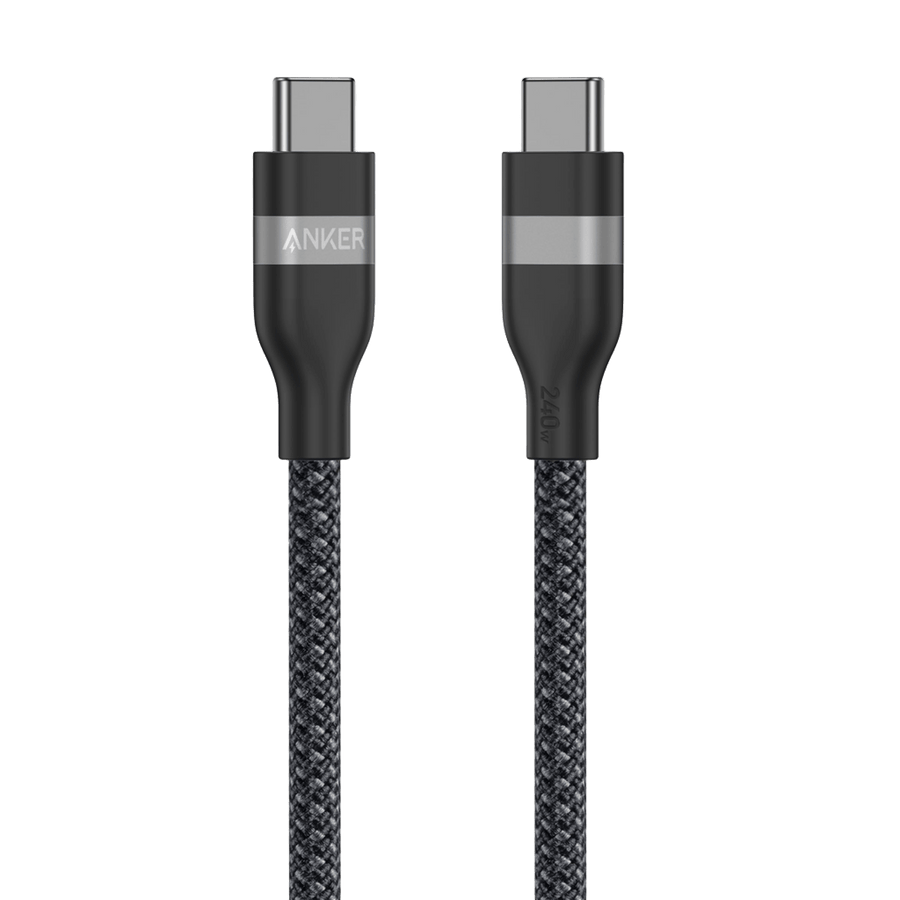
USB-C to USB-C Cable · 240W, Upcycled-Braided
Anker's 240 W USB-C cable at $19.99 is certified far above what any phone draws, so on a handset that accepts 27 W it charges identically to Anker's own $9.99 two-pack of 60 W cables.
Before you buy: Its data line is USB 2.0 and it cannot carry video, so a phone that docks to a monitor needs a different cable entirely. Buy the charging rate the phone supports, not the largest number on a label.
Price checked September 11, 2026. Retailer prices can change.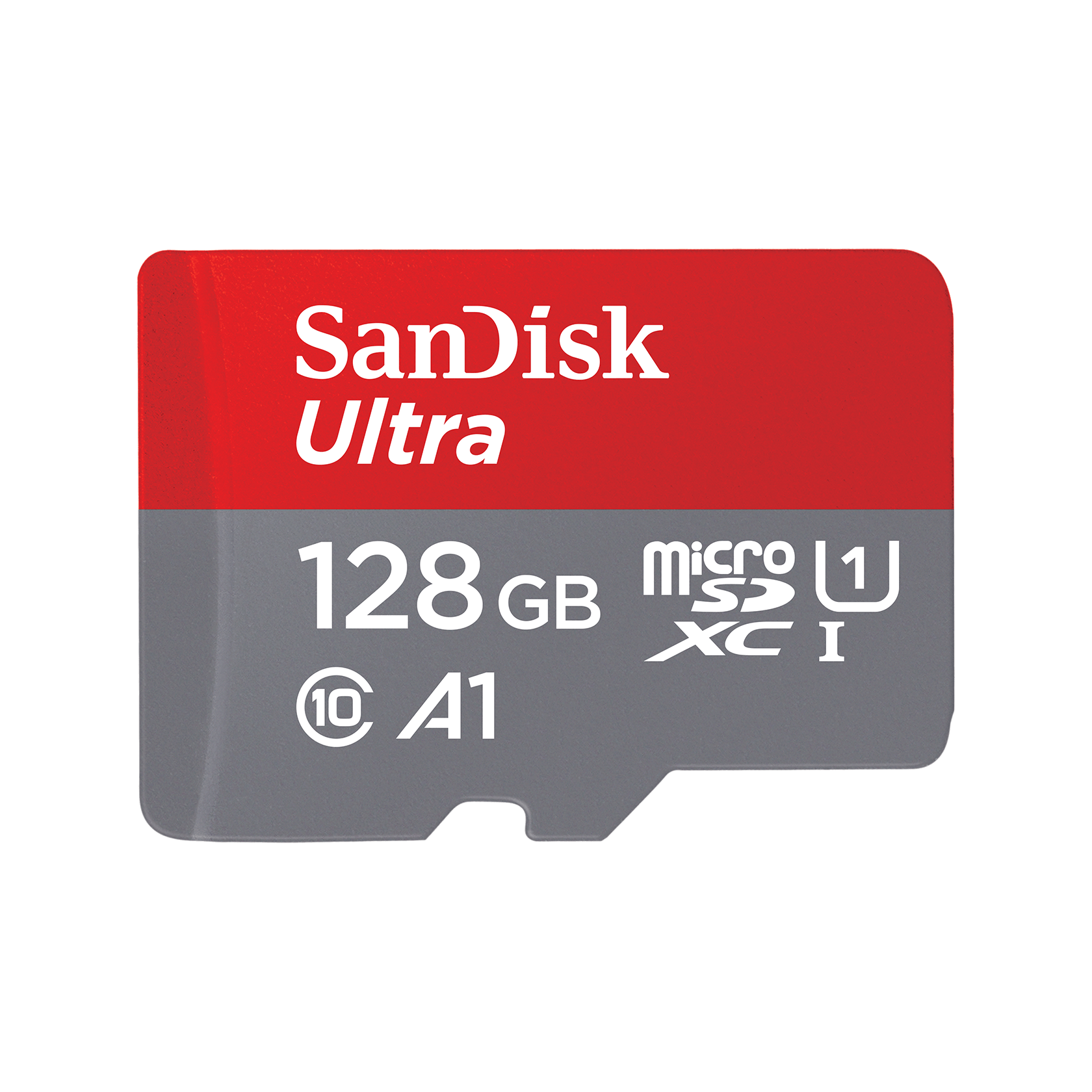
Ultra microSDXC UHS-I Card with Adapter · 128GB
SanDisk's 128 GB Ultra microSD, $35.64 on Amazon on October 5, 2026, carries C10, U1 and A1 markings and a ten-year warranty, and on a phone with a slot it turns a storage tier decision into a thirty-dollar one.
Before you buy: Many current phones have no slot at all, and SanDisk's stated read speed is a ceiling with write speeds lower and unstated. Check the phone's spec sheet for a slot before counting on the card.
Price checked October 5, 2026. Retailer prices can change.A phone decides three accessory questions without asking
A handset is sold on its screen and its camera, and it arrives with three decisions already made that nobody mentioned at the counter: which connector every wired accessory must have, how fast the battery will accept charge, and whether storage can be expanded with a card or must be bought as a higher tier on day one. Each of those is a fact on the phone's specification sheet, and each turns into money the week after purchase.
Reading those three lines before buying is the whole method. A port that matches the household's existing cables and earbuds saves a drawer of replacements. A charging rate tells you which of the cables you already own is enough. A card slot, or its absence, decides whether a 128 GB phone is a 128 GB phone or a 256 GB one for thirty dollars more. The three accessories below each stand for one of those lines.
The port: the cheapest accessory tells you the most
Apple lists EarPods at $19.00 in three versions, with a Lightning connector, a 3.5 mm plug and a USB-C connector, and none of the three fits the others' devices. Apple's compatibility list for the USB-C version names only its own recent Macs, iPads and iPhones. A $19 wired earbud is therefore the plainest possible demonstration of what a port change costs: every wired thing in the house has to be repurchased or adapted.
For a household changing phones, the useful move is to inventory the wired accessories before choosing a handset, not after. If the drawer is full of one connector, a phone with the same port inherits all of it; a phone with a different port inherits none. Apple sells a $9.00 adapter for the 3.5 mm case, and nothing for the others. This guide has not verified the earbuds on any non-Apple USB-C phone, and neither has Apple's list.
The charging rate: the phone's number is the only one that matters
Anker's 240 W braided cable costs $19.99 and is USB-IF certified to the top of the Power Delivery scale; the same collection page sells a two-pack of 60 W cables for $9.99. A phone that accepts 27 W charges at 27 W on either cable, because the device and the charger negotiate the rate and the cable only has to be rated at or above it.
So the phone's specification sheet, not the cable's label, decides the purchase. Find the maximum charging wattage the handset supports, and any cable rated above that figure is already enough. Paying for 240 W on a phone buys headroom for a laptop that may never be plugged in. The one case where the more expensive cable loses outright is a phone that docks to a display, since Anker states the 240 W cable carries USB 2.0 data and no video at all.
The storage: a slot changes which tier to buy
SanDisk's 128 GB Ultra microSD sold for $35.64 on Amazon on October 5, 2026, with C10, U1 and A1 markings, a read speed stated as a ceiling with write speeds described only as lower, and a ten-year limited warranty. On a phone that has a card slot, that card is what separates buying the base storage tier from buying the next one up, which makers typically price at far more than thirty dollars.
The catch is that many current phones have no slot, and the specification sheet is the only place that says so. A buyer who assumes a card can be added later, and discovers there is nowhere to put it, has bought the wrong tier permanently. Check the sheet for expandable storage before deciding on capacity; if the answer is no, the card in this guide is irrelevant and the storage tier is the entire decision. A1 and U1 are minimum guarantees for app and video use, and this guide has not measured the card's actual speeds.
When the accessories should not steer the phone
Let the accessories go when the phone itself is the reason for the change: a broken screen, a battery that no longer lasts a day, or a camera the household actually needs. A drawer of cables is a poor reason to keep a phone that has stopped working, and the replacement cost of a few wired accessories is small beside the handset.
Ignore the storage question entirely for a buyer who keeps everything in a cloud account and has never filled a phone. The card slot only matters to someone who stores locally. And ignore the charging-rate question for anyone who charges overnight, since a slow cable that finishes by morning is not slower in any way that person will notice.
How we put this together
Built from the product pages and listings below, without test scores or results we have not measured. Specifications and prices change, so check the original page for the exact model, current price, delivery, and returns.
- Apple: EarPods (USB-C) (opens in a new tab)
- Anker: USB-C to USB-C Cable (240W, Upcycled-Braided), model A82E2 (opens in a new tab)
- Anker: USB-C to USB-C Cables collection (opens in a new tab)
- SanDisk: Ultra microSDXC UHS-I 128GB (opens in a new tab)
- Amazon: SanDisk 128GB Ultra microSD Card + Adapter, SDSQUAB-128G-GN6MA (ASIN B0B7NTY2S6) (opens in a new tab)