Product image supplied by the brand
In this guide
A projector is the one screen purchase where the room matters more than the device. A panel television works in daylight with its own speakers and its own apps; a projected image needs the lights off, needs something else to carry sound, and needs a source that reaches the wall or ceiling it is mounted on. All three are facts about the room that a projector's specification cannot change.
We do not review projectors here. Instead this piece takes three products from our reviews, a Matter smart plug, a small Bluetooth speaker and a microSD card, and reads each one's published figures as a way to settle a room question before a projector is bought: whether the lights can be controlled from the sofa, whether an external speaker is the fix for thin sound, and whether a card in the projector's own slot is a usable source or a slow one.
The things in this guide
A closer look at the products, who they may suit, and what to check before buying.
Smart Wi-Fi Plug Slim · KP125M
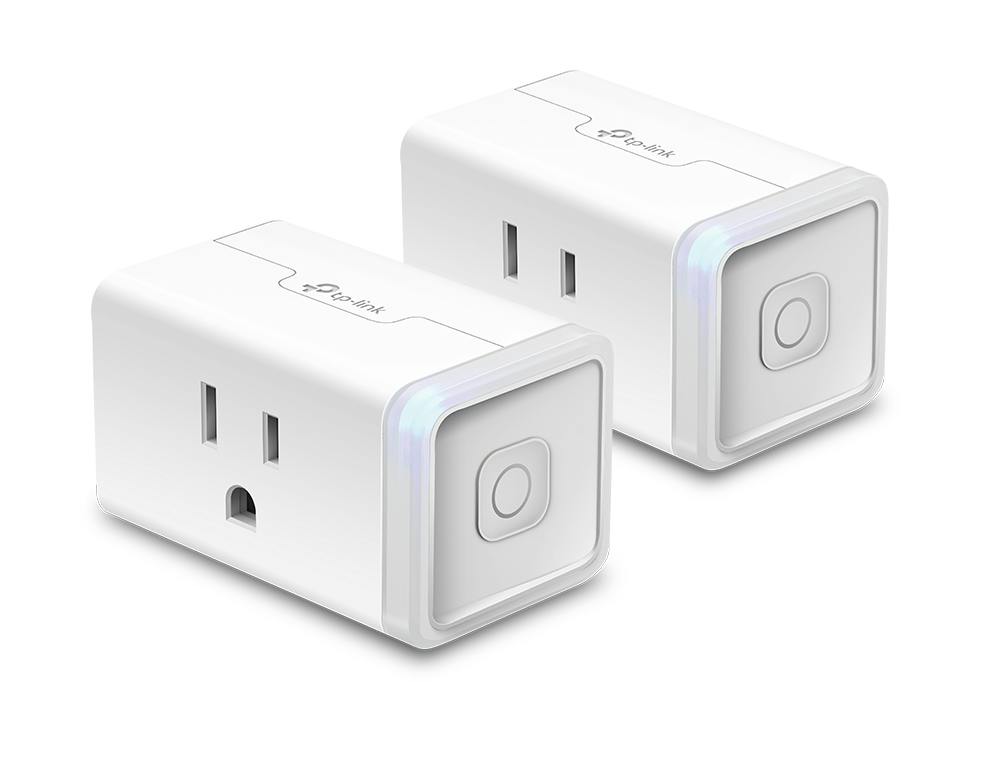
Kasa's KP125M is a Matter smart plug rated for 15 A and 1800 W in a 2.6 by 1.5 by 1.6 inch body that Kasa says stacks two to an outlet, which puts every plug-in lamp in a room on a switch that works from a phone or a voice assistant once the projector is running.
Before you buy: Kasa sells it in two- and four-packs with no single-unit price on the listing, the auto-off timer and the new energy monitoring are footnoted as coming by firmware update, and it does nothing for ceiling lights on a wall switch, which are the lights most rooms actually need off.
Price checked September 11, 2026. Retailer prices can change.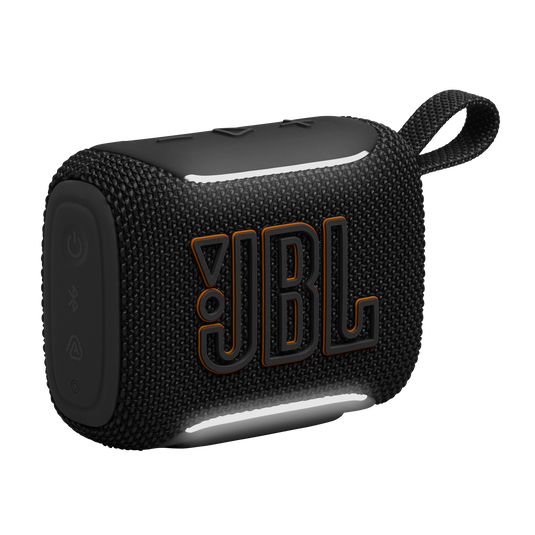
Go 5 Portable Speaker
JBL's Go 5 at $44.95 is a 230 g Bluetooth speaker with an eight-hour playback claim and an IP68 rating, and its role here is diagnostic: if a small external speaker makes dialogue clearer than the projector's built-in one, the sound budget belongs to a speaker, not a brighter lamp.
Before you buy: Our review treats the Go 5 as a close-range portable, and it is not a home theater speaker. It settles whether the projector's sound is the fault; the speaker the room then needs is a separate decision.
Price checked September 10, 2026. Retailer prices can change.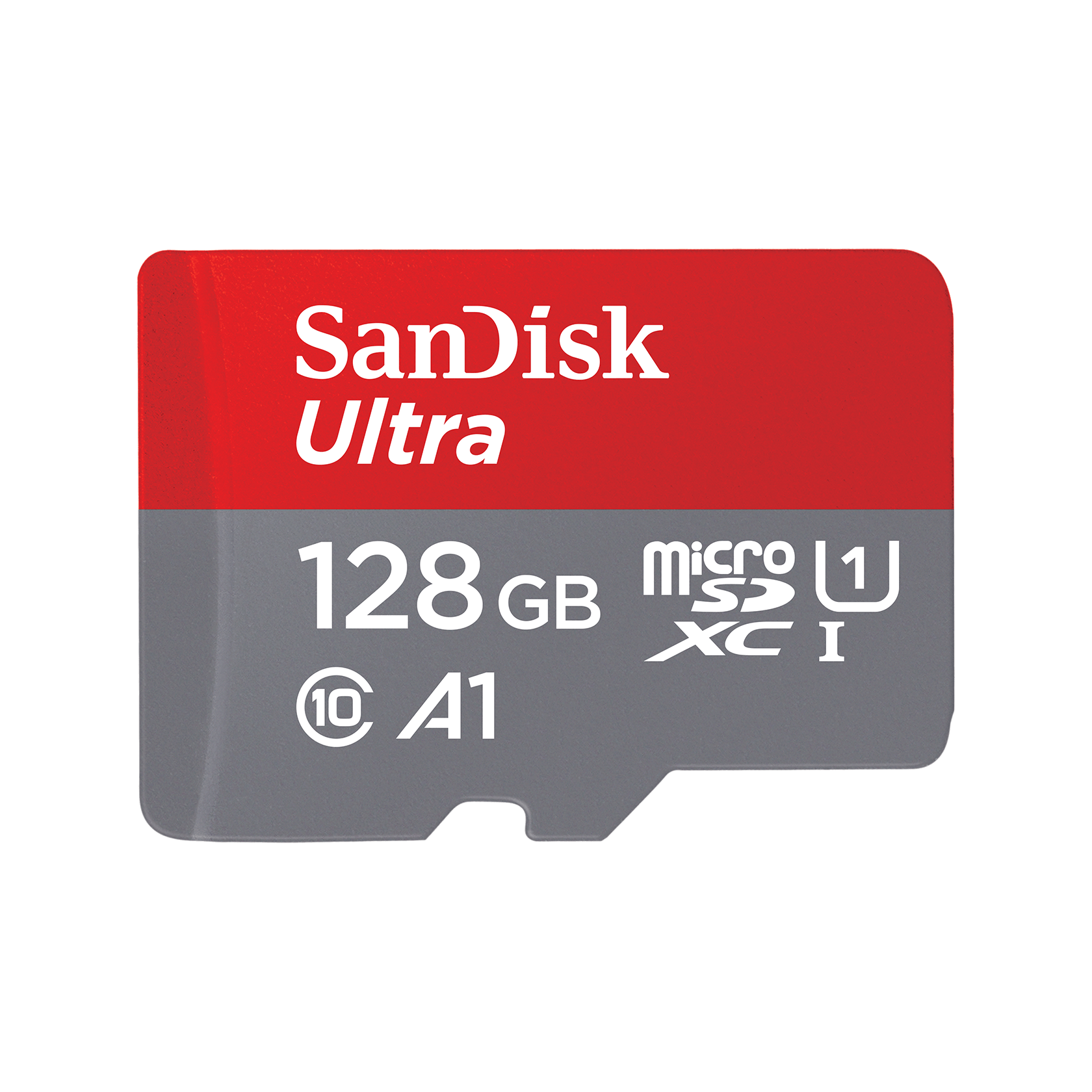
Ultra microSDXC UHS-I Card with Adapter · 128GB
SanDisk's 128 GB Ultra microSD at $35.64 on Amazon on October 5, 2026, carries C10, U1 and A1 marks, and the SD Association defines those as a 10 MB/s write floor; for a projector with a card slot playing files, the read ceiling of up to 140 MB/s is the number that matters and the floor is the one SanDisk is obliged to meet.
Before you buy: The 140 MB/s figure needs a compatible reader and is a ceiling; SanDisk publishes no write figure; and a projector that only streams has no slot for the card to go in. Check the projector's inputs first, then buy a source for it.
Price checked October 5, 2026. Retailer prices can change.A projector's problems are mostly the room's problems
Every projector listing leads with lumens, resolution and throw distance, and those figures decide the picture only after the room has decided everything else. Ambient light washes out any lamp; a built-in speaker is small because the housing is; and a source that lives on a phone or a laptop has to reach a device on the ceiling. A buyer who resolves those three first can read the lumens figure for what it is, instead of buying brightness to fight a lamp that could have been switched off.
Each question below has a product from our reviews that answers it, and each answer is checkable from the manufacturer's published numbers rather than from a projector demonstration. The plug's rating says which lamps it can switch. The speaker's weight and playback claim say what kind of speaker it is, which is the kind that diagnoses rather than replaces. The card's speed marks say what a projector's slot can and cannot count on. No one of them is a projector accessory; all of them are room accessories that happen to come first.
Darkness: a plug-in lamp on a Matter plug is the cheap half of the answer
Kasa's KP125M is a Matter-certified smart plug rated for 100 to 120 V at 15 A and 1800 W, with a 1/6 HP motor rating and a 2.6 by 1.5 by 1.6 inch body that Kasa states stacks two to one outlet. It is sold in two- and four-packs with no single-unit price on the listing, and two of its headline features, the new energy monitoring and the auto-off timer, carry footnotes saying they arrive by firmware update on no stated date.
For a projector room the plug's job is narrow and useful: every floor and table lamp in the room goes on a plug, and all of them go off from the sofa or by voice at the moment the picture starts. That is well inside the 1800 W rating, since a lamp is a fraction of it. What the plug cannot do is the thing most rooms need, which is the ceiling light on a wall switch; that stays a wall switch, and the plug review says the same. Buy plugs for the lamps, and count the ceiling fixture as a separate problem before deciding the room can be made dark.
Sound: a small external speaker settles whether the built-in one was ever enough
JBL lists the Go 5 at $44.95 as a 230 g Bluetooth speaker with an eight-hour playback claim and an IP68 rating. Our review treats it as a close-range portable, which is what it is. In a projector room it serves as the least expensive way to hear a film through something other than the projector's own driver: pair it, play a scene with quiet dialogue, and compare.
If the dialogue clears, the projector's built-in sound was the limit and the purchase that follows is a speaker sized to the room, not a projector with a bigger driver. If it does not clear, the fault is in the source or the room and no speaker fixes it. In both cases the answer cost less than fifty dollars and arrived before the projector was chosen, which is the point: a projector bought for its speaker is a projector bought for the wrong reason, and a 230 g portable is enough to prove it.
Source: a card in the slot is only as fast as its guaranteed floor
SanDisk's 128 GB Ultra microSD sold for $35.64 on Amazon on October 5, 2026, marked C10, U1 and A1, with a read claim of up to 140 MB/s that SanDisk's own disclosure ties to a compatible reader and proprietary technology beyond the UHS-I bus limit. The SD Association defines C10 and U1 as a 10 MB/s minimum sequential write, and SanDisk publishes no write figure at all. The card comes with a limited warranty of ten years.
For a projector with a card slot, the read side is what plays a file and the 140 MB/s ceiling is comfortably above any home video's bit rate, so playback from the card is realistic. The write floor matters when the card is filled: copying a library onto it at 10 MB/s is slow, and the 140 MB/s number does not help that direction. The bigger question comes before either figure. Many projectors stream only and have no slot, in which case the source is the Wi-Fi and the phone, and the card is a purchase for a device that cannot use it. Read the projector's input list first.
When the projector really is the first purchase
Skip the three questions when the room is already a theater: blackout blinds on a wall switch the household can reach, a speaker system in place, and a streaming box that will plug into whatever arrives. That room has answered everything, and the projector's own figures are the only ones left to read.
Skip them as well when the projector is portable by design and the room changes each time. A device meant for a garden wall or a rented cabin will meet a different room every night, and the plug, the speaker and the card are decisions to make per room, not once. The three tests above are for a fixed room that a projector will have to live in, where a wrong answer is expensive and the cheap products settle it first.
How we put this together
Built from the product pages and listings below, without test scores or results we have not measured. Specifications and prices change, so check the original page for the exact model, current price, delivery, and returns.
- Kasa: Smart Wi-Fi Plug Slim with Energy Monitoring, KP125M (opens in a new tab)
- JBL: Go 5 (opens in a new tab)
- SanDisk: Ultra microSDXC UHS-I Card with Adapter, 128GB (opens in a new tab)
- SD Association: Speed Class overview (opens in a new tab)
- Amazon: SanDisk 128GB Ultra microSD Card + Adapter, SDSQUAB-128G-GN6MA (ASIN B0B7NTY2S6) (opens in a new tab)