Product image supplied by the brand
In this guide
A television is the largest screen in the house and it takes the blame for everything that happens on it. Streams that buffer, dialogue that cannot be heard and games that feel late are all experienced through the TV, and no one of them is usually caused by it. Each has its own source, and each source has a product that isolates it.
This guide is not a television review. It takes three reviewed products, a Wi-Fi 6 router, a small Bluetooth speaker and a wireless controller, and uses the makers' published figures to show which living room complaint each one answers, so that a new TV is bought for a reason the TV can actually address.
The things in this guide
A closer look at the products, who they may suit, and what to check before buying.
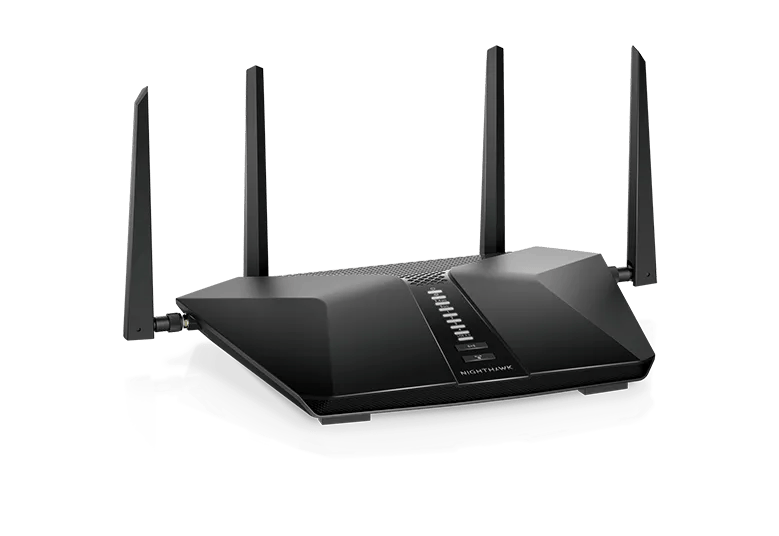
Nighthawk RAX43 AX4200 Wi-Fi 6 Router
NETGEAR's Nighthawk RAX43 at $249.99 is a Wi-Fi 6 router with a published 574 Mbps at 2.4 GHz and 3603 Mbps at 5 GHz and four gigabit LAN ports, which addresses a stream that stalls in a way no television can.
Before you buy: The speed figures are theoretical peaks per band, NETGEAR gives coverage only as a description, and NETGEAR Armor costs $99.99 a year after the included period. It is the right test for buffering and the wrong purchase for anything else on this list.
Price checked October 4, 2026. Retailer prices can change.Go 5 Portable Speaker
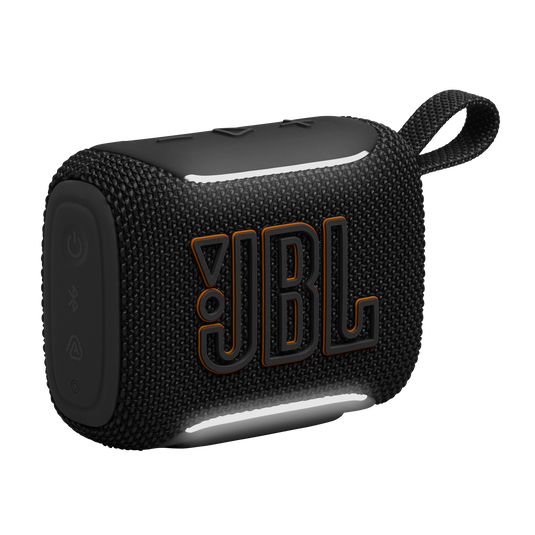
JBL's Go 5 at $44.95 is a 230 g Bluetooth speaker with an eight-hour playback claim, and its role here is as a cheap test: if a small external speaker makes dialogue clearer, the TV's speakers were the problem and a soundbar is the answer, not a new screen.
Before you buy: It is a portable speaker, not a home theater component, and our review of it treats it as close-range listening. Use it to diagnose, then buy the speaker the room actually needs.
Price checked September 10, 2026. Retailer prices can change.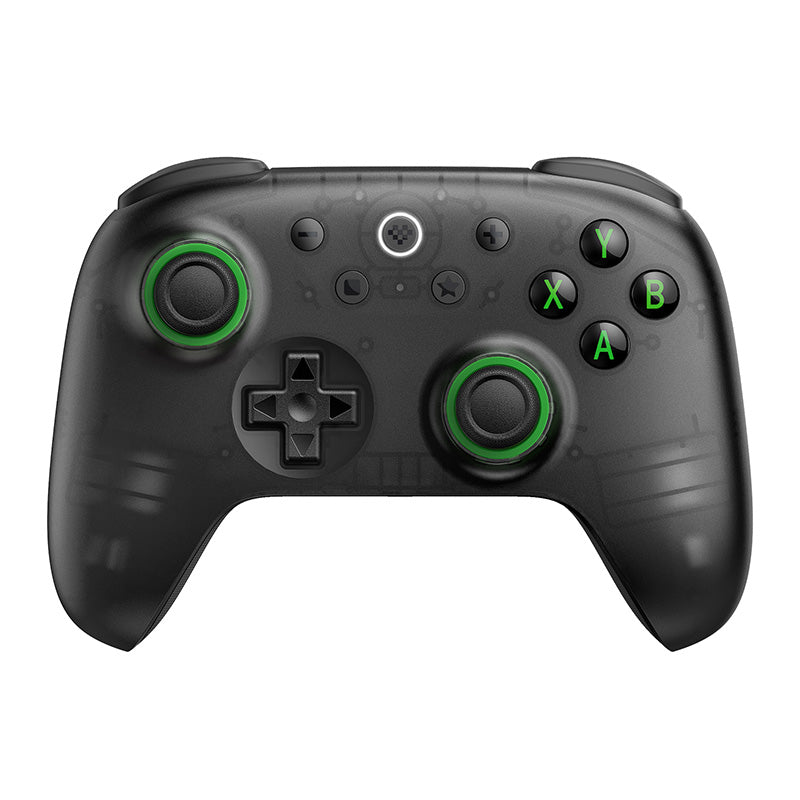
8BitDo Ultimate 2C Wireless Controller
8BitDo's Ultimate 2C Wireless at $29.99 publishes a 1000 Hz polling rate on its 2.4 GHz adapter and wired connections against Bluetooth for Android, which is the kind of figure that separates input lag from display lag before a television gets blamed.
Before you buy: Its compatibility list names Windows and Android only; it is not listed for Switch, Xbox or PlayStation. The polling figures are 8BitDo's laboratory numbers.
Price checked September 11, 2026. Retailer prices can change.Everything is experienced through the TV, so the TV gets blamed
A stalled stream, a muffled line of dialogue and a button press that lands late are three different failures in three different devices, and all three are watched on the same screen. That is why a television is the first thing a household thinks to replace, and why the replacement so often changes nothing: the new panel plays the same stalled stream through the same thin speakers with the same late input.
Isolating the fault is cheaper than the TV in every case. A router answers the network question, an external speaker answers the sound question, and a controller with a published connection rate answers the input question. Each of the three products below is here as that kind of test, chosen from our reviews because its maker publishes the figure that matters, and each says plainly what a new screen would and would not have fixed.
Buffering: the router is the device that decides
NETGEAR's Nighthawk RAX43 costs $249.99 and lists 802.11ax with 574 Mbps at 2.4 GHz and 3603 Mbps at 5 GHz, four gigabit LAN ports and a USB port, with coverage described as medium to large homes and no square-footage figure. Those band figures are theoretical peaks, but the LAN ports are concrete: a television wired to one of them receives whatever the internet connection delivers, with Wi-Fi removed from the chain entirely.
That is the test. A stream that stalls over Wi-Fi and plays cleanly over a cable was a network problem, and the television was never involved. A stream that stalls on both is an internet connection problem, and neither the router nor the TV fixes it. Buying a router to find out is a real cost, and NETGEAR's Armor subscription adds $99.99 a year after the included period if it is kept, so the cheaper first step is the cable alone, with the router as the purchase if Wi-Fi turns out to be the fault.
Thin sound: a small speaker settles whether the panel was ever the issue
JBL's Go 5 is a $44.95 Bluetooth speaker at a published 230 g with an eight-hour playback claim, and our review of it treats it as a close-range portable, which it is. In this guide it plays a different role: as the cheapest way to hear television dialogue through something other than the panel's own drivers. Pair it, play a scene that was hard to follow, and listen.
If the dialogue clears up, the television's speakers were the problem and the purchase that follows is a soundbar or a set of speakers sized to the room, not a screen. If it does not, the fault is in the source's mix or the room, and no speaker purchase fixes it. Either way the test has cost less than fifty dollars and answered the question a new television would have left open. This speaker is not the home theater answer; it is the diagnosis.
Late input: the controller's connection is where lag hides first
8BitDo's Ultimate 2C Wireless is $29.99 and lists three connections, 2.4 GHz through an adapter, wired USB, and Bluetooth for Android, with a 1000 Hz polling rate published for the 2.4 GHz and wired modes as 8BitDo's own laboratory figures. Its compatibility list is Windows and Android, and does not include Switch, Xbox or PlayStation.
The published polling rate is the useful part for a living room. A game that feels late on a Bluetooth controller and sharp on a wired or 2.4 GHz one had an input problem, and the television's processing was not the cause. A game that feels late on every connection may be pointing at the panel, and only then is a television with a lower-latency game mode the right purchase. Check the controller's connection first, because it is the cheaper variable and the one with a number attached.
When the television really is the thing to replace
Skip the three tests when the complaint is about the picture itself: a panel with a dead zone, a screen too small for the room, or a set that lacks the input a new console needs. Those are television problems, and no router, speaker or controller stands in for a new one.
Skip them too when the living room has already been through them. A household with a wired television, an external speaker and a low-latency controller that still finds the experience poor has isolated the panel by elimination, and at that point the purchase is justified. The point of the three tests is to reach that conclusion for less than the price of the screen.
How we put this together
Built from the product pages and listings below, without test scores or results we have not measured. Specifications and prices change, so check the original page for the exact model, current price, delivery, and returns.
- NETGEAR: Nighthawk RAX43 (opens in a new tab)
- JBL: Go 5 (opens in a new tab)
- 8BitDo eShop: Ultimate 2C Wireless (opens in a new tab)